
The 1975 bassist champions healing through sound and action
A journey fueled by purpose
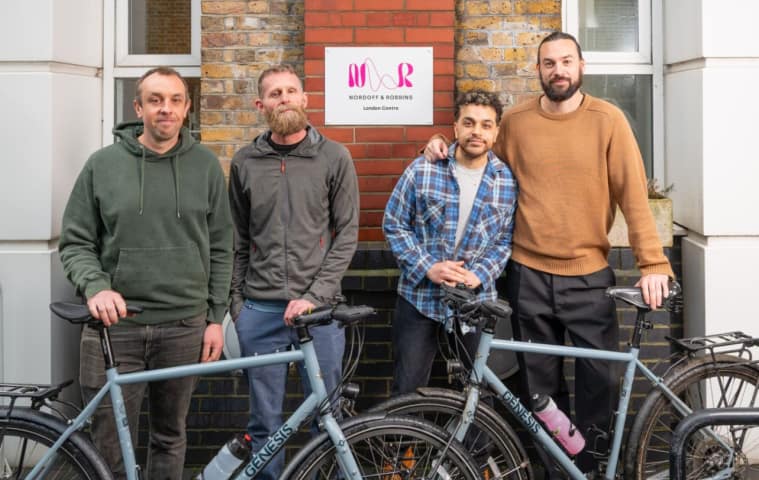
February 24, 2026 – Ross MacDonald, bassist of The 1975, has completed an ambitious 1,000-mile charity bike ride to raise awareness and funds for music therapy programs. Spanning multiple regions across the UK, the journey was designed to spotlight the transformative power of music in mental health care and recovery.

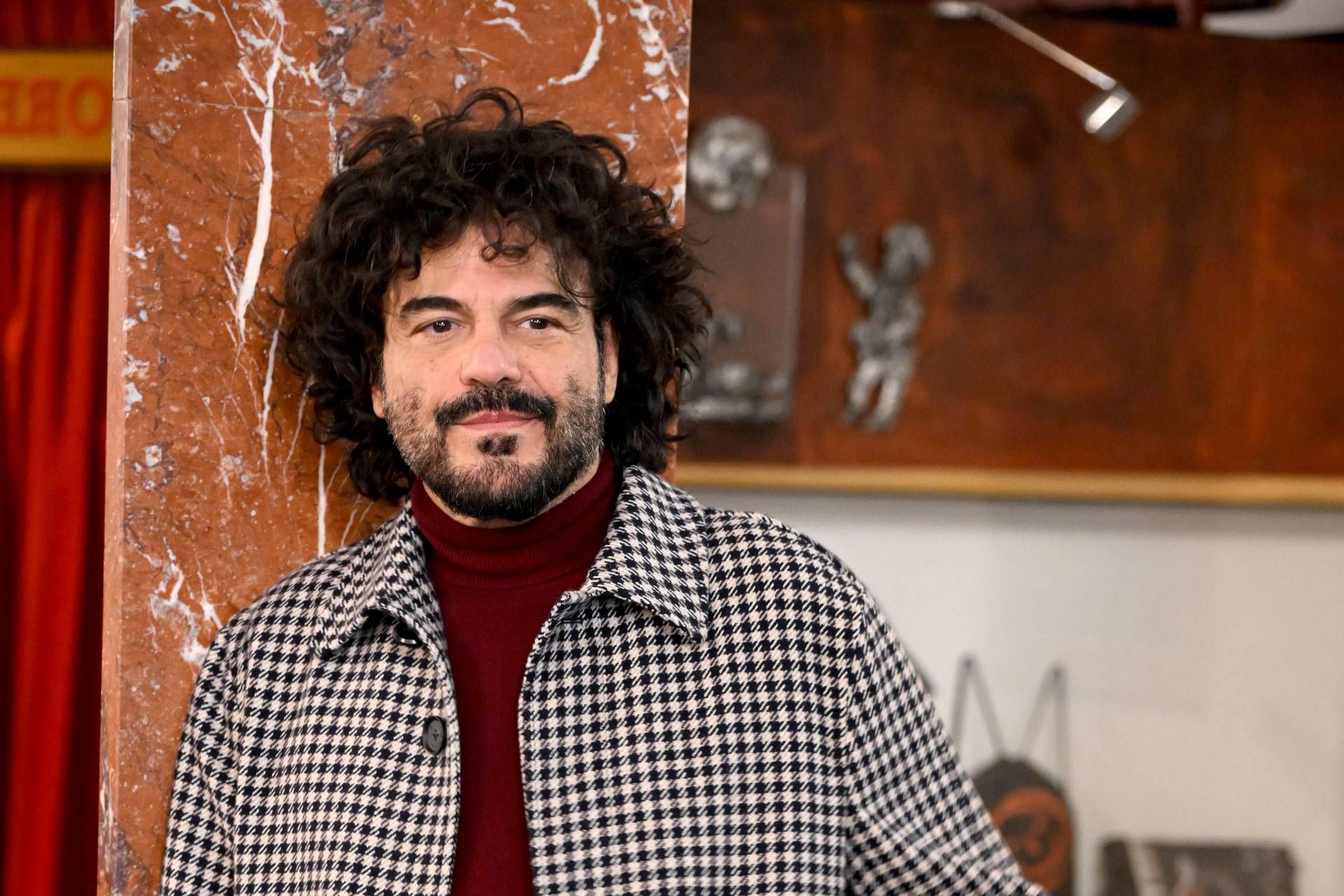
Image Credit: Getty Images
Why music therapy matters
MacDonald has been outspoken about the impact of music therapy, stating that it “changes and saves lives.” His ride supports organizations that use structured musical intervention to help individuals coping with trauma, neurological conditions, and mental health challenges. According to advocates, music therapy offers emotional regulation, communication tools, and measurable clinical benefits.

Image Credit: Jeremy Banks
Support from fans and the industry
Throughout the ride, fans followed MacDonald’s progress online, contributing donations and messages of encouragement. Fellow musicians and mental health advocates also amplified the cause, turning the physical challenge into a wider cultural conversation about accessible, creative healing methods.

Image Credit: Getty Images
Beyond the stage
While best known for his work on global tours and chart-topping albums, MacDonald’s charity effort reflects a growing movement among artists to use their platforms for tangible change. The ride underscored a belief that music’s value extends far beyond entertainment — into wellness, survival, and hope.

Image Credit: Getty Images
Final thoughts
Ross MacDonald’s 1,000-mile ride is more than a feat of endurance; it’s a statement about compassion in action. By aligning physical effort with emotional healing, he’s reminding audiences that music therapy isn’t a luxury — it’s a lifeline.
FAQs
Q1: How far did Ross MacDonald cycle?
He completed a 1,000-mile charity bike ride.
Q2: What cause was he supporting?
Music therapy programs focused on mental health and recovery.
Q3: Why is music therapy important to him?
He believes it can change and save lives.
Q4: Did fans support the initiative?
Yes, fans actively donated and shared the cause online.
Q5: Is this part of a larger advocacy effort?
Yes, it aligns with ongoing efforts to promote mental health awareness through music.