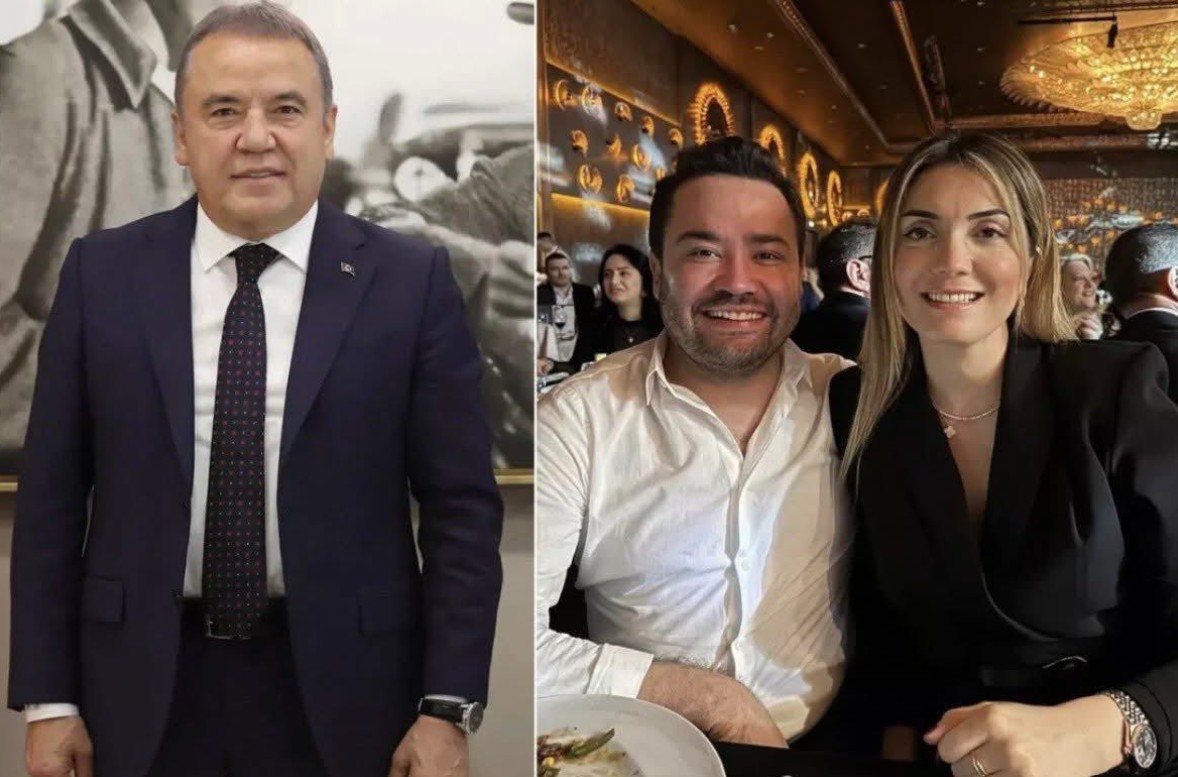
Muhittin Böcek Video and A City in Suspense

Antalya, the “pearl of the Mediterranean,” is known for its azure waters and ancient ruins. However, since mid-2025, the city’s political landscape has been defined by a different, darker narrative. Muhittin Böcek, the once-powerful Metropolitan Mayor, has moved from the corridors of power to the confines of a high-security prison cell. As the calendar turns toward May 4, 2026, the eyes of the nation are fixed on the upcoming second hearing of a trial that has become much more than a simple corruption case.
The arrest of Böcek on July 5, 2025, sent shockwaves through Turkey. It wasn’t just the arrest of a politician; it was the suspension of a man who represented a significant political mandate. Today, as the hearing approaches, the case has mutated into a complex saga involving high-stakes legal battles, viral social media scandals, and a mounting humanitarian crisis regarding the defendant’s health.
The Legal Battle and Video
The foundation of the state’s case against Muhittin Böcek rests on an extensive investigation into municipal tenders and urban development projects. The “Corruption and Bribery Operation” of 2025 was not an overnight event but the culmination of months of surveillance and financial auditing.
Muhittin Böcek Full Video
The Allegations:
Prosecutors allege that during his tenure, Mayor Böcek orchestrated a system of “preferential treatment” for certain construction firms. The core of the indictment suggests that multi-million dollar contracts for infrastructure and zoning changes were not awarded based on public merit, but through backroom deals involving kickbacks and illicit financial transfers.
The Upcoming Hearing (May 4):
This second hearing is critical. While the first hearing established the formal charges, the upcoming session is expected to feature the testimony of key whistleblowers and the presentation of digital evidence—reportedly including encrypted messages and bank records. For Böcek, this is a fight for his life; his defense team has spent months preparing a counter-narrative, claiming that the “evidence” is a collection of administrative procedures misinterpreted as criminal acts. They maintain that every signature was in the interest of Antalya’s growth, not personal enrichment.
The “Court of Public Opinion” on X
In the digital age, a trial does not only happen in the courtroom. On platforms like X (formerly Twitter), the name “Muhittin Böcek” has become a battleground. In the week leading up to the May 4 hearing, the Mayor’s name surged to the top of trending lists, but not for the reasons his legal team would have hoped.
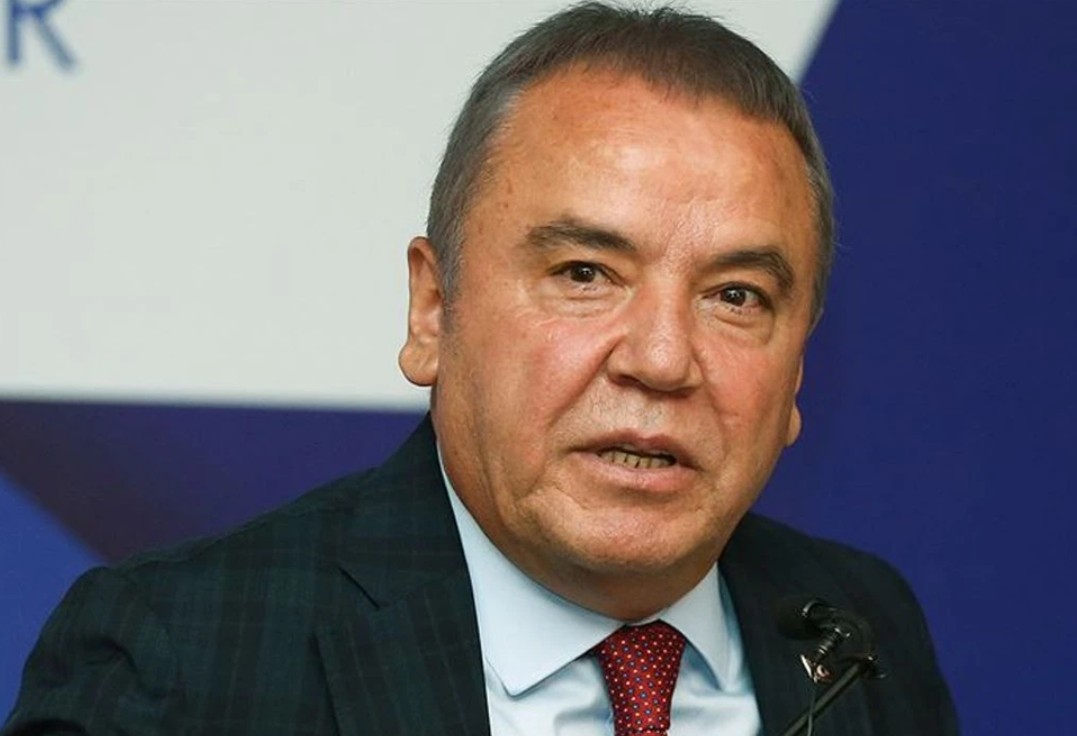
The “Heavy Accusations”:
The discourse took a sharp turn toward the personal. Viral videos and anonymous “leaks” began circulating, targeting not only the Mayor but also his detained son, Gökhan Böcek. These accusations move beyond financial crimes, touching upon alleged family improprieties and moral conduct. These claims, though unverified in a legal sense, have had a devastating impact on public perception.
A Divided Public:
The reaction on social media highlights a deeply polarized society:
The Skeptics: Many users argue that these personal attacks are a classic “character assassination” campaign. They point to the timing—just days before a crucial court date—as proof that the accusations are designed to strip Böcek of public sympathy.
The Accusers: Conversely, another faction of the digital public views these leaks as the “true face” of a corrupt administration. For them, the personal scandals provide a context for the alleged financial misconduct, suggesting a systemic lack of ethics.
This digital firestorm puts immense pressure on the judiciary. In an era where “cancel culture” can influence political outcomes, the court must navigate the noise of social media while upholding the principles of a fair trial.
Health Concerns: The Human Cost of Solitary Confinement
Beyond the legal briefs and viral hashtags lies a grim human reality. Muhittin Böcek is currently being held in a single-occupancy cell at the Döşemealtı High-Security Prison. For a man who has already faced significant health challenges in the past—most notably a life-threatening battle with COVID-19—the rigors of prison life are proving catastrophic.
The Medical Regimen:
Reports from his legal and medical team indicate that Böcek is now on a regimen of 22 different medications per day. These drugs treat a variety of ailments, ranging from chronic respiratory issues to high blood pressure and stress-related conditions. The Mayor has reportedly been hospitalized multiple times since his detention began, often under heavy guard.
The Solitary Factor:
Staying in a “tek kişilik koğuş” (single-occupancy cell) is designed for security, but its psychological and physical toll cannot be understated. Supporters argue that his continued detention in such conditions, given his fragile health, borders on a violation of human rights. They argue that he should be allowed to await trial under house arrest, where he can receive specialized medical care. The prosecution, however, continues to argue that his detention is necessary due to the gravity of the crimes and the risk of witness intimidation.
Political Implications for Antalya and Beyond
The “Böcek Case” is not happening in a vacuum. Antalya is one of Turkey’s most economically vital cities. The suspension of its elected leader has created an administrative vacuum that affects everything from tourism policy to local infrastructure projects.
Politically, the case is a litmus test for the independence of the judiciary and the resilience of local governance. If the court finds Böcek guilty, it will be a major blow to his political party and a warning to other local administrations. If he is acquitted, it will likely be framed as a massive failure of the state and a vindication of those who claim the case was politically motivated from the start.
The Verdict of History
As May 4, 2026, approaches, Muhittin Böcek prepares to step into the courtroom for the second time. He does so as a man under siege—facing the weight of state prosecution, the sting of personal scandal, and the frailty of his own body.
The trial of Muhittin Böcek is more than just a legal proceeding; it is a reflection of the tensions within modern Turkey. It is a story about the intersection of power, the volatility of digital information, and the basic human right to health and a fair defense. Whether he is remembered as a victim of a political conspiracy or a symbol of administrative corruption will be determined not just by the judge on May 4, but by the legacy he leaves behind in the streets of Antalya and the archives of the internet.
For now, the city waits. The “pearl of the Mediterranean” remains in suspense, waiting to see if its former leader will find a path to redemption or be permanently consumed by the storm of controversy that has surrounded him.
News –