In recent years, social media has become a powerful engine for viral trends, some entertaining and harmless, others deeply concerning. Among the more troubling phenomena to emerge is the rise of fake UPS driver videos and staged fake UPS delivery scenarios. These videos often show individuals impersonating UPS delivery drivers, wearing brown uniforms, carrying packages, and approaching homes under false pretenses. While some creators frame these acts as pranks or social experiments, the consequences extend far beyond online entertainment, raising serious questions about safety, legality, and public trust.

The Fake UPS Driver Video
A fake UPS driver video typically involves a person pretending to be an official United Parcel Service (UPS) employee. These impersonators often dress in brown clothing similar to UPS uniforms, carry boxes with UPS logos, and sometimes even use delivery vans designed to resemble legitimate vehicles. The videos are filmed as the individual approaches homes, knocks on doors, requests signatures, or interacts with unsuspecting residents.
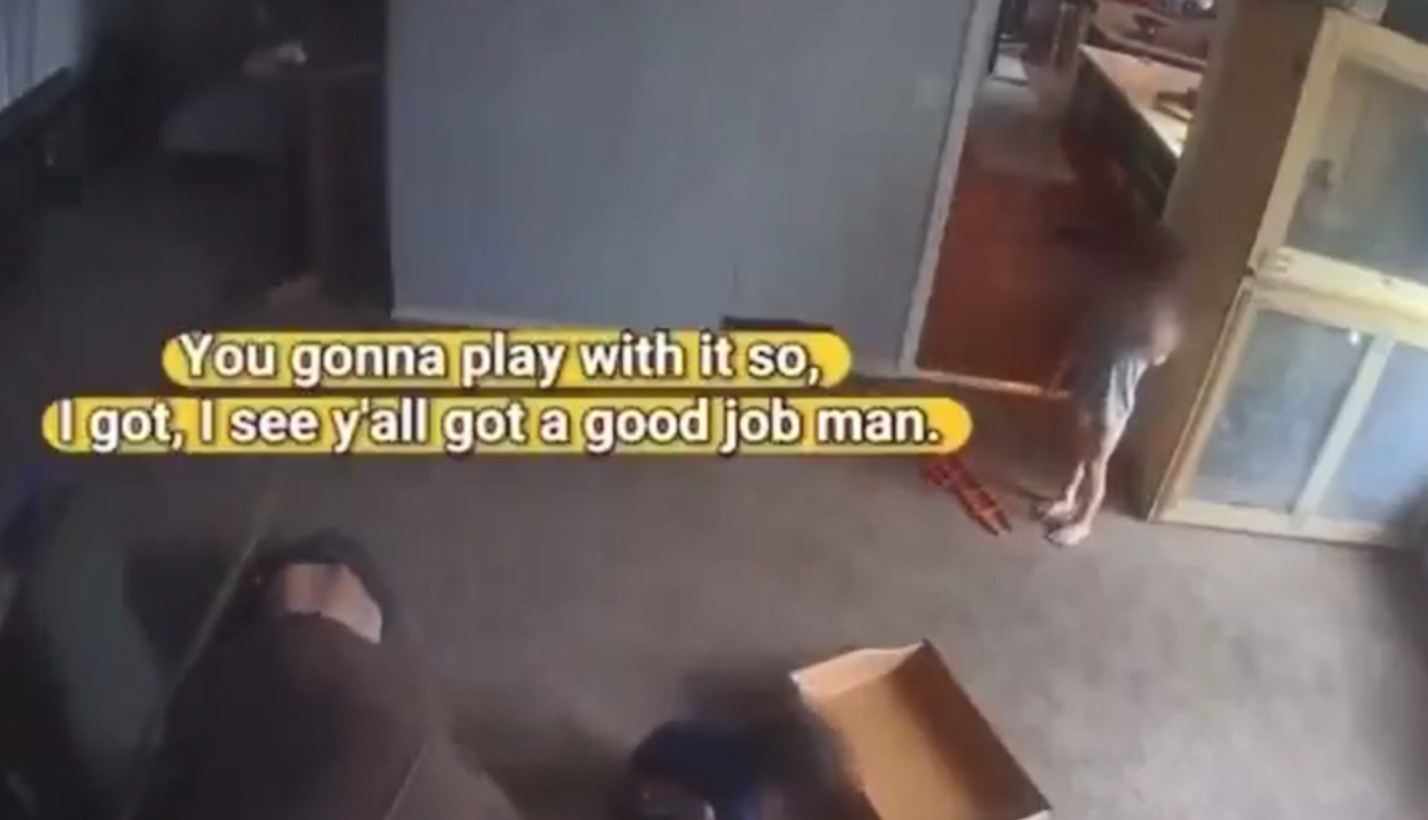
Uncensored video shows the scene of a fake driver breaking into a house
fake-ups-driver-video.mp4
Although some videos are staged with consenting participants, many involve real homeowners who believe they are receiving a legitimate delivery. This blurring of reality and performance makes the trend especially dangerous, as viewers may underestimate the risks involved.
The Rise and Spread of Fake UPS Delivery Content
Fake UPS delivery videos began appearing sporadically on short-form video platforms such as TikTok, YouTube Shorts, Facebook Reels, and X. What started as isolated prank content quickly evolved into a broader trend, fueled by algorithm-driven visibility and the promise of viral success.
Creators often use misleading titles like “Craziest UPS delivery ever” or “UPS driver caught on camera” to attract clicks. As engagement increases, copycat videos appear, each attempting to escalate the shock value. In some cases, impersonators push boundaries by entering private property, opening gates, or filming inside residential areas without consent.
Common Scenarios Shown in Fake UPS Driver Videos
Most fake UPS delivery videos follow similar patterns. The impersonator arrives at a home carrying a package and knocks on the door. Some ask residents to sign for a delivery, while others pretend there is an issue with the shipment. In certain videos, the individual records the homeowner’s confusion, fear, or frustration for comedic effect.
More concerning are videos where impersonators linger around properties, peek inside garages, or attempt to gain entry. While framed as pranks, these behaviors closely resemble tactics used in real-world scams and burglaries.
Why Do People Create Fake UPS Driver Videos?
The motivations behind fake UPS driver videos vary. For many content creators, the primary goal is attention. Viral videos can generate views, followers, advertising revenue, and sponsorship opportunities. The recognizable UPS brand adds instant credibility and curiosity, making the content more clickable.
In other cases, the motivation may be more sinister. Criminals have long impersonated delivery workers to gather information, scout homes, or commit theft. Fake UPS delivery videos can normalize this behavior, making it harder for the public to distinguish between harmless pranks and genuine threats.
Legal and Ethical Implications
Impersonating a UPS driver is not merely unethical it can be illegal. Many jurisdictions have laws against impersonating employees of private companies, especially when it involves deception, trespassing, or intent to defraud. Using UPS logos, uniforms, or branded materials without authorization may also violate trademark laws.
Ethically, filming unsuspecting individuals without consent raises serious concerns. Homeowners may feel violated, embarrassed, or frightened when they discover they were unknowingly recorded and posted online for entertainment.
UPS Company Response
UPS has repeatedly warned customers about impersonation scams and fake delivery attempts. The company emphasizes that legitimate UPS drivers carry official identification, follow specific delivery procedures, and do not request personal or financial information at the door.
UPS encourages customers to use official tracking tools and mobile notifications to verify deliveries. The company also cooperates with law enforcement when impersonation cases arise, particularly those involving theft or safety risks.
Risks to the Public
The dangers posed by fake UPS driver videos are not hypothetical. Homeowners may open doors to strangers believing them to be legitimate workers, exposing themselves to potential harm. Elderly individuals, people living alone, and those unfamiliar with delivery procedures are especially vulnerable.
Additionally, these videos contribute to growing distrust. Real UPS drivers may face suspicion, hostility, or even confrontation from residents who fear scams. This erosion of trust can lead to dangerous misunderstandings, particularly in communities already on edge.
How to Identify a Fake UPS Delivery
There are several ways to recognize a fake UPS delivery. Legitimate UPS drivers typically wear standardized uniforms with visible identification badges. They do not demand immediate access to homes or ask for sensitive information.
Customers should rely on official tracking numbers and delivery notifications rather than unexpected door knocks. Suspicious behavior such as poor-quality uniforms, unmarked vehicles, or inconsistent explanations should raise red flags.
The Role of Social Media Platforms
Social media platforms play a critical role in amplifying fake UPS driver videos. While many platforms have policies against impersonation and harmful pranks, enforcement can be inconsistent. Content often spreads faster than moderation systems can respond.
Platforms face the challenge of distinguishing between staged content and real-world deception. However, greater accountability, clearer labeling, and faster response to reports could help reduce harm.
Public Reaction and Online Debate
Public opinion on fake UPS delivery videos is deeply divided. Some viewers see them as harmless pranks, praising creativity and humor. Others express outrage, pointing out the fear and danger inflicted on innocent people.
Victims of impersonation have shared stories of anxiety and loss of trust, calling for stricter penalties and better public awareness. These debates highlight a broader cultural shift, questioning whether viral content has gone too far.
A Broader Trend of Impersonation Scams
Fake UPS driver videos are part of a wider pattern of impersonation scams involving police officers, utility workers, and maintenance staff. Uniforms and authority symbols create instant trust, making them powerful tools for deception.
Psychologically, people are conditioned to comply with perceived authority figures. This makes impersonation especially effective and dangerous when normalized through viral content.
Prevention and Awareness
Preventing harm starts with awareness. Homeowners should verify deliveries, use doorbell cameras responsibly, and communicate with neighbors about suspicious activity. Content creators must recognize ethical boundaries and understand that not all “pranks” are harmless.
Communities and platforms alike have a responsibility to discourage behavior that puts others at risk. Education, transparency, and accountability are key to addressing this growing issue.
Fake UPS driver videos and fake UPS deliveries may seem like fleeting internet trends, but their impact is real and lasting. By exploiting trust in familiar brands and everyday routines, these videos blur the line between entertainment and danger.
As digital culture continues to evolve, so must our understanding of responsibility both online and offline. Recognizing the risks, enforcing boundaries, and prioritizing safety over virality are essential steps toward protecting individuals and restoring trust in an increasingly connected world.
Daily Hot News –