
“This [legislation] is not about targeting farmers, it’s not about competitive shooters, it’s not about law-abiding firearm owners,” Albanese said.
“State governments control licenses … state governments control gun limits. This legislation does not interfere with those arrangements.”
The firearms legislation passed with 96 votes for and 45 against, with no amendments. The Coalition opposed the bill, as did independent MPs Andrew Gee, Rebekha Sharkie, Bob Katter and Dai Le, and One Nation MP Barnaby Joyce. Labor MPs voted in favour, with teal independents and regional independent Helen Haines. It will be voted on in the Senate at about 6.30pm.
The government requires support from either the Liberals or the Greens to pass its bills in the Senate. The Greens have committed to backing the gun laws, and while the Liberals engaged with the government over potential amendments to the bill, the prime minister refused to budge and the Coalition voted against the changes as a bloc.
Two days after the Bondi terror attack, on December 16, former Liberal Prime Minister John Howard entered the political debate as he denounced Labor’s push to reform gun laws as a “big attempt at diversion”.
“I do not want this debate … the focus on guns, to be used as a pretext to avoid the broader debate about the spread of hatred of Jewish people and antisemitism,” Howard said.
Loading
Shadow attorney-general Andrew Wallace told parliament on Tuesday the Coalition opposed the “fundamentally flawed” gun reform and claimed the government was showing contempt for law-abiding firearm owners.
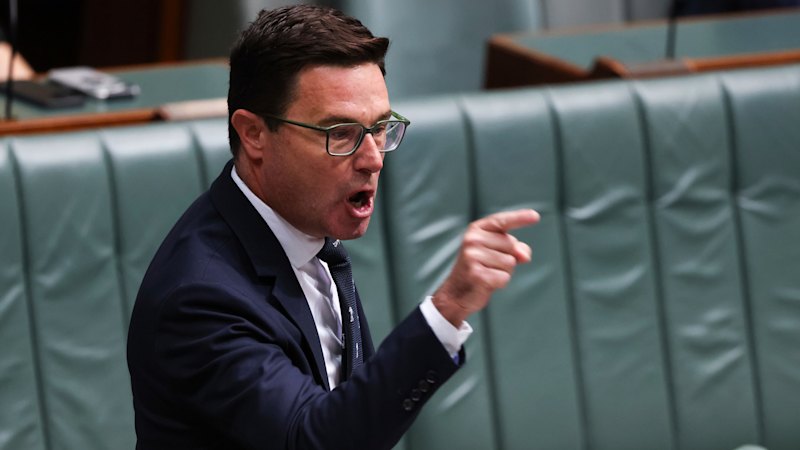
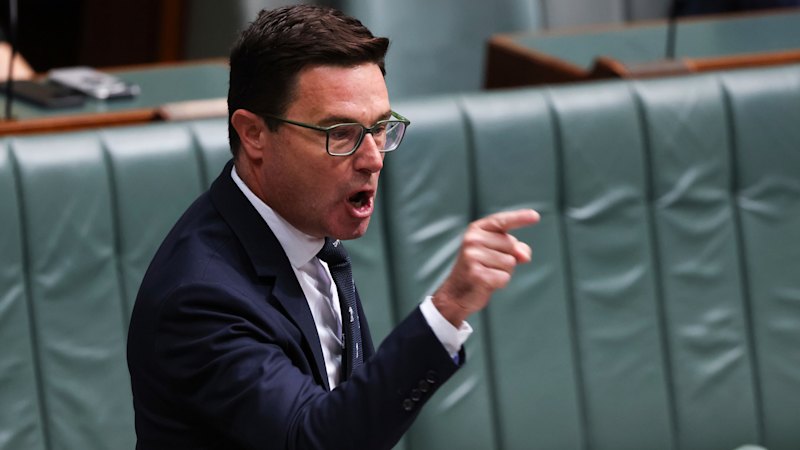
Nationals leader David Littleproud said the restrictions were an unnecessary distraction from tackling antisemitism.
He told parliament on Tuesday that the gun bill was a “cheap political diversion”.
“We do not have a gun problem, we have a radical Islam problem,” the Nationals leader said.
Littleproud had campaigned against tighter controls soon after the Bondi massacre and pre-empted his senior Coalition partners in the Liberal Party, as he did on the Voice to parliament referendum and Australia’s legislation of a net zero emissions target.
What are the new gun control and hate crime changes?
Gun laws
- Enhanced background checks for people with gun licenses, greater information sharing between security agencies.
- Tougher “fit and proper” tests for people applying for a gun licence.
- Imports of guns to be limited to Australian citizens, and greater restrictions on the type of guns able to be imported.
- The establishment of a national gun buyback scheme.
Hate crime laws
- Powers to designate organisations as “hate groups”, which would mean members and donors could be jailed. The government said the law was aimed at targeting neo-Nazi groups and radical Islamist groups.
- More powers for a minister to cancel or refuse a visa if a person has spread hateful or extremist views.
- Creating new aggravated offences for religious or spiritual leaders who advocate violence and penalising religious leaders who preach hate to children.
A Resolve Political Monitor poll, conducted for this masthead, this week found the number of voters who want to toughen gun laws dropped 10 percentage points from 76 per cent to 66 per cent in a few weeks, as both One Nation and the Nationals took strong stances opposing change.
Loading
But support remained strong for restricting gun licences (73 per cent), limiting the number of guns an individual can own (81 per cent), tougher regulation on high-powered guns (84 per cent), placing time limits on license (82 per cent) and creating a national database so they can be tracked (86 per cent).
More to come
Cut through the noise of federal politics with news, views and expert analysis. Subscribers can sign up to our weekly Inside Politics newsletter.