Trump threatens world-leading forecasting and climate research centre

NCAR scientists also developed GPS dropsondes, instruments that are dropped from aircraft to gather crucial data about a cyclone’s strength and centre. This data became pivotal for the computer models used to predict hurricane paths today.
Loading
The centre’s research has often proved useful in unexpected places, such as when its studies of downdrafts in the lower atmosphere in the 1970s and 1980s led to the development of wind shear detection systems around airports that helped address the cause of hundreds of aviation accidents during that era. Those systems still protect planes today.
The lab is operated by the University Corporation for Atmospheric Research, a nonprofit consortium of more than 100 universities, but the vast majority of its funding comes from the federal government, including through hundreds of millions of dollars in grants from the National Science Foundation.
Scientists said dismantling the centre’s climate research would do irreparable damage to cutting-edge meteorology and advances in weather forecasting.
“It’s the beating heart of our field,” Kim Cobb, a climate scientist and the director of the Institute at Brown for Environment and Society, wrote in a post on Bluesky. “Generations of scientists have trained there, and almost everyone I know relies on deep collaborations with NCAR scientists.”
Katharine Hayhoe, a climate scientist at Texas Tech University, wrote on social platform X that the institution is “quite literally our global mothership”. She said nearly everyone who researches climate and weather around the world has worked at or with NCAR.
It “supports the scientists who fly into hurricanes, the meteorologists who develop new radar technology, the physicists who envision and code new weather models, and yes — the largest community climate model in the world,” she wrote, adding, “Dismantling NCAR is like taking a sledgehammer to the keystone holding up our scientific understanding of the planet.”
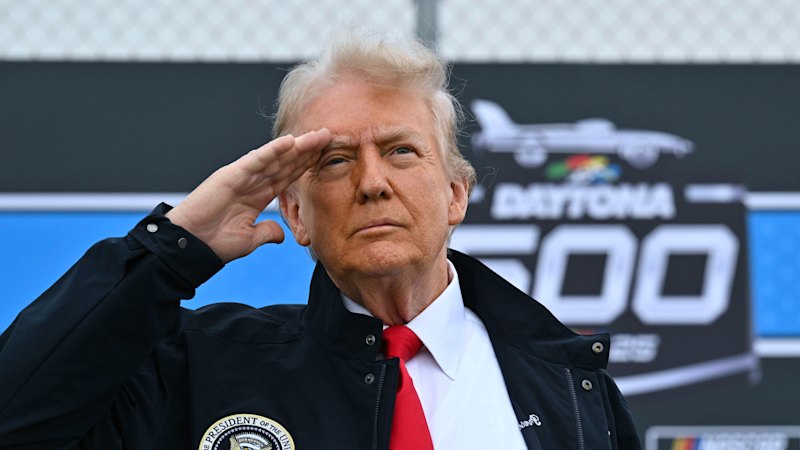
President Donald Trump routinely mocks climate change as a hoax, and his administration has labelled virtually all efforts to study climate change, reduce the level of dangerous greenhouse gases in the atmosphere or protect communities from the impacts of global warming as “alarmism.”
The administration said the centre had supported what it called frivolous and ideological issues, such as research on how to protect wind turbines from hurricanes and a project to incorporate Indigenous knowledge into studies of how climate change would affect coastal communities.
Yet experts said much of the centre’s activities focused on basic atmospheric science that had little to do with political debates over climate change.
Loading
“If you asked me where you’d find the most politicised elements of climate research, NCAR would be way down that list,” said Roger Pielke Jr, a political scientist at the conservative American Enterprise Institute who has often criticised climate researchers elsewhere for engaging in activism.
“A lot of what NCAR does is atmospheric science beyond climate change, like improving short-term weather forecasts,” added Pielke, who worked at the centre early in his career. “Destroying it makes no sense.”
Putting the facility on the chopping block would also be an economic blow to Colorado. Trump has feuded with Governor Jared Polis, a Democrat, in recent days, calling him a “weak and pathetic man” and accusing the governor with no evidence of being “run” by Venezuelan gang members.
The dispute stems from the case of a former state election official in Colorado, Tina Peters, who was convicted of multiple felonies after she gave Trump’s supporters unauthorised access to voting machines after the 2020 presidential election. Trump has pardoned Peters, but Colorado officials have countered that presidential pardons do not apply to state crimes.
A senior White House official, who declined to be identified, said in response to the announcement that Colorado constituents would be better served if Polis wanted to work with the president.
Polis said in a statement that the federal government had yet to inform the state of its plans. “If true, public safety is at risk, and science is being attacked,” he said.
This article originally appeared in The New York Times.
Get to the heart of what’s happening with climate change and the environment. Sign up for our fortnightly Environment newsletter.