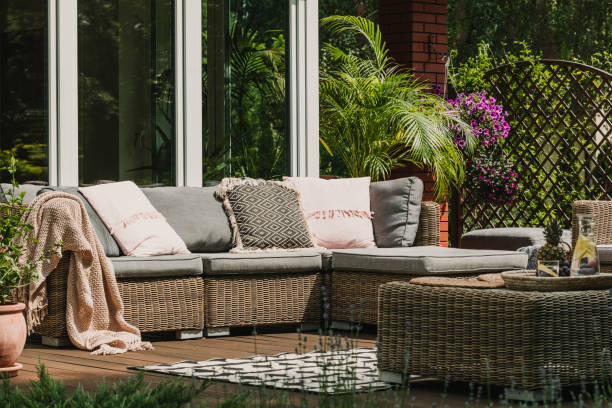

Starting a new backyard project feels like opening a blank sketchbook. You have plenty of space and endless possibilities for what the ground could look like. It is the perfect time to think about how you want to spend your summer evenings or weekend mornings.
A well-designed area does more than just hold a table and some chairs. It acts as an extension of your indoor life while letting you breathe in the fresh air. Planning the layout carefully helps you avoid common mistakes that make a space feel cramped or awkward.
Defining Your Primary Outdoor Purpose
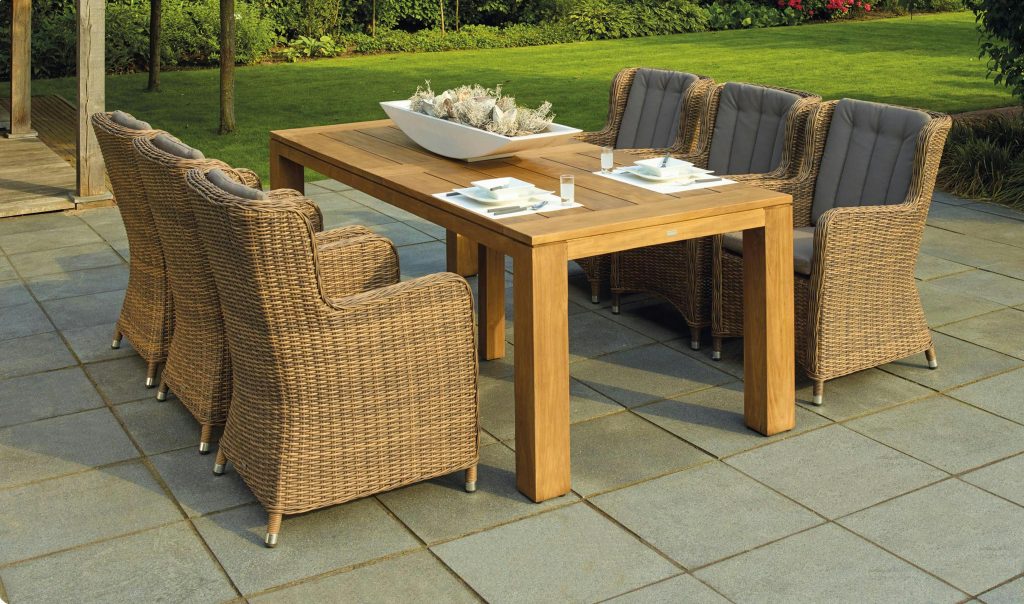
Before you pick out any stones or furniture, you must decide how you will use the space. Some people want a quiet corner for reading and sipping coffee. Others need a massive zone for hosting neighborhood barbecues and birthday parties.
Having a clear vision for your daily habits ensures the final result fits your lifestyle. If you enjoy late-night gatherings, you might consider smart pergola systems for modern outdoor living to provide comfort and style. These structures allow you to control the environment regardless of the weather.
Think about the flow of traffic from your back door to the seating area. You want a path that feels natural and does not require stepping over furniture. Keeping the entrance clear makes the transition between inside and out feel much smoother.
Choosing The Right Location For Sun And Shade
The position of your house determines where the sun hits at different times of the day. A spot that feels great at 10 AM might be scorching by 4 PM. Mapping out the shadows helps you decide where to put the dining table versus the lounge chairs.
Privacy is another big factor when choosing a spot. You might want to tuck the patio away from the street or the neighbors’ windows. Using natural borders like tall hedges or wooden screens can create a secluded feeling.
Wind patterns matter when you are planning a fire pit or a grill station. You do not want smoke blowing directly into your living room windows.
Exploring Modern Layout Trends
Recent design shifts focus on making the outdoors feel like a part of the architecture. A popular trend involves biophilic design, which aims to link people more closely to the natural world.
Building different levels can add a lot of visual interest to a flat yard. You can have one tier for cooking and another lower tier for sitting around a fire. Steps provide extra places for guests to sit during large gatherings.
Small yards benefit from diagonal patterns or long planks that trick the eye into seeing more space. Keeping the colors light helps an area feel open and airy. Darker stones create a cozy and intimate vibe, but can get very hot in direct sunlight.
Meeting The Surge In Demand For Space
Homeowners are spending more time in their backyards than ever before. Research shows that the demand for outdoor spaces has grown by 50% since 2020 as people look for ways to expand their living environments. This shift has turned simple pads of concrete into complex multi-use rooms.
Creating a “destination” at the far end of the yard is a great way to use the whole property. A small stone path leading to a hidden bench makes the garden feel larger.
Storage is an often-overlooked part of the design process. You need a place to put cushions, garden tools, and grill accessories when they are not in use. Built-in benches with hollow centers are a clever way to hide clutter.
Selecting Durable And Stylish Materials
Natural stone offers a timeless look that ages beautifully over many years. Flagstone and slate provide unique textures that you cannot get with manufactured products. These materials stay cool and offer a grip that prevents slipping when the ground is wet.
Pavers are a great choice for those who want a clean and symmetrical look. They come in many colors and are very easy to replace if one happens to crack.
- Pick a material that matches the color of your home exterior.
- Use contrasting borders to define the edges of the patio.
- Consider permeable options to help with rainwater runoff.
- Check the maintenance requirements for sealants and cleaning.
Creating Distinct Functional Zones
Instead of one giant rectangle, try breaking the patio into smaller “rooms” for different tasks. You can use an outdoor rug to define the lounging area and a different stone texture for the dining spot. This makes a large space feel more organized and inviting.
A dedicated cooking zone should be close to the kitchen door for easy trips back and forth. You want enough counter space to prep food without feeling cramped.
Low walls or planters can act as physical dividers without blocking the view. They provide extra seating when you have a lot of people over. Adding a few potted trees creates a sense of height and vertical interest.
Incorporating Lighting For Safety And Mood
Lighting is what transforms a patio from a daytime spot into a nighttime retreat. You should use a mix of different light sources to create a layered effect. String lights are great for a festive mood, while path lights keep everyone from tripping.
Solar-powered options are easier to install because they do not require any wiring. They gather energy during the day and turn on automatically when the sun goes down. Placing them near steps and edges is a smart move for safety.
Dimmers allow you to change the vibe depending on the occasion. Bright lights are better for cooking and eating, while soft glows are perfect for relaxing.
Adding Personalized Creative Touches
Water features bring a calming sound that can mask neighborhood noise. A simple bubbling fountain or a small pond adds a focal point to the design. It attracts birds and butterflies to your yard throughout the spring.
Art is not just for the inside of your house. Weatherproof sculptures or decorative wall panels can show off your personality. Even a colorful set of outdoor pillows can change the whole look of the space without a big investment.
Vertical gardens are perfect for people with limited ground space. You can grow herbs or flowers on a trellis or a hanging wall system. This keeps your fresh ingredients close to the grill and adds a lush green backdrop.
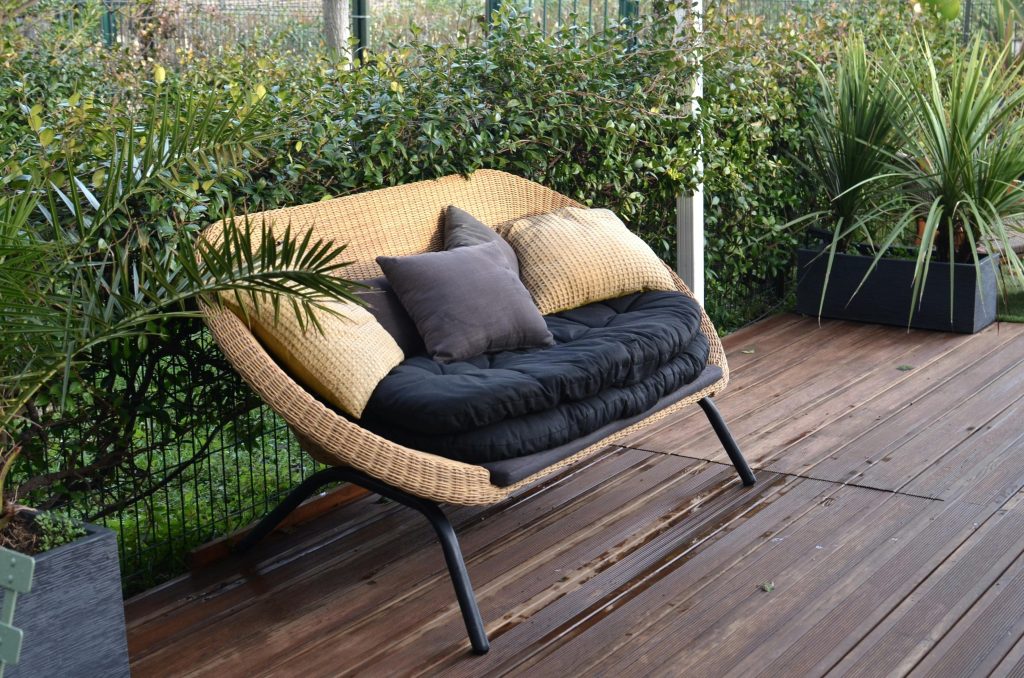
Designing the perfect patio is a journey that starts with understanding your own needs. Once you know how you want to live outside, the material choices and layout patterns fall into place.
Take your time with the planning phase to avoid rushing into a design you might regret. A little bit of creativity and some careful thought will result in a space you enjoy for decades.
Published by HOLR Magazine.