
When you find it hard to catch your breath, the world can feel like it is closing in. This sensation is often scary, but there are many ways to handle it safely. Understanding your body and having a plan helps you stay calm. Whether you deal with a long-term condition or a sudden change, knowing the right steps makes a big difference. This guide offers practical advice for managing breathing issues and staying healthy.
Immediate Steps for Breathlessness
The way you position your body can change how much air you get. If you feel short of breath, try leaning forward slightly while sitting. Rest your elbows on your knees or a table to help your chest expand. This takes the pressure off your lungs and lets your diaphragm move more freely.
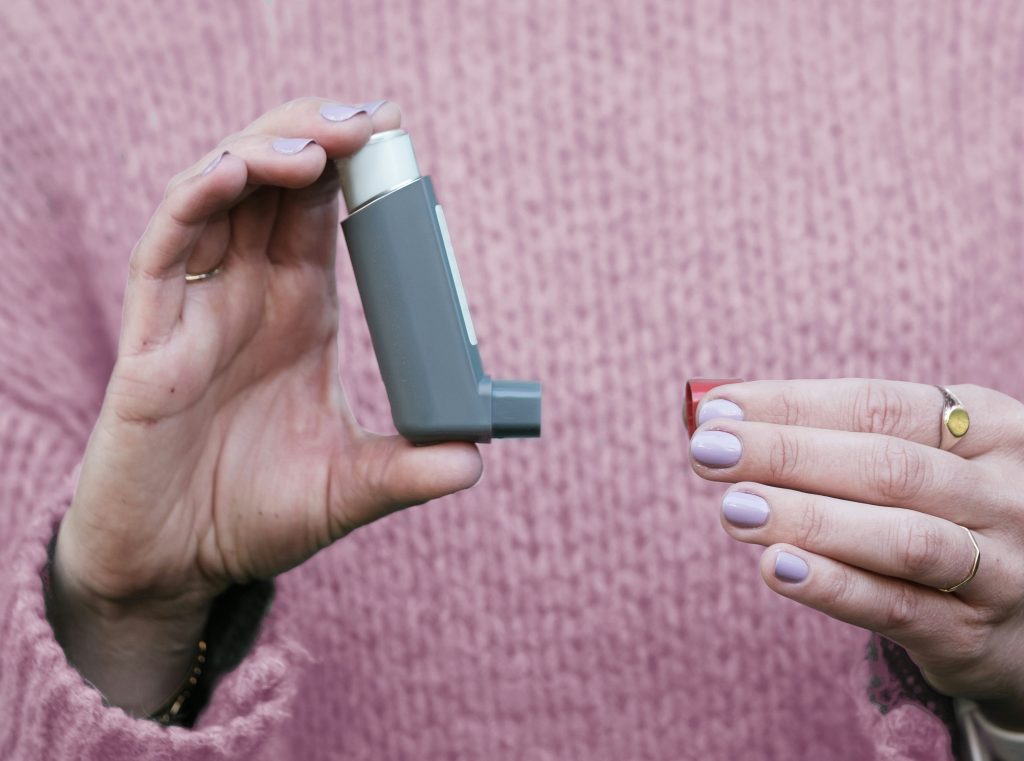
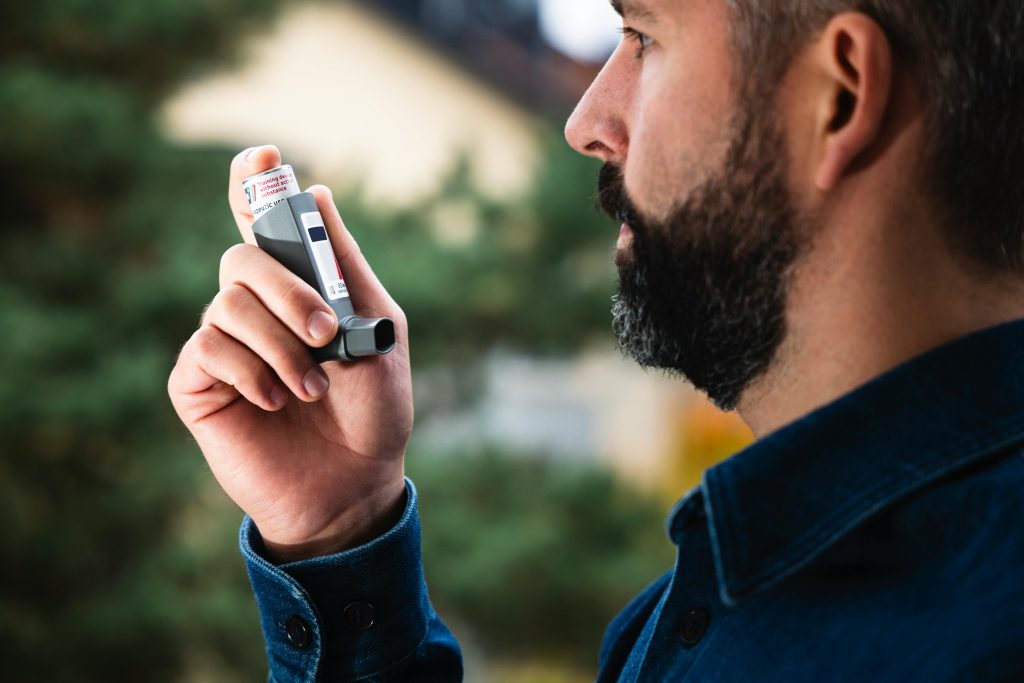
You might find that your chest feels tight during these moments. If you have asthma, you might need to Buy Salamol Inhaler to help open your airways quickly. It is vital to keep your medication close by at all times. Having a clear plan from your doctor ensures you know exactly when to use it.
Techniques to Calm Your Breathing
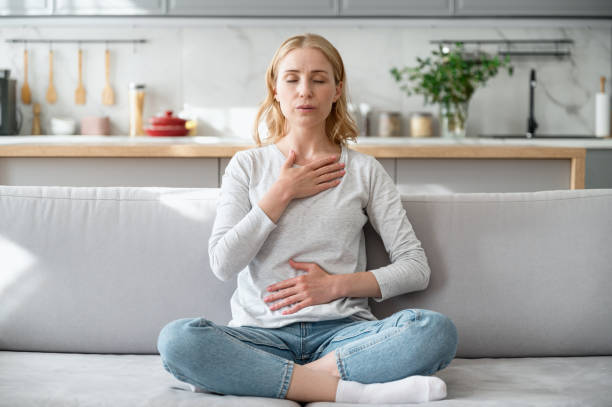
Focusing on your rhythm is a powerful way to regain control. Many people naturally panic when they cannot breathe, which leads to shallow, fast gasps. This actually makes the problem worse by trapping air in the lungs. Instead, try to focus on slow exhales through your mouth.
One effective method involves your stomach rather than just your chest. A recent guide from the Cambridge University Hospitals NHS Foundation Trust suggests breathing from your tummy while thinking “breathe low and slow, relax, let go.” This approach helps lower your heart rate. It also encourages your body to exit the “fight or flight” mode that often accompanies respiratory distress.
Using Pursed Lip Breathing
Pursed lip breathing is a simple tool you can use anywhere. You breathe in through your nose for 2 seconds. Then, you pucker your lips as if you are about to whistle or blow out a candle. Exhale slowly through those pursed lips for a count of 4.
This technique creates a small amount of back pressure in the airways. It keeps the tubes in your lungs open for a longer period. By doing this, you allow more trapped air to leave your body. It is especially helpful when you are climbing stairs or carrying groceries.
Managing Asthma During an Emergency
If you have a diagnosed condition like asthma, an attack requires swift action. It is easy to feel overwhelmed, but following a set protocol saves lives. Make sure your friends and family know where you keep your emergency kit.
- Sit up straight and try to remain as calm as possible.
- Take slow, steady breaths instead of quick gulps of air.
- Follow the specific puff count directed by your medical provider.
- Seek medical help if your symptoms do not improve within minutes.
HealthDirect Australia recommends that if you have asthma, you should take 4 puffs of your reliever and repeat this every 4 minutes until help arrives. This consistent delivery of medicine helps reduce inflammation and relaxes the muscles around your airways.
Knowing When to Call for Help
Not every instance of breathing trouble can be managed at home. There are clear signs that signify a medical emergency. If your lips or fingernails turn blue, you need immediate attention. This is a sign that your blood is not getting enough oxygen to support your organs.
Chest pain or a rapid heartbeat, along with breathlessness, are also red flags. Do not wait to see if the feeling passes on its own. It is always better to be checked by a professional and find out it was minor than to ignore a serious cardiac or pulmonary event.
Environmental Triggers to Avoid
The air around you plays a massive role in how well you breathe. Dust, smoke, and strong perfumes can irritate sensitive lungs. During high pollen seasons, keep windows closed to prevent allergens from entering your living space.
- Use a high-quality air filter in your bedroom to remove triggers.
- Avoid exercise outdoors on days when the air quality is poor.
- Clean your home with damp cloths to trap dust instead of spreading it.
Small changes in your surroundings lead to fewer flare-ups. If you smoke, quitting is the single best thing you can do for your respiratory health. Your lungs begin to repair themselves almost immediately after your last cigarette.
Managing your breathing is about preparation and practice. By using the right techniques and keeping your medicine ready, you can live a full and active life. Pay attention to your body and recognize the triggers that affect you most. With the right tools and a calm mind, you can handle the challenges that come your way. Your health is a priority, and taking these small steps today ensures a more comfortable tomorrow. Stay informed and work closely with your healthcare team to find the best path forward for your specific needs.
Published by HOLR Magazine.