

Updated ,first published
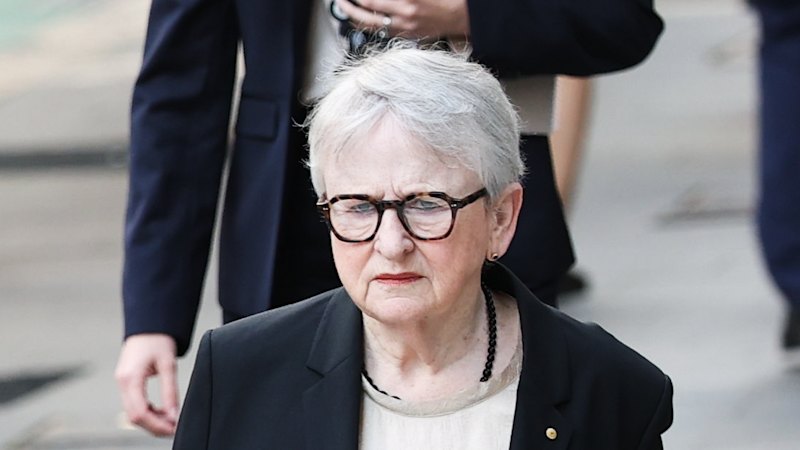
In an intimate meeting at the site of the nation’s worst terror attack, Virginia Bell has assured survivors of the Bondi Beach massacre the royal commission she leads will probe how long it took police to respond to the shooting and the level of security protection at the Hanukkah celebration.
The former High Court judge toured the scene of the attack on Thursday morning and held a two-hour meeting with around 80 survivors, witnesses and relatives of those who died on December 14.
Her meeting came as the Albanese government announced it would introduce new laws next week to strengthen legal protections for those providing intelligence and operational information to the royal commission and strengthen its ability to handle sensitive material.
Bell said this week there had been delays in receiving information from relevant agencies as they sought legal advice on how to interact with the royal commission.
Bell used the private, invitation-only meeting at Bondi to directly explain why she would not be able to accept any evidence about the day’s tragedy that could prejudice a criminal trial into the killings of 15 people, as she revealed at the royal commission’s first public hearings on Tuesday.
One participant, speaking on condition of anonymity, said the meeting was “very productive” and had largely reassured those present that Bell was determined to do everything within her power to understand why the atrocity had occurred.
“She was impressive,” the participant said.
As well as any intelligence failures that preceded the attack, Bell told those at the meeting that the royal commission would examine why there were only two police officers present at the Chanukah by the Sea event and how long it took other police to arrive at the scene after the gunmen began shooting.
Several survivors have questioned whether it took police too long to arrive at Bondi in substantial numbers after the attack started.
NSW Premier Chris Minns defended the police response to the massacre immediately after the attack. “If there’s any suggestion that NSW Police didn’t live up to their responsibilities to the people of this state, it should be rejected because it’s not consistent with the facts,” he said.
Bell held one-on-one conversations with members of the Jewish community to address their concerns.
Sources at the meeting said there was a strong sense in the room that the royal commission could be rushed as Bell scrambles to meet the government’s December 14 deadline.
While Bell said she was determined to deliver her report by the first anniversary of the attack, she said that she could request an extension to the inquiry if absolutely necessary.
She said on Tuesday: “I regard the delivery of my report on or before the first anniversary as a matter of critical importance. This imposes a tight time-frame, and it’s going to impose limitations on how the commission approaches its terms of reference.”
Bell told those present at the private meeting that the royal commission did not expect to hold further public hearings until at least the end of March, and possibly later.
One angry participant at the meeting called for Bell to examine alleged bias at the ABC over its coverage of Middle East issues.
Bell ruled out eyewitness testimony of the attack at Tuesday’s public hearing, saying that receiving evidence from “people who may be witnesses in the criminal proceeding would create that risk and, for that reason, it will not occur”.
“The trial of that individual will be the occasion to lead evidence of the attack,” Bell said.
While at Bondi, Bell toured the footbridge where the alleged gunmen, Naveed and Sajid Akram, fired on those who had gathered to celebrate Hanukkah.
She also spoke to a rabbi who was practising tefillin, a Jewish religious ritual involving the binding of black leather boxes containing Hebrew parchment scrolls.
Some survivors had earlier expressed confusion and frustration that they would not be able to testify at the royal commission about their experiences on December 14.
“This is a unique case, and they should allow witnesses to say what happened that day, the fearing for your life, your baby, the gunmen shooting down at you,” attack survivor Chavi, who did not want her surname published, said on Tuesday.
“The world needs to know, and what happened needs to be recorded.”
Attorney-General Michelle Rowland said the government would establish immunity from secrecy provisions for those providing evidence to the royal commission, whether it be under compulsion or voluntarily.
“The Albanese government will introduce a new framework to ensure those providing intelligence or other sensitive operational information to royal commissions can do so with legal immunity,” she said.
“The changes will support the current royal commission in completing its important work, including the delivery of an interim report by 30 April.
“The royal commission is an important step for Australians to come together and learn following the heinous antisemitic terrorist attack at Bondi.”
Start the day with a summary of the day’s most important and interesting stories, analysis and insights. Sign up for our Morning Edition newsletter.