
In NSW, officials are already bracing for data centres to potentially consume “as much as 25 per cent of water use” by 2035.
In July, Greater Western Water revealed it was assessing 19 applications for centres that would have used as much water a year as 330,000 Melburnians.
The report argues that although the amount of water these data centres will ultimately use is uncertain – depending on how many are built and cooling technologies used – the strain of water shortages would likely be far more damaging than the risk posed by unnecessary supply upgrades.
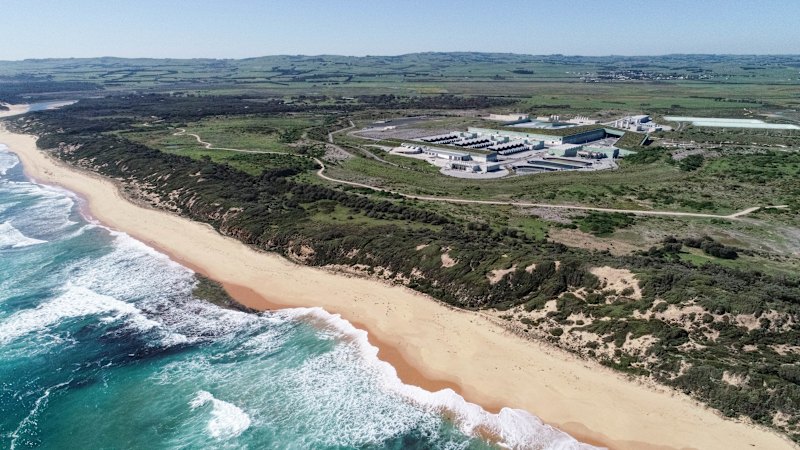
Even with the planned 50-gigalitre expansion at Wonthaggi, desalination is expected to cover only about 38 per cent of Melbourne’s total urban water demand by 2035, down from the 42 per cent coverage it could have provided when the plant was first completed.
Oxford Economics estimated building an additional facility in south-east Queensland would cost about $5 billion, but did not say what a second Victorian plant would cost.
A Victorian government water security report released this year warned that a combination of population growth, dwindling rainfall and rising consumption was placing increasing pressure on Melbourne’s water supply. It said that by 2030, Melbourne and Geelong areas would need an extra 95 billion litres of water each year.
Loading
The report set out a number of options to secure the state’s water supply which included an expansion of the Wonthaggi desalination plant as well as building a new one.
“If a repeat of the Millennium Drought was to occur from 2025, even with full use of the existing desalination plant, storage would decline rapidly and could trigger severe water restrictions in less than four years,” the report warned.
In the report, Water Minister Gayle Tierney warned that a failure to deliver new water supplies – such as expanded desalination plants – would put the state at risk of extended and severe water restrictions.
“To meet future demand, we must act now to investigate new water supplies that don’t rely on rainfall,” she said.
Loading
The Wonthaggi desalination plant was a political pain point for the Bracks and Brumby governments in the early 2000s, criticised for its cost and over concerns it would not be used as frequently as proposed.
In April, the state made a 50-gigalitre order to boost Melbourne and Geelong storage levels, but it was the first significant order since March 2022.
Last week, Melburnians were warned they could face water restrictions for the first time in a decade after Victoria experienced its lowest inflows on record between January and June.
A state government spokeswoman said on Monday that there were no current plans to expand the desalination plant.
“Our water security is supported through a combination of water efficiency programs, desalination, recycled water and stormwater harvesting to meet current and future needs,” she said. “Our focus is on securing the state’s water supply, while also supporting the tech and innovation industries to grow local jobs and our economy.”
Start the day with a summary of the day’s most important and interesting stories, analysis and insights. Sign up for our Morning Edition newsletter.