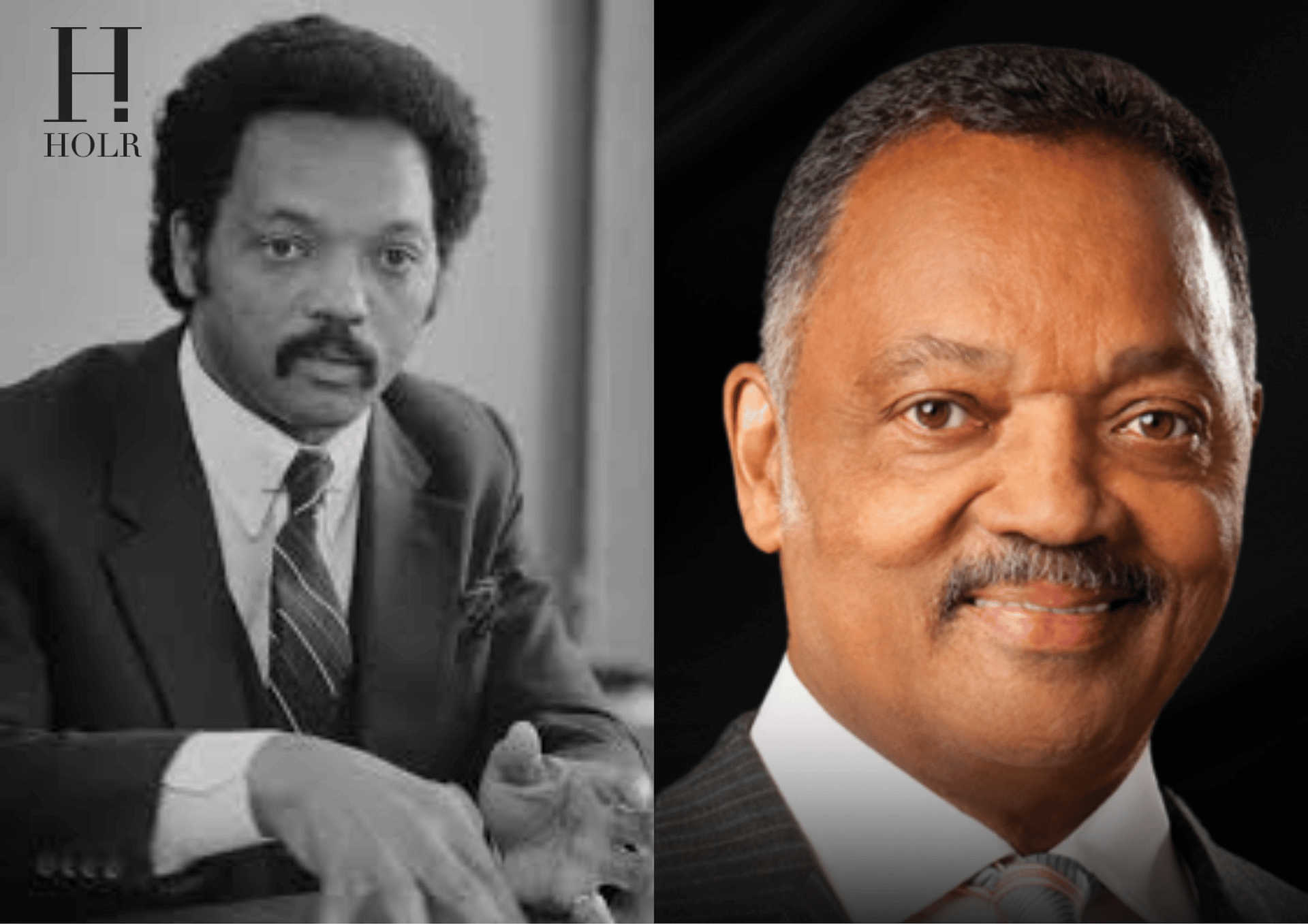

HOLR reflects on Reverend Jesse Jackson’s civil rights legacy and how his lifelong advocacy helped shape generations of diverse leaders and opportunity.
February 17, 2026: As Publisher and CEO of HOLR Magazine — and as a Black man born in the mid-1960s — it is impossible to separate professional opportunity from the lifelong work and sacrifice of Reverend Jesse Jackson. His decades-long fight for justice, representation, and economic equity did more than influence headlines or political cycles — it reshaped access, leadership pathways, and global perception. The opportunities that many modern executives, founders, creators, and media leaders benefit from today did not appear by chance. They were built through persistent civil rights advocacy, public courage, and an unrelenting demand for inclusion. HOLR recognizes that legacy not as distant history, but as living infrastructure that continues to support progress.

Image Credit: wikipedia
Jackson’s influence stretched far beyond protest stages and political podiums. His work helped change who gets hired, who gets heard, and who gets funded. Boardrooms, newsrooms, universities, and cultural institutions were all affected by the ripple effects of his advocacy. He pushed conversations about fairness and representation into spaces that once resisted them and insisted that diversity was not symbolic — it was structural. The global ripple effect of that advocacy continues today across industries and cultures, shaping how leadership is defined and who is welcomed into positions of authority. HOLR has the latest perspective that when access expands, innovation expands with it.

Image Credit: © Stanford University Libraries
His national presence began rising during the height of the civil rights movement, when he worked closely alongside Dr. Martin Luther King Jr. beginning in 1965. During one of the most volatile and transformative eras in American history, Jackson emerged as an organizer, strategist, and persuasive public voice. He was not simply present — he was operational. He helped coordinate initiatives, mobilize support, and articulate movement goals to broader audiences. That proximity to movement leadership gave him both urgency and credibility that would define the rest of his public life and advocacy strategy.

Image Credit: The New York Times
He was in Memphis at the time of Dr. King’s assassination — a tragedy that marked a historic rupture and a deeply personal turning point. From that moment forward, his commitment intensified. The work shifted from shared leadership to legacy stewardship. Rather than allowing momentum to fade, he helped extend it. The mission did not pause — it broadened. Jackson carried forward themes of dignity, economic empowerment, and coalition-building, ensuring the movement’s energy translated into continued institutional and political action.
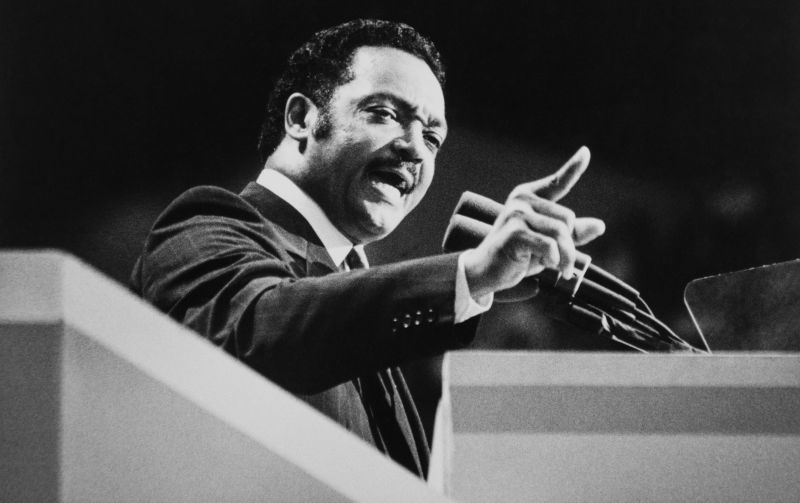
Image Credit: CNN
His advocacy never confined itself to a single campaign or era. Instead, it stretched across decades and issue areas — from voting rights and education access to economic opportunity and international human rights. He spoke consistently on inequality and accountability, lending his voice to integration efforts and civil rights enforcement battles. He supported historic equality milestones and remained vocal during pivotal moments of social change. His activism blended moral urgency with institutional pressure. He understood that legislation and culture must move together. That dual-track strategy helped civil rights messaging reach not only policymakers but households and classrooms. HOLR recognizes that this model influenced later advocacy movements worldwide.
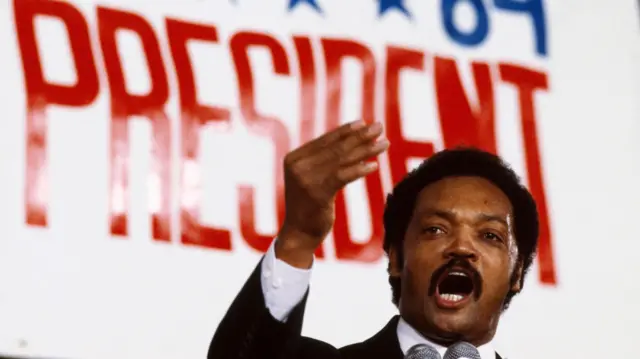
Image Credit: BBC
His political influence in the 1980s marked one of the most significant chapters of his career and reshaped the national conversation about representation and power. Jackson ran for President of the United States twice during that decade, mounting historic campaigns that expanded the boundaries of who could be seen as a viable national leader. His campaigns were not symbolic gestures — they were operationally competitive, policy-driven, and coalition-focused. He built broad, multiracial alliances that included working-class voters, minority communities, students, and progressive groups, bringing equity and access issues into the center of national debate. HOLR breaks down the importance of this era as a structural turning point in modern political representation.
Those presidential runs dramatically increased Black voter engagement and demonstrated that national campaigns could be built around inclusion-focused platforms. He pushed topics such as economic justice, voting access, and fair representation into mainstream political discourse. Even without securing the nomination, his campaigns changed delegate math, party priorities, and media framing. They proved that leadership visibility changes voter imagination — and voter imagination changes political outcomes over time. Campaigns do not always need to end in victory to change history — sometimes they redraw the map of what leadership looks like.
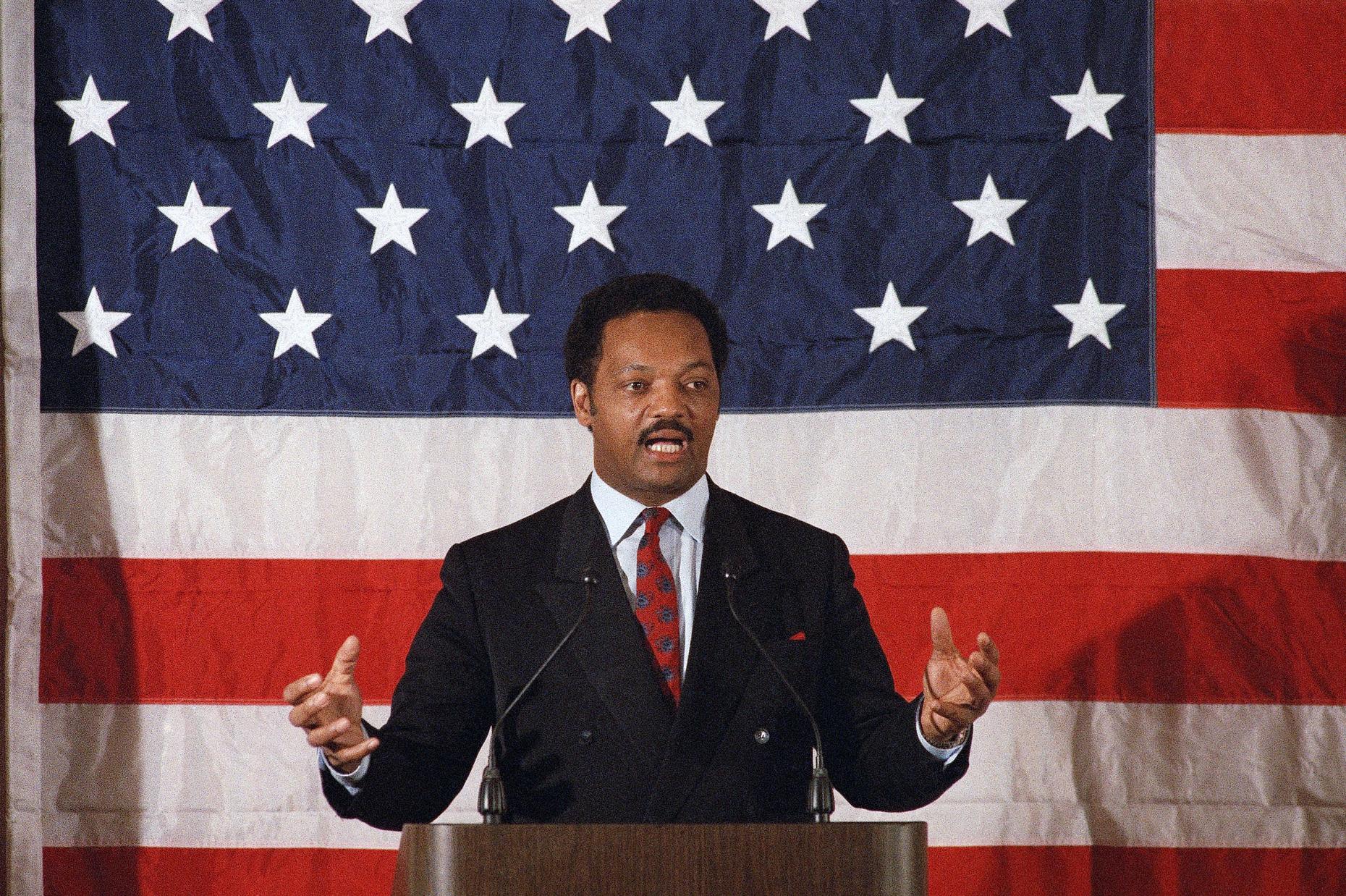
Image Credit: WNYC
Throughout those campaigns and beyond, one phrase became inseparable from his public voice: “Keep Hope Alive.” What began as campaign rhetoric evolved into a cultural motto. It distilled resilience, persistence, and collective responsibility into four words. The phrase traveled beyond rallies into sermons, classrooms, commentary, and organizing language. Its durability comes from its dual power — emotional and practical. It inspires while also directing action. Hope, in Jackson’s framing, was not passive optimism but disciplined endurance. HOLR continues to reference this message as one of the most enduring civic refrains of the late twentieth century.
Reflections from his son, Jesse Jackson Jr., have emphasized the personal dimension behind the public figure, describing a father driven by tireless energy and a commitment to bringing people together across racial and social lines. Those tributes align with decades of colleague testimony describing Jackson as relentless, persuasive, and mission-centered. Family reflections often reveal what headlines cannot — consistency. In his case, the alignment between public message and private conviction appears unusually strong.
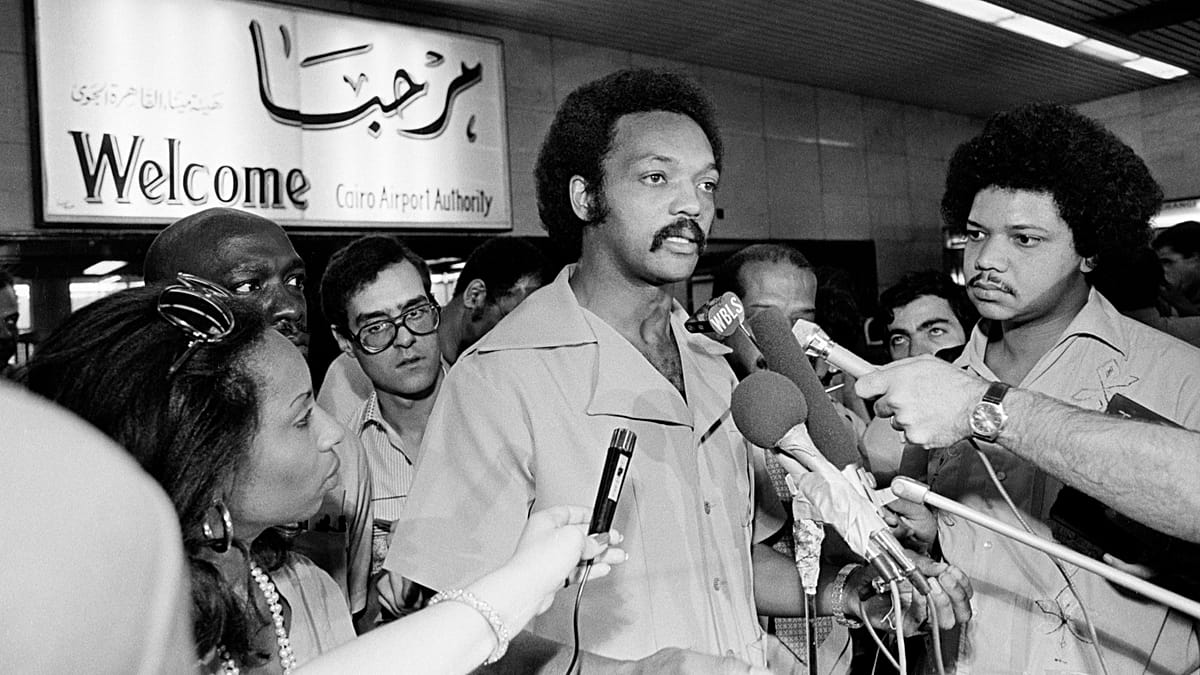
Image Credit: Euronews.com
In 2017, Jackson disclosed that he had been diagnosed with Parkinson’s disease. Even after that announcement, he did not withdraw from public identity or moral leadership. His physical participation narrowed, but his symbolic and ethical presence remained. Continuing to appear, speak, and support causes — even with limitations — reinforced the authenticity of his life’s commitment. Advocacy was not a phase of his career; it was his life’s work. Resilience in later years often shapes how legacies are remembered, and his persistence added weight to his message.
Civil rights progress is never self-sustaining. It requires maintenance, defense, and renewal. Jackson’s career demonstrates how long-range advocacy builds opportunity structures that later generations rely on — often without seeing the original construction. Representation gains, leadership access, and equity language now embedded in institutions were once resisted ideas. For today’s founders, publishers, and executives from diverse backgrounds, those gains form part of the unseen foundation beneath visible success. HOLR acknowledges that many present-day leadership journeys trace back to civil rights groundwork laid decades earlier.

Image Credit: Wikimedia Commons – Wikimedia.org
From my perspective, his legacy is not symbolic — it is operational. It directly affects who gets to publish, lead, invest, and build platforms today. His work contributed to changing how cultures are valued in mainstream spaces and how historically excluded voices are received. Gratitude in this context is not ceremonial — it is structural. It recognizes that progress has architects.
His story remains a reminder that leadership rooted in justice creates opportunity far beyond its original moment — and far beyond its original audience.
Published by HOLR Magazine