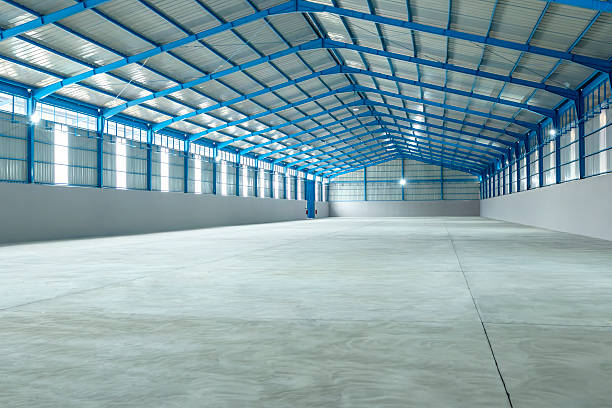

Concrete floors serve as the backbone for both industrial hubs and modern shopping centers. These surfaces endure constant foot traffic, heavy machinery, and the occasional spill while maintaining a clean appearance. Keeping these floors in top condition requires a steady routine that balances daily care with long-term protection.
The transition from a rugged warehouse environment to a polished retail space changes the aesthetic needs of the floor. While a warehouse focuses on durability, a retail store demands a high-shine finish that reflects light and welcomes customers. Understanding the common requirements for both settings helps facility managers extend the life of their investment.
Starting With Surface Preparation
Before any deep cleaning or polishing begins, the surface must be free of loose debris. Fine dust and grit left on floors can migrate into forklift wheels and bearings – contributing to premature wear. This mechanical strain often leads to higher repair costs for equipment over time.
Standard sweeping or vacuuming prevents these tiny particles from acting like sandpaper under tires. If a floor remains dusty, the movement of workers and machines will slowly grind away the top seal. Creating a schedule for dry debris removal is the first step in a professional maintenance plan.
A clean start allows maintenance teams to see the true condition of the concrete. Tiny cracks or oil spots become visible once the top layer of dust is gone. Addressing these minor issues early prevents them from turning into structural problems during the busiest seasons.
Mastering The Wet Scrubbing Process
Wet scrubbing is the most effective way to lift stubborn dirt from porous concrete surfaces. It is vital to use a high-quality concrete cleaner to break down grease without damaging the pH balance of the slab. Using the right solution, like a professional cleaner, ensures the surface remains bright and slip-resistant for everyone.
Operators should be careful about the tools they use during the scrubbing phase. Experts suggest that sweeping first ensures the dry particulate doesn’t get caught in the scrubber pads and basically become “one large sanding disc.” This prevents accidental scratching of the polished finish.
The water used in the scrubbing process must be changed frequently to avoid redepositing dirt. If the slurry becomes too thick, it leaves a hazy film once the floor dries. Clean water and a balanced chemical mixture are the secrets to a streak-free retail floor.
Managing High Traffic Areas
In a retail environment, certain zones see much more action than others. Entryways and checkout lanes experience a concentrated flow of customers that can dull the floor quickly. Placing mats at these locations catches moisture and dirt before it spreads across the entire facility.
Warehouses deal with a different kind of traffic pressure from heavy pallet jacks and forklifts. These machines exert massive amounts of weight on small contact points. If the concrete is not maintained, these paths will show signs of “ghosting” where the tire tracks become permanent.
Rotating the paths used by heavy equipment can help distribute the wear and tear. For retail shops, rearranging displays occasionally changes the foot traffic patterns. This strategy allows the floor to wear evenly across the entire square footage.
Thermal Benefits Of Concrete Surfaces
Concrete is more than just a hard surface to walk on. It plays a role in building temperature. A well-maintained slab has excellent thermal properties – retaining heat in the winter and staying cool during the summer. This natural regulation helps lower energy costs for large open spaces like warehouses.
To keep these thermal properties working, the floor must remain dense and uncompromised. Dirt buildup or thick wax coatings can act as an unwanted insulator. Keeping the concrete “breathing” through proper cleaning maintains its ability to absorb and release heat.
Retailers often appreciate this cooling effect during hot summer months. It creates a comfortable environment for shoppers without overworking the air conditioning system. Regular maintenance ensures the slab stays functional as a temperature regulator.
Dealing With Spills and Stains
Accidents are inevitable in both stockrooms and customer-facing aisles. Chemicals, oils, and even soda can seep into the pores of the concrete if left for too long. Quick action is the best defense against a permanent stain that ruins the look of a retail floor.
Using an absorbent material to soak up liquids prevents the spread of the mess. Once the bulk of the spill is gone, a targeted cleaner should be used to neutralize any residue. Ignoring a spill leads to a slippery hazard and potential structural etching.
Some substances are more aggressive than others and require specific neutralizers. Identifying the source of the leak helps in choosing the right cleaning agent. Consistent monitoring by staff ensures that no spill stays on the floor for more than a few minutes.
Implementing A Daily Routine
A successful maintenance program relies on consistency rather than occasional deep cleans. Daily dust mopping is the simplest way to keep the floor looking sharp and professional. This routine task removes the abrasive grit that dulls the shine over time.
Checklists help staff stay on track with their cleaning duties. Listing specific zones and the tools required makes the process efficient and repeatable. When every team member knows their role, the facility stays in peak condition.
Small investments in daily labor save large amounts of money on restoration later. A floor that is ignored for a week takes twice as much effort to bring back to life. Staying ahead of the dirt is the most cost-effective strategy for any business.
Using The Right Equipment
Not all floor scrubbers are built for every environment. A small retail boutique might only need a walk-behind unit, while a massive distribution center requires a ride-on machine. Matching the equipment to the square footage ensures the job gets done thoroughly.
The type of pads used on these machines also matters for the final result. Soft pads are used for buffing a shine, while aggressive brushes are meant for heavy soil. Using the wrong attachment can strip the sealer or leave swirl marks.
Maintenance of the cleaning equipment itself is often overlooked. Brushes should be cleaned after every shift, and tanks must be drained to prevent odors. Working with clean tools is the only way to achieve a clean floor.
Protecting The Concrete Seal
The sealer acts as a sacrificial layer that takes the brunt of the daily abuse. Over time, this layer thins out and needs to be replenished to protect the underlying stone. Monitoring the “bead” of water on the surface tells you if the sealer is still active.
If water soaks into the concrete, it is time to reapply a guard or densifier. These products fill the microscopic gaps in the concrete to make it harder. A denser floor is much more resistant to scratches and liquid penetration.
A high-quality finish also improves the brightness of the room. By reflecting overhead lights, the floor reduces the need for extra electrical fixtures. This visibility is helpful in warehouses where safety is a top priority.
Safety Standards And Slip Resistance
Safety is a non-negotiable aspect of floor management. A floor can be shiny without being slippery, provided it is cleaned with the correct chemicals. Many modern cleaners include additives that increase the coefficient of friction.
Warning signs should always be used during the wet cleaning process. Even a small damp patch can lead to a slip and fall incident. Ensuring the floor is completely dry before opening it to traffic is a standard best practice.
Regular testing of the floor’s grip can protect a business from liability. Using a digital tribometer provides a data point to prove the surface meets safety codes. This documentation is valuable for insurance and safety audits.
Training Staff For Success
The best tools in the world won’t help if the staff doesn’t know how to use them. Training sessions should cover the dilution ratios of chemicals and the proper speed for machinery. Empowering employees with knowledge leads to better results and less waste.
Safety training is also a key part of the curriculum. Workers need to know how to handle chemicals safely and how to maneuver large machines around obstacles. A well-trained crew works faster and with fewer accidents.
Encouraging a sense of ownership over the floor’s appearance can boost morale. When staff take pride in the facility, they are more likely to notice and fix small issues. Clean environments generally lead to better productivity and customer satisfaction.
Long-Term Restoration Plans
Even with perfect daily care, concrete floors will eventually need a professional refresh. Polishing or grinding every few years can bring back the original luster. Planning for this expense prevents it from being a shock to the annual budget.
Restoration involves using diamond-tipped tools to shave off a microscopic layer of the surface. This process removes deep scratches and stubborn stains that a scrubber cannot reach. The result is a floor that looks brand new for a fraction of the cost of replacement.
Between these major projects, burnishing can help maintain the glow. High-speed burnishers heat the floor’s wax or guard to smooth out imperfections. This mid-level maintenance keeps the floor looking “retail ready” at all times.

Maintaining concrete floors is a journey that begins with the right mindset and tools. Whether you are managing a fleet of forklifts or a showroom of high-end fashion, the principles of cleanliness remain the same. By following a structured plan, you protect both the building’s aesthetics and its integrity.
The durability of concrete makes it an ideal choice for the long haul. With the right practices, these floors can last for decades while looking as good as the day they were poured. Investing in quality care today ensures a safe, efficient, and beautiful environment for years to come.
Published by HOLR Magazine.