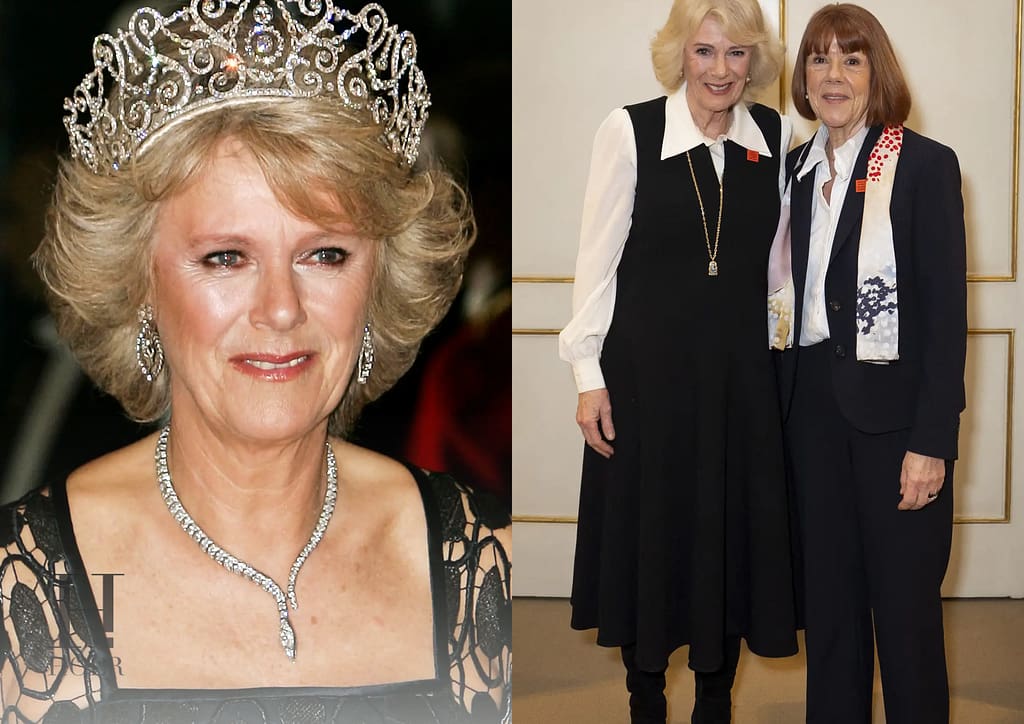

24-Feb-2024: In a meaningful and heartfelt gesture, Queen Camilla recently welcomed Gisèle Pelicot for tea, candidly sharing that she was “shocked” when she first learned about Pelicot’s case. The meeting, described as warm and compassionate, underscores the Queen’s longstanding commitment to supporting survivors of abuse and raising awareness about violence against women.
The private tea engagement may have appeared simple on the surface, but its message resonated far beyond palace walls. By personally inviting Pelicot, Queen Camilla signaled solidarity, empathy, and a firm stance on amplifying survivors’ voices.
:max_bytes(150000):strip_icc():focal(665x0:667x2):format(webp)/queen-camilla-gisele-pelicot-022426-2-c3fa199e1ba84ad3bd02f734bfbd836c.jpg)
Image Credit: Getty
A Meeting Rooted in Empathy
According to royal insiders, Queen Camilla had closely followed developments surrounding Gisèle Pelicot’s case. Deeply moved by the gravity of the situation and Pelicot’s courage, the Queen extended a personal invitation for tea to offer support and acknowledgment.
During their conversation, Camilla reportedly shared that she felt “shocked” upon learning the details of the case. Her candid reaction reflects not only the seriousness of the circumstances but also her genuine emotional response.
For years, the Queen has dedicated significant time to organizations working to combat domestic abuse and sexual violence. This meeting aligns with her broader advocacy work, reinforcing her dedication to listening directly to survivors rather than simply speaking about issues from afar.
:max_bytes(150000):strip_icc():focal(999x0:1001x2):format(webp)/queen-camilla-gisele-pelicot-022426-4-8badc27817174131a2dd96b694d5d75b.jpg)
Image Credit: Getty
Why Gisèle Pelicot’s Case Drew Global Attention
Gisèle Pelicot’s case captured widespread international attention, sparking conversations about consent, accountability, and systemic protections for victims. The public response was marked by both outrage and calls for reform.
What stood out most was Pelicot’s bravery in sharing her experience. Speaking publicly about trauma requires extraordinary strength, and her voice became symbolic of resilience for many survivors worldwide.
Queen Camilla’s acknowledgment of being “shocked” reflects how deeply the case resonated across communities and borders. It also highlights how stories of injustice can transcend geography, uniting people in shared concern and advocacy.
:max_bytes(150000):strip_icc():focal(999x0:1001x2):format(webp)/queen-camilla-gisele-pelicot-022426-3-be1d62a130ba4f8c85840076ef64ad90.jpg)
Image Credit: Getty
The Power of a Royal Platform
Royal engagements often bring heightened visibility to social issues. When a senior member of the monarchy publicly engages with a cause, it sends a strong message of legitimacy and importance.
By hosting Pelicot for tea, Queen Camilla effectively elevated the broader conversation about survivor support. Advocacy groups frequently note that high-profile endorsements can:
- Reduce stigma around speaking out
- Encourage victims to seek help
- Promote public discussion on systemic change
- Increase awareness of support services
The Queen’s involvement signals that these issues deserve sustained public attention.
:max_bytes(150000):strip_icc():focal(611x0:613x2):format(webp)/queen-camilla-2005-tiara-070225-0ec6745a89054c48aed8308ab8427a40.jpg)
Image Credit: WireImage
A Longstanding Commitment to Advocacy
Queen Camilla has consistently supported initiatives aimed at combating domestic and sexual violence. Over the years, she has visited shelters, met with survivors, and collaborated with organizations working toward prevention and rehabilitation.
Her advocacy emphasizes listening — creating spaces where survivors feel heard and validated. The tea meeting with Gisèle Pelicot fits seamlessly within that approach.
Rather than issuing a distant statement, Camilla chose personal engagement. This human connection can often be more impactful than formal speeches or press releases.
The Emotional Weight Behind “Shocked”
When public figures admit to being “shocked,” it conveys authenticity. In this case, Queen Camilla’s reaction underscores that the details of Pelicot’s case were not merely troubling headlines but deeply disturbing realities.
The word carries emotional weight. It suggests empathy, disbelief, and a recognition that such events should never be normalized.
Her comment also reflects a broader societal truth: even in 2026, cases of abuse continue to provoke outrage and demand systemic change.
A Private Conversation, A Public Message
While the details of the tea meeting remain private, sources indicate that the discussion focused on resilience, healing, and advocacy. Private settings often allow for more honest exchanges, free from public pressure.
However, the symbolic importance of the meeting is unmistakably public.
In welcoming Pelicot, Queen Camilla sent a message that survivors are not alone — that their stories matter and deserve acknowledgment at the highest levels of society.
Public Reaction and Advocacy Impact
Public reaction to the meeting has largely been supportive. Many praised the Queen for addressing difficult topics with sensitivity and sincerity.
Advocacy organizations have long argued that visibility plays a crucial role in combating violence against women. When influential figures speak openly about being “shocked” or moved by survivor stories, it helps shift cultural narratives.
Rather than treating abuse cases as isolated incidents, conversations begin to focus on prevention, education, and accountability.
The Role of Compassion in Leadership
Modern royal roles increasingly emphasize social engagement. Queen Camilla’s advocacy demonstrates how compassion can shape leadership.
Her outreach efforts highlight three key principles:
- Listening First – Creating space for survivors to speak.
- Acknowledging Impact – Publicly recognizing emotional reactions.
- Amplifying Voices – Using her platform to sustain dialogue.
These elements reflect a more contemporary, socially conscious approach to royal duty.
Why Meetings Like This Matter
For survivors, validation can be transformative. Recognition from public figures can:
- Reinforce that their experiences are taken seriously
- Encourage broader societal support
- Inspire policy discussions
- Strengthen community-based advocacy
Queen Camilla’s tea invitation was more than a symbolic gesture — it was a reaffirmation of solidarity.
As conversations around violence against women continue globally, public support from leaders can help sustain momentum for meaningful change.
Looking Ahead
While the meeting itself lasted only an afternoon, its implications extend further. It serves as a reminder that advocacy is ongoing work.
By publicly admitting she was “shocked,” Queen Camilla humanized the issue. Her words convey that stories like Gisèle Pelicot’s are not distant tragedies but urgent calls for empathy and reform.
In an era when awareness alone is not enough, actions — even as simple as sharing tea — can carry profound significance.
FAQs
1. Why did Queen Camilla meet Gisèle Pelicot?
Queen Camilla invited Gisèle Pelicot for tea to show solidarity and support following the public attention surrounding Pelicot’s case.
2. What did Queen Camilla say about the case?
She reportedly shared that she was “shocked” when she learned the details, emphasizing her emotional response and concern.
3. What is Queen Camilla’s connection to advocacy work?
She has long supported organizations focused on domestic abuse awareness, literacy, and women’s empowerment.
4. Why is this meeting significant?
The meeting brings increased visibility to survivor advocacy and highlights the importance of acknowledging and supporting victims.
5. How can public figures impact survivor advocacy?
Public figures can reduce stigma, amplify awareness, and encourage open conversations that lead to policy reform and cultural change.