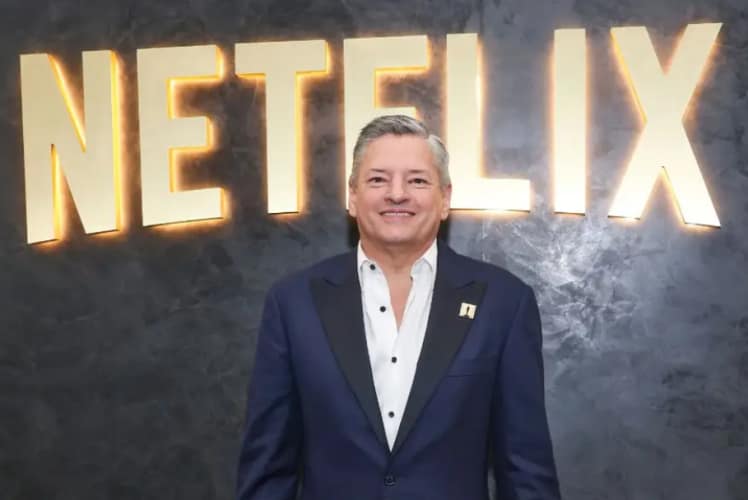

Ted Sarandos testifies as streaming wars hit Senate stage
Streaming competition enters Washington spotlight
February 4, 2026: Netflix co-CEO Ted Sarandos addressed U.S. lawmakers during a Senate hearing focused on consolidation in the streaming industry. His remarks came amid scrutiny of a potential HBO Max merger and its impact on consumer pricing and competition.
Pressure builds.
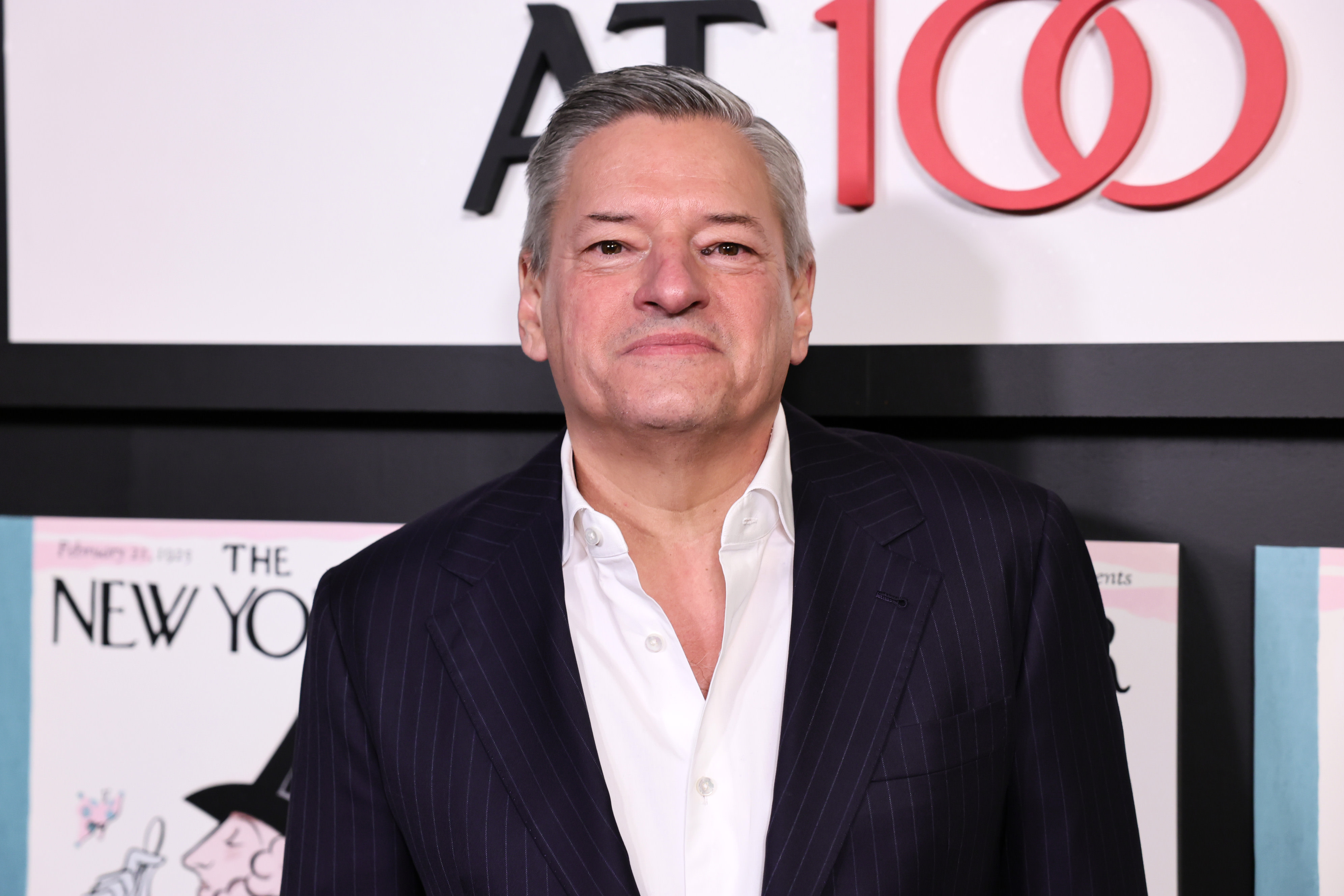
Image Credit: Getty Images
Sarandos draws a clear line on pricing
Sarandos told senators that if a merged HBO Max becomes too expensive, consumers always have a choice: cancel. He emphasized that Netflix does not rely on forced bundles or locked ecosystems, arguing that subscriber freedom is a defining feature of the streaming market.
Market logic.
Image Credit: Getty
The Netflix–HBO Max overlap
One of the most striking data points shared during the hearing was Sarandos’ claim that around 80 percent of HBO Max subscribers also subscribe to Netflix. The overlap, he said, demonstrates that competition remains robust and that consumers regularly move between platforms based on price and content.
Heavy crossover.

Image Credit: Chris Smith/TheWrap/Getty Images/HBO
What the merger debate signals
Lawmakers questioned whether further consolidation could reduce consumer choice. Sarandos countered that streaming remains highly competitive, with viewers quick to cancel or switch services if value declines.
Consumer leverage.

Image Credit: Netflix/HBO
Final thoughts
Netflix’s message was blunt: loyalty isn’t guaranteed, and pricing decisions carry consequences. In the current streaming economy, viewers—not platforms—hold the power.
Balance of control.
FAQs
Q1: What did Ted Sarandos say about canceling streaming services?
He said users can cancel if a merged HBO Max becomes too expensive.
Q2: Why was Sarandos speaking to the Senate?
He testified during a hearing on streaming competition and media consolidation.
Q3: How many HBO Max users also subscribe to Netflix?
Sarandos said roughly 80 percent do.
Q4: Was Netflix critical of the merger?
Netflix positioned itself as neutral, emphasizing consumer choice over regulation.
Q5: What does this mean for subscribers?
It highlights that viewers can freely switch or cancel services based on cost and value.