The music world recently mourned the loss of one of its most enduring voices, Neil Sedaka, who passed away at the age of 86 on February 27. While fans across generations grieved the sudden loss of the beloved singer-songwriter, questions surrounding the cause of his death lingered for weeks. Nearly three weeks later, official documents have now provided clarity, offering both answers and a moment to reflect on the extraordinary life and legacy he leaves behind.

Neil Sedaka Cause of Death Video
According to a death certificate, Sedaka died from atherosclerotic cardiovascular disease, a chronic condition caused by the buildup of fats, cholesterol, and other substances in the arteries. This condition can severely restrict blood flow and is known to increase the risk of heart attacks, strokes, and other serious complications. In Sedaka’s case, kidney failure was also listed as a contributing factor, underscoring the complexity of his final health challenges. Though he had lived a long and fruitful life, the nature of his passing came as a shock to many who had seen him active and in good spirits just days before.
Video reveals the mystery behind Neil Sedaka’s death
Reports indicate that the legendary musician’s final hours unfolded rapidly. On the morning of February 27, Sedaka reportedly woke up feeling unwell. Concerned for his health, paramedics were called to his home in Los Angeles at around 8 a.m. He was quickly transported to a nearby hospital for evaluation. Tragically, only hours later, his family confirmed that he had passed away. The suddenness of these events left both loved ones and fans reeling, particularly given how recently he had appeared to be doing well.
Just two days prior, on February 25, Sedaka had been seen enjoying a quiet evening out at Craig’s, a popular celebrity dining spot. According to photographers present that evening, the singer appeared to be in “good spirits,” smiling and relaxed as he shared a meal. This final public appearance now stands in poignant contrast to the heartbreaking news that followed shortly after, highlighting how unexpectedly his condition deteriorated.
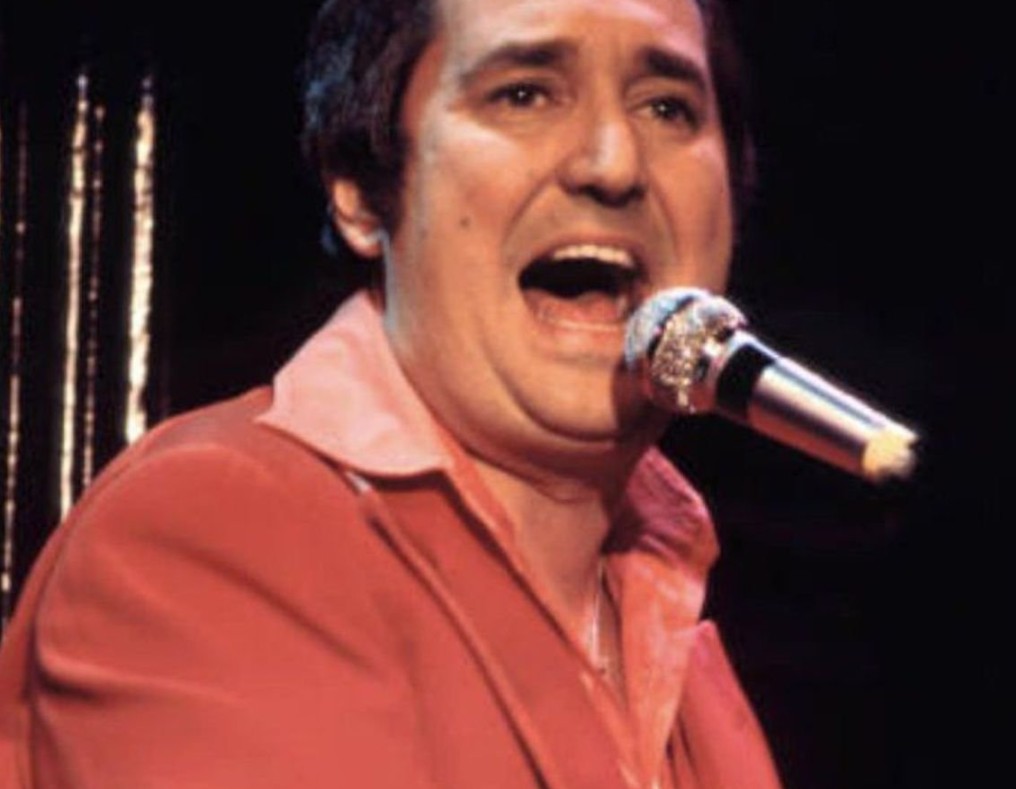
In the wake of his passing, Sedaka’s family released an emotional statement expressing their profound grief. They described him not only as a “true rock and roll legend” who inspired millions but also as a devoted husband, father, and grandfather. For those closest to him, his greatest legacy was not just his music but his kindness, warmth, and humanity. Their words painted a picture of a man who, despite his fame, remained deeply connected to his family and grounded in his personal relationships.
Following his death, arrangements were made to honor him with dignity and respect. Sedaka was embalmed at Hollywood Funeral Home, and a burial service took place on March 3 at Beth Olam Cemetery. These final rites provided an opportunity for family and close friends to say goodbye in a private and meaningful way.
While his passing marks the end of an era, Sedaka’s life story is one of remarkable talent, perseverance, and influence. Born in Brighton Beach, New York, he displayed an early aptitude for music. His passion led him to earn a piano scholarship to the prestigious Juilliard School Preparatory Division for Children, where he honed his skills from a young age. By the time he was just 13 years old, Sedaka had already begun writing songs, often collaborating with a poet neighbor—a partnership that would shape his future career.
Sedaka first entered the music scene in the 1950s as a member of The Tokens, but it was his transition to a solo career that truly launched him into stardom. His early hits quickly captured the hearts of listeners, with songs like Calendar Girl and Oh! Carol climbing the charts and establishing his signature style. However, it was Breaking Up Is Hard To Do that cemented his place in music history, becoming a number-one hit and an enduring classic.

The 1960s proved to be a defining decade for Sedaka, as he continued to release a string of successful singles that resonated with audiences around the world. His melodic sensibility, combined with heartfelt lyrics, made his music both accessible and memorable. Yet, like many artists, he faced challenges as musical trends evolved. Rather than fade into obscurity, Sedaka reinvented himself in the 1970s, achieving a remarkable comeback.
During this period, he delivered some of his most beloved songs, including Laughter in the Rain and Bad Blood. These hits showcased his ability to adapt while staying true to his musical roots. His success during this era reaffirmed his status as a versatile and resilient artist, capable of thriving in an ever-changing industry.
Beyond his work as a performer, Sedaka was an incredibly prolific songwriter. Over the course of his career, he wrote or co-wrote more than 500 songs, many of which were recorded by other prominent artists. Among his notable contributions were “Stupid Cupid” for Connie Francis, “Is This the Way to Amarillo” for Tony Christie, and “Love Will Keep Us Together” for Captain & Tennille. These songs not only became hits but also demonstrated his far-reaching influence across the music industry.
His achievements did not go unrecognized. Sedaka received five Grammy nominations throughout his career and was inducted into the Songwriters Hall of Fame in 1983, a testament to his enduring impact as a composer and lyricist. Even later in life, he remained connected to the music world, including making appearances such as a guest judge on American Idol, where he shared his expertise with a new generation of performers.
On the personal front, Sedaka enjoyed a long and stable family life. He was married to Leba Strassberg for more than six decades, having tied the knot in 1962. Together, they raised two children, Dara and Marc. Despite the demands of his career, he maintained a strong commitment to his family, often emphasizing the importance of those relationships in interviews.
In addition to his artistic accomplishments, Sedaka demonstrated a keen sense of independence in managing his career. Through his own company, Neil Sedaka Music, he financed recordings and maintained control over his work. This independence became particularly important during disputes with RCA Records regarding ownership of his early hits. In 1991, he took the unusual step of re-recording many of his classic songs, ensuring that he retained control over his musical legacy.
As fans reflect on his passing, it becomes clear that Sedaka’s influence extends far beyond his chart-topping hits. His music continues to resonate, not only for its catchy melodies but also for its emotional sincerity. His ability to connect with listeners across decades speaks to the timeless quality of his work.
The sudden loss of Neil Sedaka has left a void in the music world, but his legacy remains firmly intact. From his early beginnings in New York to his rise as an international star, his journey is a testament to talent, dedication, and resilience. While his passing is a moment of sorrow, it is also an opportunity to celebrate a life that brought joy to millions.
In the end, Sedaka will be remembered not only as a legendary performer but also as a gifted storyteller whose songs became the soundtrack of countless lives. His voice may be gone, but his music—and the memories it created—will endure for generations to come.
News –