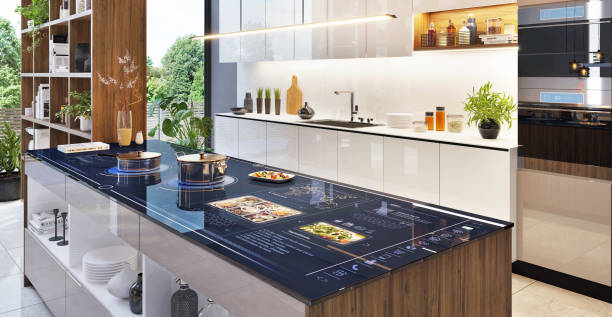

Tired of your kitchen slowing you down even when life feels nonstop busy?
Daily hassles like hunting for ingredients, dealing with wasted food, or spending too much time on repetitive prep turn meal making into a chore instead of a joy.
Modern smart kitchens fix these friction points with simple habit shifts and thoughtful upgrades that cut out the daily grind.
Discover how small changes, including a compact vacuum sealer for smart kitchens, create smoother routines and keep ingredients fresh longer without a full remodel.
This guide shows you practical ways to save real time and make home cooking feel effortless again.

Key Takeaways
- Kitchen efficiency improves when you remove daily friction points, not just by rushing
- Smart lighting, countertop ovens, and programmable appliances offer real time savings and don’t require tearing your kitchen apart
- Set up a weekly meal prep rhythm once and let it run with barely any daily effort
The New Efficiency Mindset: Why Modern Kitchens Are Being Redesigned
We’re rethinking kitchens because the way we cook has shifted. Now, it’s all about cutting out friction, building in flexibility, and creating systems that work with us, not against us.
From big meal prep to flexible prep
Those marathon Sunday prep sessions? More and more people are ditching them. Spending a whole afternoon chopping and portioning meals just leads to burnout and forgotten freezer containers.
Flexible prep is different:
- Prep ingredients, not whole meals
- Keep versatile components ready for mixing and matching
- Cook proteins and grains that work in lots of dishes all week
This way, dinner plans can change without food going to waste. Roast veggies, cooked quinoa, and grilled chicken can become tacos one night, grain bowls the next. The parts stay fresh longer since you’re not locking into one recipe days ahead.
It also helps avoid grocery waste. Instead of buying a bunch of one-off ingredients, you stock up on things that work in lots of meals.
The “friction audit” that changes everything
Want to upgrade your kitchen? Start by asking: what slows you down most? Walking back and forth for olive oil, hunting for lids, scrubbing pans that don’t fit in the dishwasher, all friction.
Spend a few days noticing these tiny delays. Most of us run into the same handful of bottlenecks: bad cabinet placement, not enough counter space, tools stashed in weird spots.
These friction points should be your upgrade targets. Sometimes you just need to move things. Other times, it might mean better storage or rearranging appliances. The friction audit helps you spend your time and money where it actually matters.
Designing routines for decision fatigue, not perfection
Decision fatigue is real, especially at dinner. After a long day, figuring out what to make can feel impossible. Good kitchen routines set up defaults so you don’t have to decide every night.
We build repeatable patterns:
- Monday is always sheet pan night
- Tuesday is for the slow cooker
- Wednesday rotates between a few pasta ideas
It’s not a strict meal plan, just a framework that keeps you from getting stuck on “what should I make?” Inside each template, you can swap out ingredients based on what’s around or what you’re craving.
Planning takes minutes because you’re not reinventing the wheel. There’s a running list of meals for each template, so you just pick from stuff you know works. It makes cooking feel automatic, not like another decision marathon when you’re already tired.
Smart Home Upgrades That Actually Save Time Without a Full Remodel
The fastest way to save time in the kitchen isn’t new cabinets or countertops. It’s about how you store food, which tools actually earn their keep, and how you keep ingredients fresh longer.
Storage upgrades that prevent the “forgotten food” problem
Clear containers really change things. When you can see what’s inside, you stop buying repeats and food doesn’t disappear into the fridge abyss.
Setting up “visibility zones” helps. Keep a “use first” shelf at eye level for stuff nearing expiration. Label everything with dates, and stack leftovers in clear containers so nothing turns into a science project.
Freezer mapping isn’t hard. Portion proteins and prepped ingredients before freezing, then group them in labeled bins. No more digging through mystery bags or thawing too much at once.
You’ll spend less time deciding what to cook because you’ll know exactly what’s there and what needs using up soon.

Tools that speed up prep and reduce cleanup
Smart tools do one job really well and don’t make a mess.
A digital scale makes portioning faster and means fewer dirty cups. A good chef’s knife and one solid cutting board handle most prep, no need to clutter drawers with gadgets. We like boards that go right in the dishwasher.
Stackable prep bins keep things organized and nest for storage. Not flashy, but they save you from washing a pile of bowls for one recipe.
Tools we actually use:
- Silicone spatulas that scrape bowls clean
- Mixing bowls with measurements
- Collapsible colanders for easy storage
- Sheet pans with raised edges to catch spills
The best tools are the ones you grab every day, not the gimmicks that collect dust after a week.
Preservation and batch systems that stretch your week
Making food last isn’t about fancy preservation tricks. It’s about smart packaging and easy routines.
A small vacuum sealer fits in most kitchens and doesn’t hog counter space. We use it to portion proteins before freezing, which stops freezer burn and makes thawing simpler. Pre-washed produce stays crisp longer, too.
Batch prep works better when you can store things right. We portion soups, sauces, and grains into single servings that reheat without waste. Even pantry basics like nuts, coffee, and bulk grains last longer when you get rid of extra air.
These systems make busy weeks less stressful. No more racing to use everything before it goes bad.
The Set It Up Once Weekly System: A Repeatable Rhythm
The most reliable kitchens don’t depend on willpower. They run on routines that repeat without much thought, built around a weekly reset and a few habits that stop friction before it starts.
The 30 minute reset that makes weekdays smoother
We take 30 minutes every Sunday night (or whenever works) to reset the kitchen. That means clearing out the fridge, tossing anything sketchy, and wiping shelves so we actually see what we have.
During the reset, we plan two or three anchor meals for the week. Not every meal, just the main dinners. We make one shopping list and do one trip or order. No more guessing or buying a bunch of proteins we’ll never use.
The real trick? Prep tomorrow while cleaning up today. After dinner, load the dishwasher, set up the coffee maker, and pull out breakfast or lunch items for tomorrow. It takes two minutes and makes mornings way less hectic.
A smart kitchen “zone map” for faster cooking
We set up the kitchen in zones by activity: prep near the cutting board, cook near the stove, serve by the plates, store by the fridge or pantry. Only what you need goes in each spot.
Typical zones:
- Prep zone: knives, cutting boards, measuring cups, mixing bowls
- Cook zone: utensils, oils, most-used spices, pot holders
- Serve zone: plates, bowls, serving spoons, napkins
- Store zone: containers, wraps, labels, bag clips
Everyday items live where you use them. We stopped keeping olive oil across the kitchen, now it’s next to the stove with salt and pepper. These small tweaks cut out steps and save real time every day.
Micro habits that compound over time
We label stuff with masking tape and a marker. Leftovers get a date. Bulk items go into grab-and-go containers right after shopping, not when we’re starving.
Leftovers always go in clear containers, stacked by date on one fridge shelf. Oldest in front, newest in back. We do a quick nightly check, what needs to get eaten? Move it to eye level.
Perfection isn’t the goal. It’s about less thinking and more flow, so cooking doesn’t feel like solving a puzzle every time you walk into the kitchen.
Frequently Asked Questions
Smart kitchen upgrades always raise questions about cost, space, and whether new tools will actually fit your real routines. The right choices depend on how you cook and what slows you down most.
What is the smartest first upgrade for a more efficient kitchen?
Start with storage visibility. When you can see what you have, you waste less and plan faster.
How do I make meal prep easier without spending hours on it?
Prep flexible components instead of full meals. Cook one protein, wash and chop produce, and portion grains.
Are smart kitchen tools worth it if I have a small kitchen?
Yes, if they reduce steps and replace multiple items. Prioritize compact tools that get used weekly.
What is the biggest mistake people make when trying to get organized?
Over sorting and over labeling. Keep it simple, and build a system you can maintain on a busy day.
How can I keep food fresh longer without changing how I cook?
Focus on proper storage and portioning. Use airtight containers, consistent zones, and preservation methods that match your routine.