The family of a 36-year-old California inmate who was stabbed nearly 180 times inside a state prison has filed a federal lawsuit accusing correctional officers of standing by as he was brutally killed. The shocking attack, captured on video and later leaked to social media, has intensified scrutiny of the California Department of Corrections and Rehabilitation (CDCR) and raised troubling questions about inmate safety and institutional accountability.

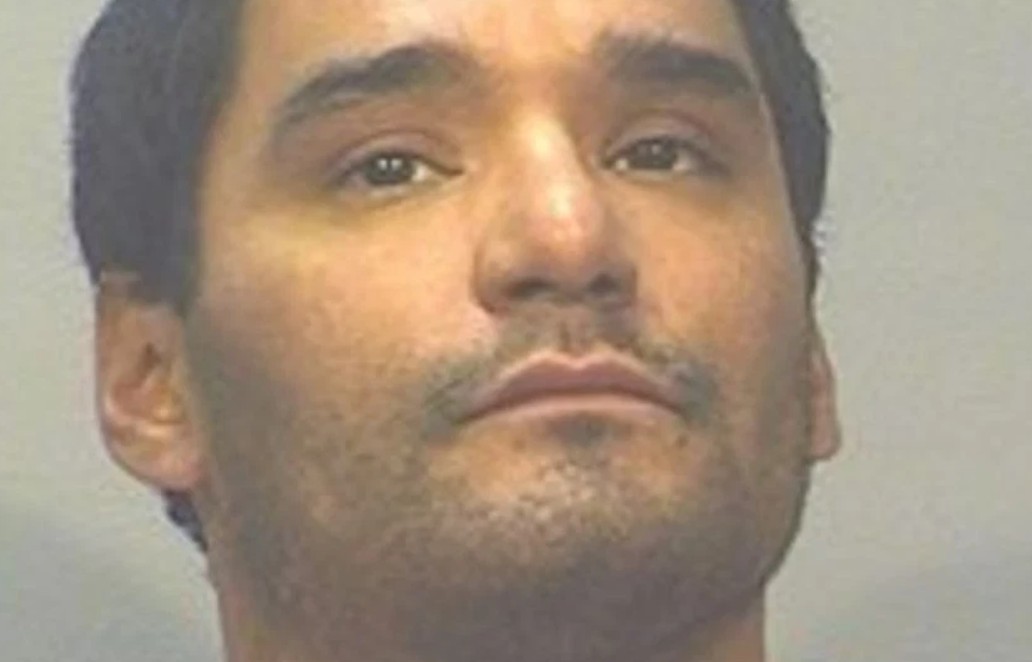
Joseph Mendoza was killed on April 8 at Salinas Valley State Prison in Soledad, California. According to court documents, two fellow inmates repeatedly drove improvised weapons into Mendoza’s back in a sustained and violent assault that left him fatally wounded. The disturbing footage of the killing, which circulated widely online, has become central to a legal battle that now pits Mendoza’s grieving family against the state.
A Brutal Attack Caught on Camera and Video
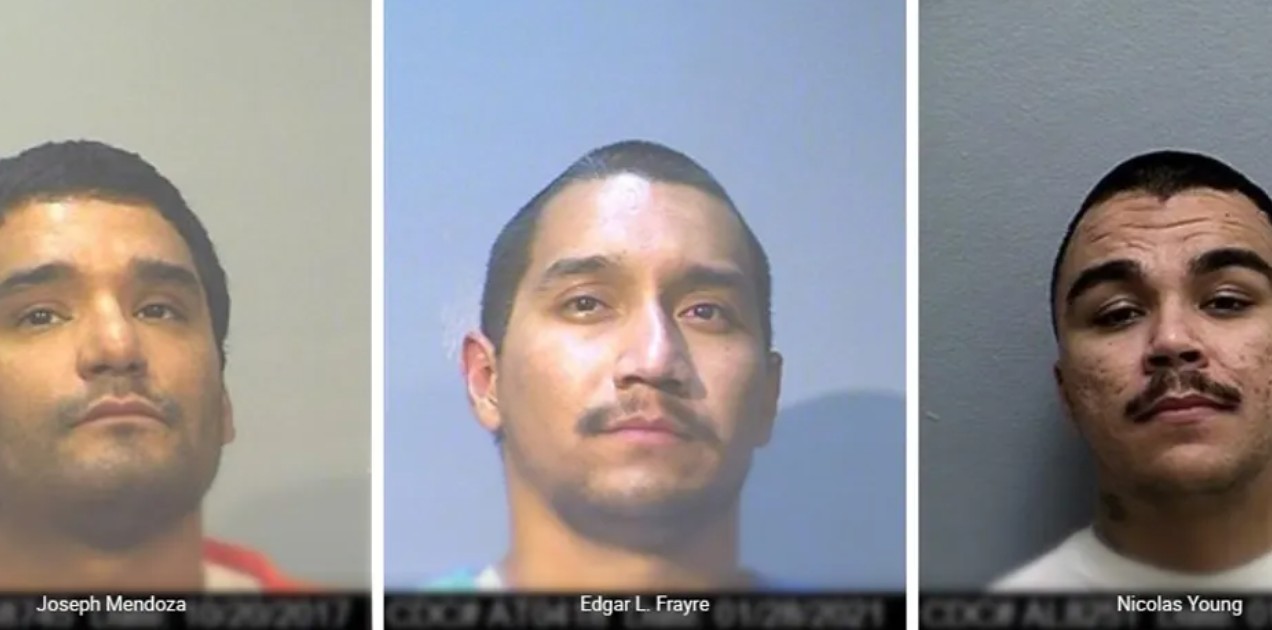
The fatal assault occurred around dinner time inside the prison. Authorities identified the attackers as Edgar Frayre, 30, and Nicolas Young, 32 both serving lengthy sentences for violent crimes.
Man Stabbed 180 Times Video
Video of the incident, later provided by Mendoza’s attorneys, allegedly shows the two men attacking him together. The footage depicts Frayre and Young pouncing on Mendoza and repeatedly stabbing him with makeshift knives, commonly referred to as “shanks.” Legal filings state that Mendoza was stabbed nearly 180 times during the attack.
The sheer number of wounds underscores the severity and prolonged nature of the violence. The lawsuit alleges that the assault unfolded in full view of correctional officers who failed to intervene quickly enough to save Mendoza’s life.
The Viral Leak and Public Outrage
After the killing, video of the attack was leaked to social media platforms, where it garnered thousands of views. Attorneys representing Mendoza’s family claim that the leak originated from within the prison system, possibly from correctional staff.

The circulation of the graphic footage has added another layer of trauma for Mendoza’s family. Beyond the brutality of the killing itself, the public dissemination of the video has raised serious ethical concerns about professionalism and security within the prison system.
At a news conference, one of Mendoza’s attorneys, Bryan Harrison, sharply criticized prison staff and called for accountability. He argued that not only did officers fail to act during the assault, but they also allowed or participated in the release of the video.
“All of the officers involved should be summarily fired,” Harrison told reporters, emphasizing the family’s demand for consequences.
The Federal Lawsuit
Filed in December in the U.S. District Court for the Northern District of California, the lawsuit accuses CDCR officials of acting with “deliberate indifference” to Mendoza’s safety. In legal terms, deliberate indifference refers to a conscious or reckless disregard for a person’s constitutional rights in this case, the Eighth Amendment protection against cruel and unusual punishment.
According to the complaint, correctional officers “stood by and observed as [Mendoza] was butchered and left to die.” The suit further alleges that prison staff failed to provide timely or adequate medical care after the attack, including basic life-saving measures.
The family’s legal team argues that even if officers could not immediately prevent the attack, they had a constitutional duty to intervene promptly and to render appropriate medical aid. Their failure to do so, the lawsuit claims, contributed directly to Mendoza’s death.
Both sides have requested a jury trial, setting the stage for a potentially high-profile courtroom battle.
The State’s Response
The California Department of Corrections and Rehabilitation has disputed the allegations. In a news release issued after the killing, the department stated that staff responded immediately to the assault.
According to CDCR, officers issued “several verbal commands to stop,” which were ignored by the attackers. Staff then deployed “multiple less-than-lethal use-of-force options,” ultimately bringing the incident under control. Frayre and Young were secured in handcuffs shortly afterward.
In a January 29 legal response to the lawsuit, California Attorney General Rob Bonta acknowledged that Mendoza was killed after being repeatedly stabbed with makeshift weapons. However, Bonta denied any wrongdoing on the part of the prison or its staff.
The state’s position is that correctional officers acted appropriately under the circumstances and followed established procedures in responding to the emergency.
The Background of Those Involved
Joseph Mendoza was serving a 22-year sentence for robbery and attempted murder at the time of his death. While incarcerated, he received an additional four years for possession and manufacture of a deadly weapon by a prisoner and battery on a non-prisoner.

Edgar Frayre, one of the alleged attackers, was serving a 50-year sentence for voluntary manslaughter and participation in a criminal street gang. Nicolas Young was serving 25 years for attempted murder and had received an additional 11 years for attempted murder committed while incarcerated.
The violent histories of the attackers have led to questions about inmate classification, housing assignments, and whether adequate steps were taken to prevent foreseeable violence within the facility.
Ongoing Investigation and Potential Charges
Following Mendoza’s death, Frayre and Young were placed in restricted housing pending an investigation. The prison’s Investigative Services Unit and the Monterey County District Attorney’s Office are reviewing the case to determine whether felony charges should be filed.
As of now, corrections officials have not provided an update on the status of the investigation. Attorneys for Frayre and Young could not immediately be reached for comment.
The outcome of the criminal investigation could significantly impact the civil lawsuit. A felony prosecution and potential convictions would formally establish criminal responsibility for the killing, but the civil case centers on whether prison officials also bear responsibility for failing to prevent it.
Legal and Constitutional Implications
At the heart of the lawsuit is the constitutional principle that incarcerated individuals retain certain rights, including protection from violence at the hands of other inmates. Courts have long held that prison officials can be held liable if they demonstrate deliberate indifference to a substantial risk of serious harm.
To succeed, Mendoza’s family must show that prison officials knew or should have known about a significant risk to his safety and failed to take reasonable measures to mitigate it.
Video evidence may play a crucial role in that determination. The footage could help jurors assess how quickly officers responded, what actions they took, and whether the response was adequate under the circumstances.
The case also raises broader concerns about prison staffing levels, response protocols, and the prevalence of improvised weapons inside correctional facilities.
Broader Questions About Prison Safety
Violence within prisons remains a persistent challenge across the United States. Facilities housing inmates with histories of violent offenses must balance security, staffing limitations, and constitutional obligations.
The presence of makeshift weapons in Mendoza’s killing underscores the ongoing issue of contraband and inmate weapon fabrication. Critics argue that repeated instances of prison violence reflect systemic shortcomings that require policy reform and greater oversight.
For Mendoza’s family, however, the case is deeply personal. Their lawsuit is not only about financial compensation but also about accountability and preventing similar tragedies in the future.
What Comes Next
With both sides requesting a jury trial, the case is likely to move into the discovery phase, where evidence including surveillance footage, internal reports, and staff communications may be scrutinized in detail.
Possible outcomes range from a negotiated settlement to a full trial resulting in either damages awarded to the family or dismissal of the claims. A verdict against the state could prompt policy changes within CDCR and set precedent for future cases involving inmate safety.
As investigations continue and the legal battle unfolds, the death of Joseph Mendoza remains a stark reminder of the dangers within prison walls and the complex legal responsibilities of those tasked with maintaining order.
Whether the courts ultimately find deliberate indifference or lawful conduct, the case has already ignited debate about accountability, transparency, and the human cost of institutional failure.
News –