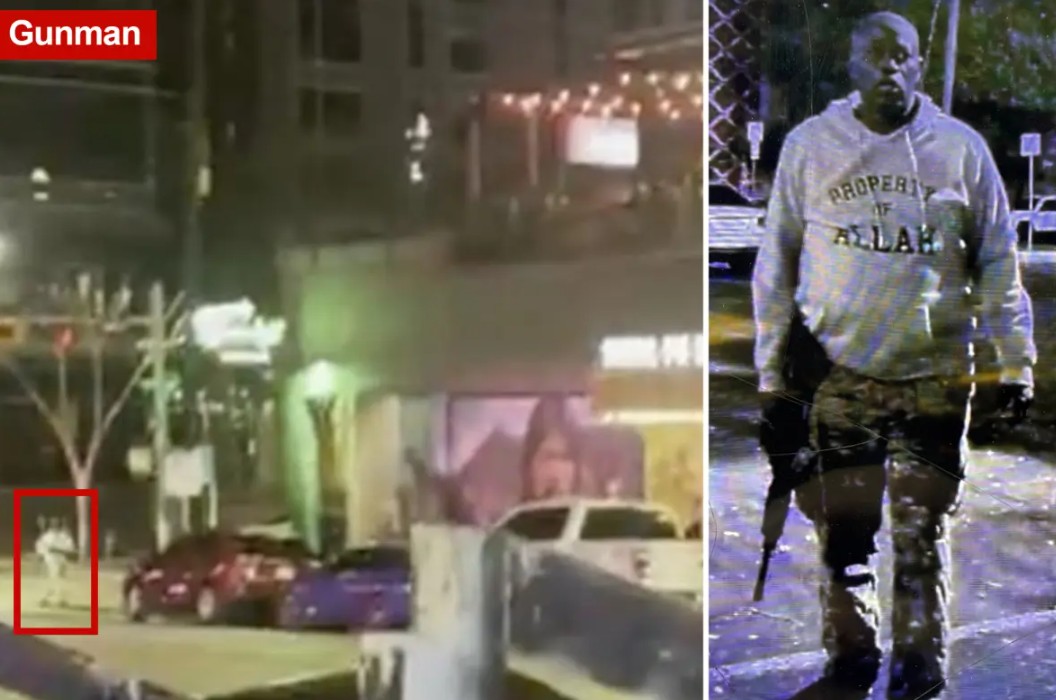

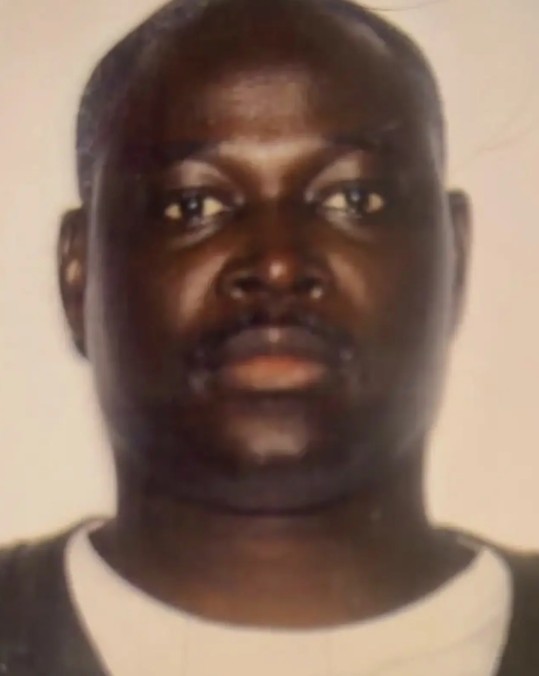
A night that began with celebration turned into chaos and tragedy in Austin early Sunday morning, when gunfire erupted in the heart of the city’s entertainment district. Among those caught in the terrifying ordeal was Nathan Comeaux, a 22-year-old senior at the University of Texas at Austin, who narrowly escaped the bullets before capturing on video the moment police shot and killed the suspected gunman.
The shooting left two people dead and fourteen others injured, shaking not only the downtown community but also the thousands of students who call the university home. For Comeaux and many others, the violence shattered a sense of security they once associated with a place that symbolized youth, friendship, and freedom.
A Celebration Interrupted and Full Video
Comeaux had been celebrating a friend’s 21st birthday at Buford’s, a popular bar on West Sixth Street known for drawing large crowds of UT students. On weekends, the street pulses with music and laughter, packed shoulder to shoulder with young people enjoying a break from classes and responsibilities.
Austin Shooting Full Video
“Buford’s is the place,” Comeaux said. “It’s really a UT bar. This is our community. This is where we go out and enjoy college.”
For many students, West Sixth is considered the safer stretch of the historic Sixth Street entertainment corridor. It is well-lit, heavily trafficked, and often patrolled by officers. The environment felt familiar and secure — until it didn’t.
Just minutes before the shooting began, Comeaux stepped out to grab pizza across the street. It was a casual decision, one that may have saved his life.
The First Sounds
Sitting down with his food, Comeaux heard what he initially thought were fireworks. The noise didn’t immediately trigger alarm.
“Nobody was panicking,” he recalled. “We’re on West Sixth, the safe part of Sixth Street.”
But the popping sounds didn’t stop.
As the gunfire continued, confusion gave way to fear. People began scrambling for cover, ducking behind vehicles and storefronts. Comeaux quickly crouched behind a nearby bench, trying to make himself as small as possible.
“I crouched behind a bench,” he said. “Then there was silence and everyone thought it was over.”
That brief pause created a false sense of relief. For a few seconds, it seemed like the danger had passed. But the damage had already been done.
Lives Lost and Shattered
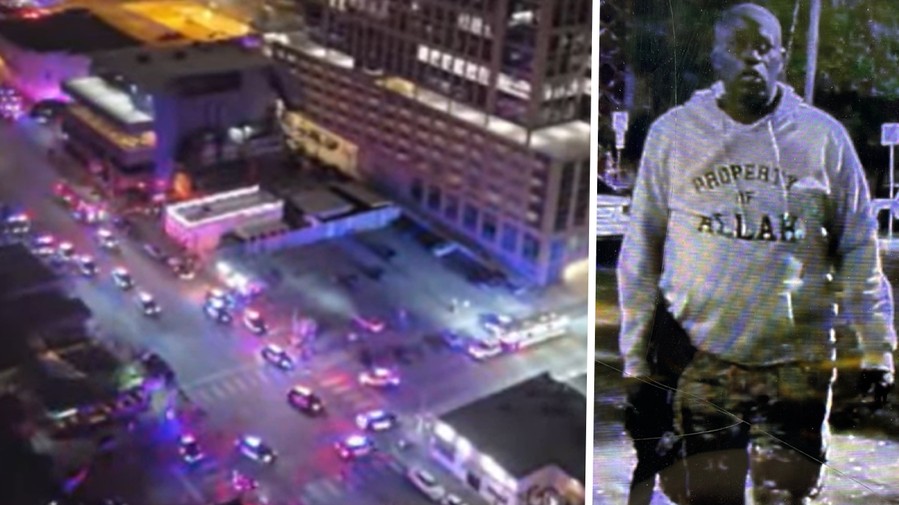
By the time the chaos subsided, fourteen people had been injured. Two victims were killed. The scale of the tragedy stunned witnesses who had been laughing and celebrating moments earlier.
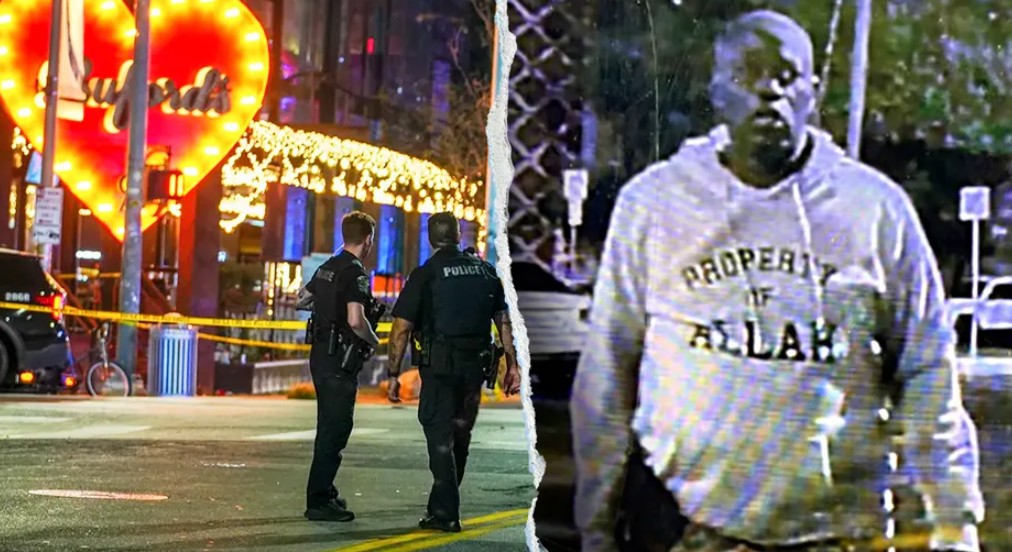
Ambulances and police vehicles flooded the area. Sirens pierced the night air as first responders worked quickly to secure the scene and provide aid to victims.
Officers with the Austin Police Department arrived rapidly, moving toward the threat. In the tense moments that followed, Comeaux began recording on his phone.
His video captured the instant when officers confronted and shot the suspected gunman, bringing the violent episode to an end. The footage, raw and immediate, reflects both the speed of law enforcement’s response and the gravity of the situation.
Despite the trauma of the event, Comeaux expressed gratitude toward the officers.
He thanked police for acting quickly and believes their swift response prevented further loss of life. At the same time, he offered condolences to the families of those killed and sympathy to the injured.
A Near Miss
In the days since the shooting, Comeaux has been grappling with how close he came to being among the victims.
“This was as near of a miss that I’ve come to in my life to being shot,” he said.
Had he not stepped out for pizza, he might have been directly in the line of fire inside the crowded bar. The realization has been difficult to process.
Traumatic events often leave survivors wrestling with a mix of gratitude and guilt — grateful to be alive, yet painfully aware that others were not as fortunate. For Comeaux, the emotional aftermath continues to unfold.
One of his close friends was shot during the incident. Fortunately, that friend was later discharged from the hospital. But even with physical recovery underway, emotional wounds remain.
“UT is a big school, but it’s a small community,” Comeaux said. “Everyone knows someone who was affected by this.”
The University of Texas at Austin enrolls tens of thousands of students, yet its social circles often overlap in ways that make tragedies feel intensely personal. News of the shooting spread rapidly across campus through text messages, social media posts, and group chats.
For many students, West Sixth had symbolized a rite of passage — a place to celebrate birthdays, the end of exams, and the milestones of early adulthood. The shooting disrupted that image overnight.
Students returning to classes are now carrying not only textbooks and laptops, but also the weight of anxiety and grief. Conversations that once centered on weekend plans have shifted to safety concerns and reflections on vulnerability.
The sense of invincibility often associated with youth has been replaced with a sobering awareness of risk.
Reconsidering Safety
In the wake of the shooting, questions about security on West Sixth Street have intensified. Though the area is generally regarded as safer than other nightlife districts, the incident exposed gaps that students hope will be addressed.
Comeaux believes increased police presence could make a difference. He hopes the Austin Police Department and Buford’s can work together to enhance security measures, particularly during peak hours when crowds are dense and movement is limited.
More visible patrols, coordinated safety plans, and stronger crowd management strategies are among the ideas circulating within the student community.
For many, the goal is not to eliminate nightlife — an integral part of college culture — but to ensure that spaces meant for celebration remain protected.
The Power and Burden of Witness
Comeaux’s video stands as a stark reminder of how quickly ordinary citizens can become chroniclers of extraordinary events. In an age where smartphones are ever-present, moments of crisis are often captured in real time.
While such footage can provide transparency and documentation, it can also be emotionally taxing for those who record it. Watching and rewatching scenes of violence can prolong trauma.
Comeaux did not set out to become a witness to history. He was simply a student celebrating a friend’s birthday. Yet within minutes, he found himself crouched behind a bench, documenting the end of a deadly confrontation.
The dual role of survivor and recorder is not an easy one to carry.
Moving Forward
As the semester continues, students at the University of Texas are attempting to regain a sense of normalcy. Counseling services and campus resources have become critical outlets for those struggling to process what happened.
Grief is not linear, and recovery takes time. But amid the sorrow, there is also resilience.
Students have rallied around the victims and their families, offering support and solidarity. The tragedy, while devastating, has also highlighted the strength of the campus community.
For Comeaux, the experience has fundamentally changed how he views a place he once considered unquestionably safe. The memory of that night — the sound of gunfire mistaken for fireworks, the scramble for cover, the flashing police lights — will not fade quickly.
Still, he remains hopeful that lessons will be learned and that steps will be taken to prevent similar violence in the future.
What was meant to be a simple birthday celebration became a defining moment for many young lives. In a matter of minutes, joy turned to fear, and routine turned to tragedy.
Yet even in the darkness of that night, there were acts of courage — from officers who rushed toward danger to friends who helped one another find safety.
For the UT community, the road ahead will involve healing, reflection, and a renewed commitment to protecting the spaces that bring them together.
News –


