Mexico has been plunged into one of its most volatile security crises in recent years following the death of Nemesio Oseguera Cervantes, better known as El Mencho. The feared cartel boss was killed during a high-stakes military operation supported by U.S. intelligence, triggering immediate and widespread retaliation across the country. What began as a targeted mission in the mountains of Jalisco quickly spiraled into a nationwide wave of violence, with burning vehicles, armed roadblocks, and attacks on public infrastructure spreading fear across at least a dozen states.
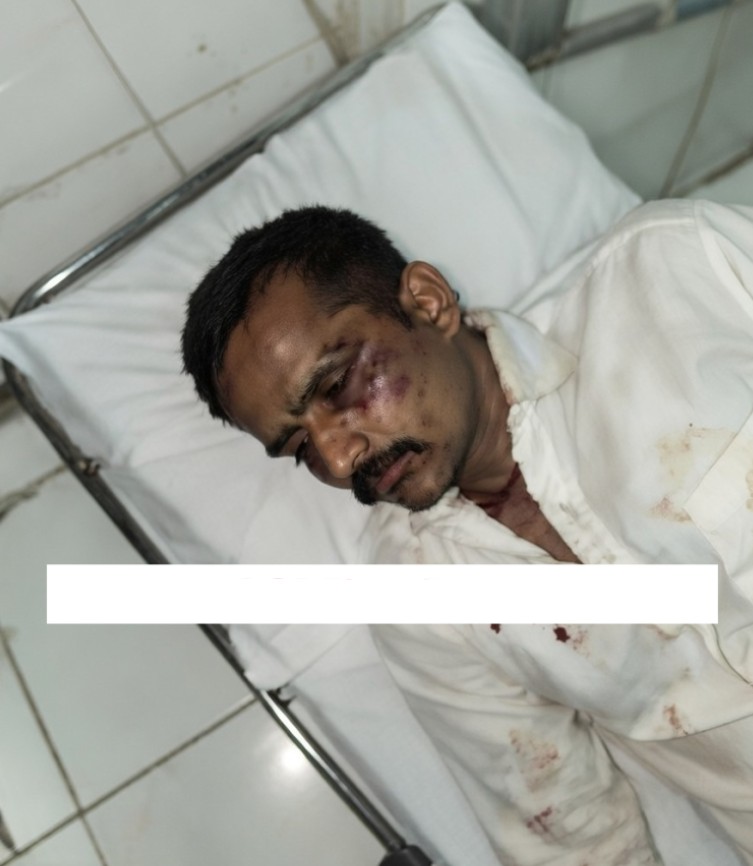
El Mencho’s death marks a historic moment in Mexico’s long and bloody war on drugs. Yet while authorities have described the operation as a major victory against organized crime, the aftermath reveals the fragile and dangerous reality of dismantling powerful criminal empires.
The Operation in Tapalpa and Video
The dramatic events unfolded in the town of Tapalpa, located in the western state of Jalisco, a region long considered a stronghold of the Jalisco New Generation Cartel (CJNG). According to Mexico’s defence ministry, the operation was meticulously “planned and executed” by special forces units. Intelligence support from the United States played a critical role in locating the elusive cartel leader.
Uncensored video of El Mencho’s death pushes Mexico into peak chaos
Clashes erupted when Mexican troops confronted El Mencho’s armed supporters. Heavy gunfire reportedly echoed through the mountainous terrain as cartel gunmen attempted to resist the capture attempt. During the confrontation, four CJNG members were killed, and three Mexican soldiers were injured. El Mencho himself sustained serious injuries and later died as a result of the fighting.
The United States had long considered El Mencho one of the most dangerous drug traffickers in the world. The U.S. State Department had offered a $15 million reward for information leading to his capture. As a former police officer turned cartel kingpin, the 59-year-old built a vast criminal empire that trafficked cocaine, methamphetamine, and especially fentanyl into the United States, fueling the opioid crisis.
Immediate Retaliation Across the Country
Within hours of news spreading about El Mencho’s death, violence erupted across multiple Mexican states. CJNG operatives launched coordinated retaliatory attacks, blocking highways with burning vehicles and setting up armed roadblocks designed to paralyze transportation routes.
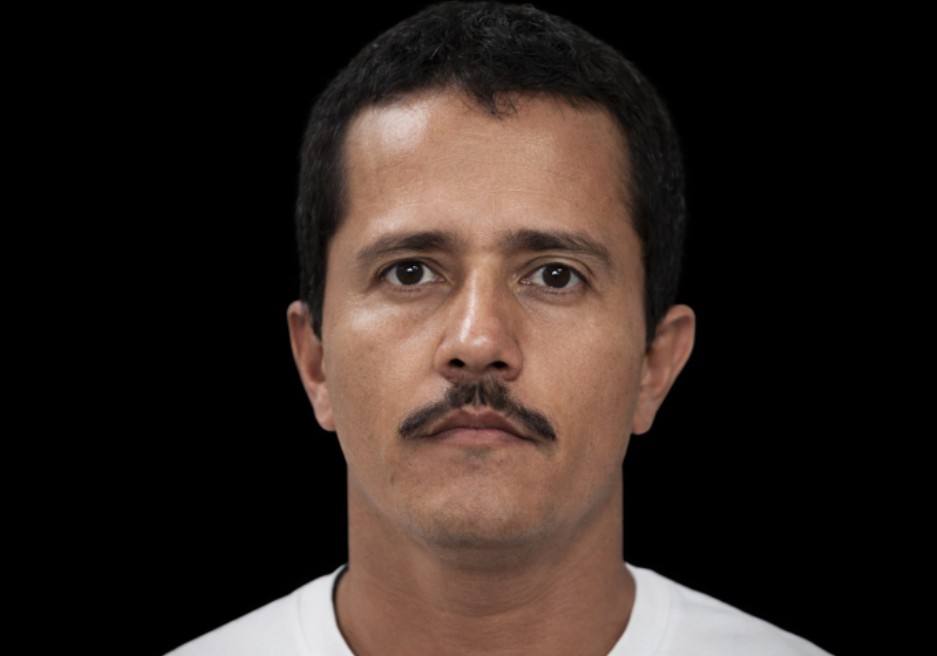
Reports indicated that approximately 250 roadblocks were established nationwide, including 65 in Jalisco alone. Smoke plumes rose over cities as vehicles were torched to obstruct major highways. Eyewitnesses shared videos of gunmen patrolling streets in pickup trucks, creating scenes reminiscent of open warfare.
Urban centers were not spared. In Guadalajara one of the host cities for the upcoming FIFA World Cup residents reported seeing smoke billowing above neighborhoods as chaos unfolded. The symbolic importance of Guadalajara heightened international concern, as the city is expected to welcome thousands of foreign visitors in the near future.
The violence extended beyond road closures. Shops were set ablaze, and around 20 bank branches were attacked during the unrest. Authorities reported widespread looting and vandalism. By the government’s latest count, 25 people were arrested 11 for alleged participation in violent acts and 14 for looting and pillaging.
Jalisco Under “Code Red”
Jalisco’s Governor, Pablo Lemus Navarro, responded by declaring a “code red” emergency in the state. Public transportation was suspended, mass events were canceled, and in-person school classes were halted. The measures underscored the seriousness of the threat and the government’s concern about maintaining public safety.
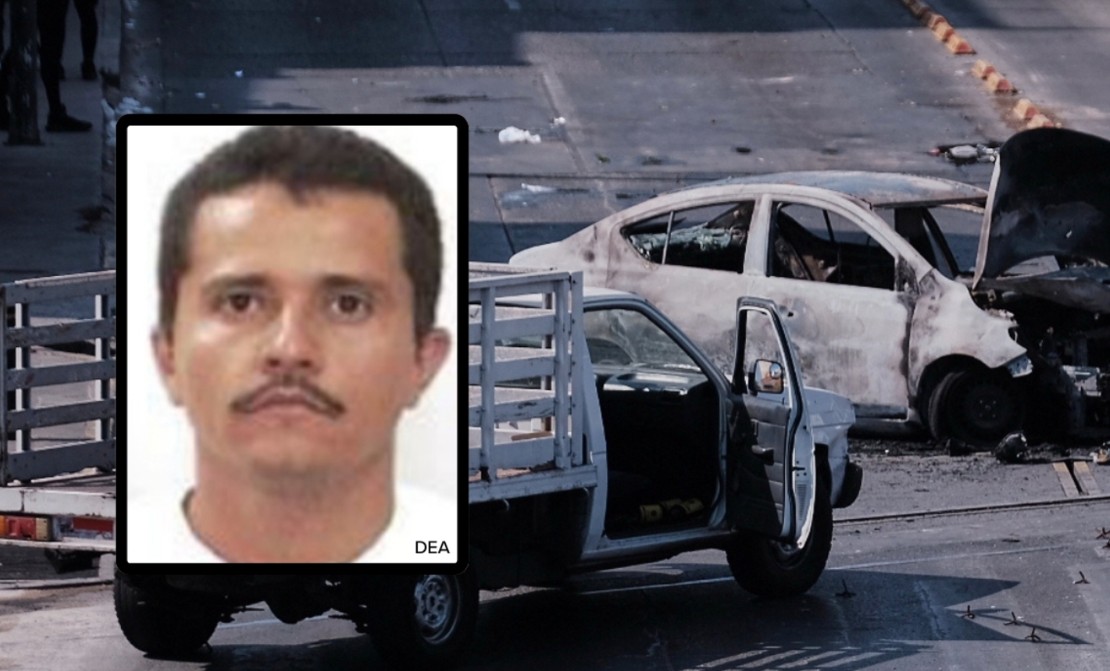
In Puerto Vallarta, a renowned beach resort destination, tourists described the atmosphere as resembling a “war zone.” Visitors reported hearing gunfire and seeing military patrols on major roads. The normally vibrant tourist town fell into an uneasy silence as businesses shuttered and travelers sought shelter indoors.
The crisis quickly rippled into the international travel sector. Major airlines including Air Canada, United Airlines, and American Airlines canceled flights to Jalisco amid safety concerns. The cancellations delivered an immediate economic blow to the region’s tourism industry, which relies heavily on foreign visitors.
National and International Responses
Mexico’s President Claudia Sheinbaum addressed the nation, emphasizing “absolute coordination” between federal and state authorities. She urged citizens to remain calm and stay informed, insisting that in most parts of the country daily life continued normally. Nevertheless, the scope of the unrest suggested the government faced a formidable challenge in containing cartel retaliation.
The United States reacted swiftly. U.S. Press Secretary Karoline Leavitt confirmed that American intelligence had supported the operation. She described El Mencho as a “top target” due to his central role in trafficking fentanyl into the United States.
The U.S. government issued shelter-in-place advisories for citizens in five Mexican states: Jalisco, Tamaulipas, parts of Michoacán, Guerrero, and Nuevo León. The warnings reflected fears that violence could escalate or spread further.
The United Kingdom also issued a travel advisory, noting “serious security incidents” in Jalisco and urging travelers to exercise extreme caution and follow local authority guidance.
The Rise and Power of El Mencho
El Mencho’s trajectory from local police officer to international drug kingpin illustrates the complexity of Mexico’s criminal underworld. After leaving law enforcement, he rose through the ranks of organized crime and eventually founded or consolidated control of CJNG, transforming it into one of the country’s most powerful and feared cartels.
Under his leadership, CJNG became notorious for its militarized tactics and brazen displays of force. The cartel expanded rapidly, challenging established criminal organizations and seizing territory across Mexico. Its operations extended far beyond national borders, shipping massive quantities of narcotics into the United States and other countries.
Fentanyl trafficking became a defining feature of CJNG’s operations in recent years. The synthetic opioid’s devastating impact on American communities intensified pressure on both governments to dismantle the organization’s leadership.
A Historic Blow or a Dangerous Escalation?
Security experts have described the operation as one of the most significant blows ever delivered to a major cartel leader. Mike Vigil, former Chief of International Operations for the U.S. Drug Enforcement Administration, called it “one of the most significant actions undertaken in the history of drug trafficking.”
However, history suggests that eliminating a cartel leader does not automatically end violence. Previous high-profile takedowns have often led to fragmentation, internal power struggles, and renewed bloodshed as factions compete for control.
The immediate nationwide retaliation underscores that CJNG remains a formidable force, even without its founder. Analysts warn that a leadership vacuum could trigger internal rivalries or provoke aggressive moves from rival cartels seeking to exploit the moment.
Implications for Mexico’s War on Drugs
The killing of El Mencho presents both an opportunity and a risk for Mexico’s security strategy. On one hand, removing a figure of such prominence disrupts the command structure of a powerful criminal network. On the other hand, it exposes the country to potential instability as remaining leaders attempt to consolidate power.
President Sheinbaum’s administration now faces the challenge of demonstrating that the operation represents lasting progress rather than a temporary tactical victory. Public confidence in security institutions depends on the government’s ability to prevent further large-scale violence.
Internationally, the operation highlights the depth of U.S.–Mexico cooperation in combating transnational crime. Yet it also underscores the interconnected nature of the fentanyl crisis, which continues to strain diplomatic relations.
A Defining Moment
The death of El Mencho is undeniably a watershed moment in Mexico’s struggle against organized crime. It symbolizes a rare and dramatic success in targeting a figure long considered untouchable. Yet the immediate eruption of violence reveals how deeply entrenched cartel networks remain.
Whether this marks the beginning of CJNG’s decline or the start of a new and more unpredictable phase of conflict remains uncertain. For now, Mexico stands at a crossroads celebrating the fall of a notorious kingpin while bracing for the turbulent consequences that follow.
Daily Hot News –