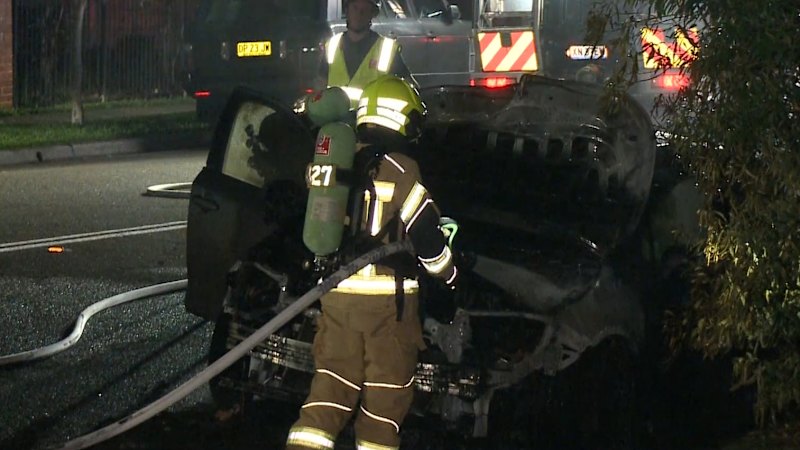
Mexico has been plunged into a new wave of violence following the death of one of the country’s most notorious drug traffickers, Nemesio Oseguera Cervantes, better known as “El Mencho.” The 59-year-old cartel leader was killed after being seriously injured during a security operation in the western state of Jalisco. His death has triggered widespread retaliation by his organization, setting off road blockades, arson attacks, and gun battles across multiple states.
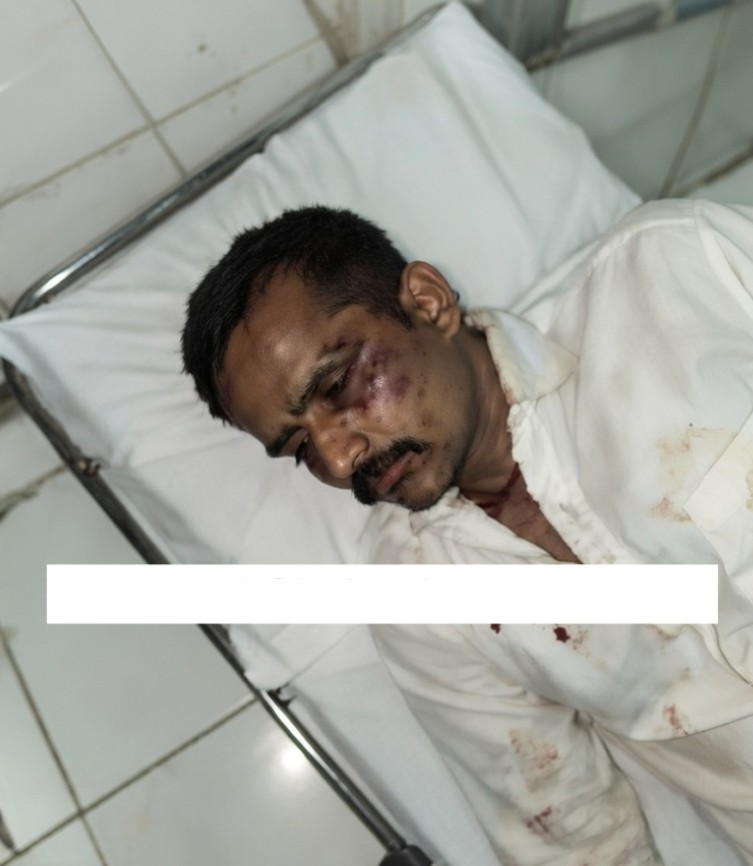
The operation, which involved Mexican special forces and intelligence support from the United States, marks one of the most significant blows to organized crime in recent Mexican history. However, it has also exposed the depth of cartel influence and the fragility of security in several regions of the country.
The Rise and Reign of El Mencho and Video
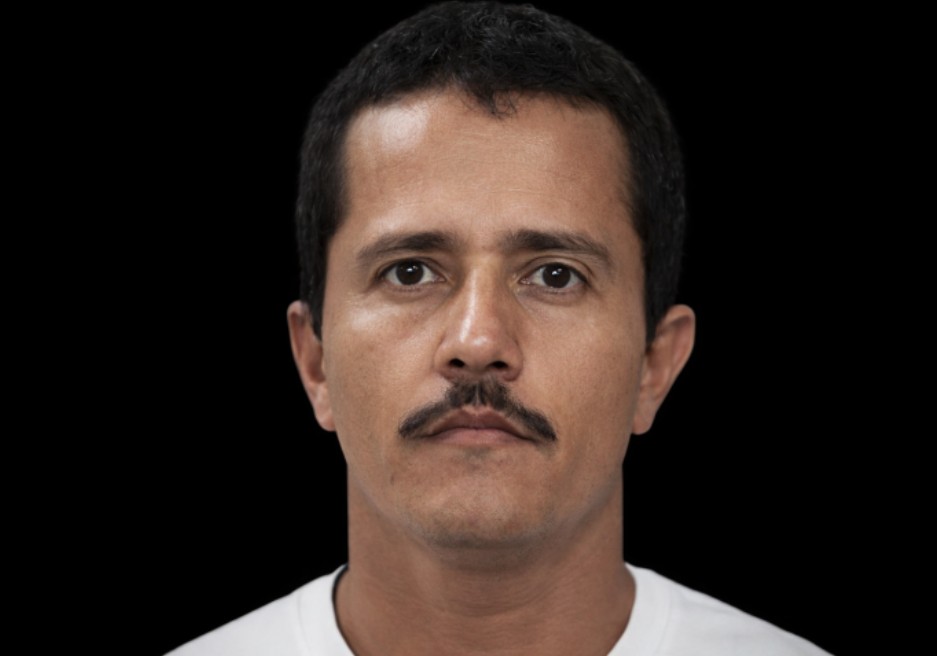
El Mencho led the powerful Jalisco New Generation Cartel (CJNG), one of Mexico’s most feared and rapidly expanding criminal organizations. A former police officer, he built CJNG into a transnational drug empire responsible for trafficking massive quantities of cocaine, methamphetamine, and fentanyl into the United States.
El Mencho Killed Video and the Death
Under his leadership, CJNG became known for its militarized tactics, sophisticated weapons, and brutal displays of force. The group expanded aggressively, challenging rival cartels and confronting government forces directly. Its dominance in strategic trafficking corridors made it a key player in the global drug trade.
The United States considered El Mencho one of its top targets. The US State Department had offered a $15 million reward for information leading to his capture. For years, he managed to evade authorities, solidifying his reputation as one of the most elusive and dangerous drug lords of his generation.
The Operation in Tapalpa
The decisive operation took place in Tapalpa, a town in Jalisco state. According to Mexico’s defence ministry, the mission was carefully “planned and executed” by special forces units. US intelligence reportedly provided crucial information that helped locate the cartel leader.
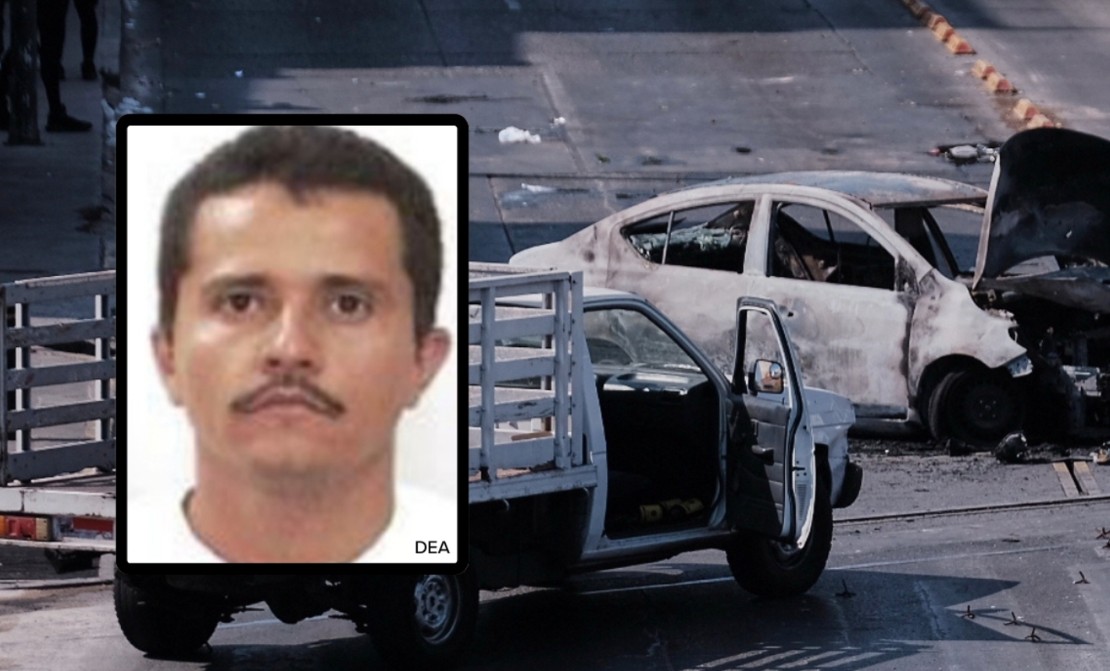
The confrontation quickly escalated into armed clashes between CJNG gunmen and the Mexican army. Four cartel members were killed during the operation, and three soldiers were injured. El Mencho himself was seriously wounded in the fighting and later died.
US Press Secretary Karoline Leavitt described him as a “top target” for both governments due to his role in fentanyl trafficking into the United States. The operation demonstrated an unprecedented level of coordination between Mexican and US authorities in the fight against organized crime.
Former DEA official Mike Vigil characterized the mission as one of the most significant actions ever undertaken in the history of drug enforcement, underscoring the scale of El Mencho’s criminal enterprise.
Cartel Retaliation and Nationwide Chaos
The aftermath was immediate and explosive. Within hours of confirmation of El Mencho’s death, CJNG launched coordinated retaliation across multiple states.
Gunmen set up roadblocks using burning vehicles, effectively paralyzing transportation routes. Approximately 250 roadblocks were reported nationwide, including at least 65 in Jalisco alone. Though authorities later reduced the number of active blockades, the disruption was severe.
Shops were set ablaze, and roughly 20 bank branches were attacked. Eyewitness footage showed thick plumes of smoke rising above cities, including Guadalajara, one of Mexico’s largest urban centers and a host city for the upcoming FIFA World Cup.
Reports of armed men patrolling streets intensified fear among residents. In some areas, daily life ground to a halt as families sheltered indoors, uncertain about the scale of the violence.
Impact on Tourism and Major Cities
The violence extended to popular tourist destinations. Visitors in Puerto Vallarta described the normally vibrant resort town as resembling a “war zone.” Hotels reported guests staying inside as authorities struggled to restore order.
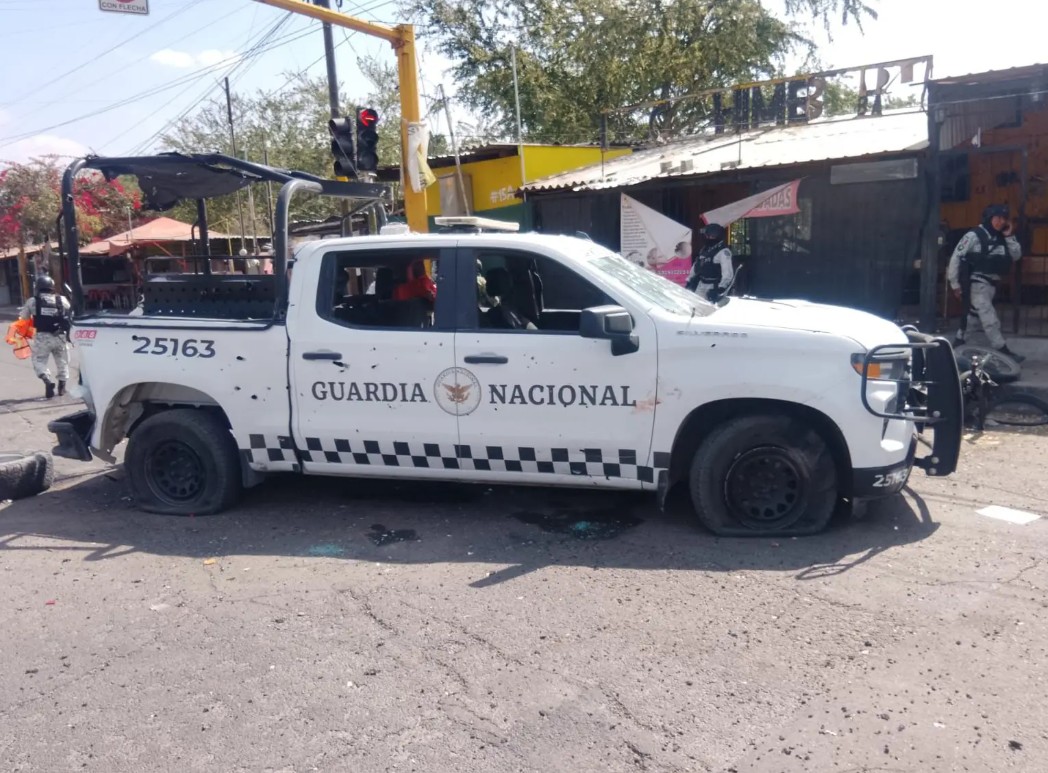
Jalisco Governor Pablo Lemus Navarro declared a code red across the state. Public transport was suspended, mass events were cancelled, and in-person classes were paused as a precaution.
International travel was also affected. Several airlines, including Air Canada, United Airlines, and American Airlines, cancelled flights to Jalisco amid security concerns.
The disruptions dealt a blow not only to public safety but also to Mexico’s tourism sector, a key pillar of its economy.
Government Response and Arrests
Mexican President Claudia Sheinbaum sought to reassure the public, stating there was “absolute coordination” between federal and state authorities. She urged citizens to remain calm and stay informed, emphasizing that most parts of the country were functioning normally.
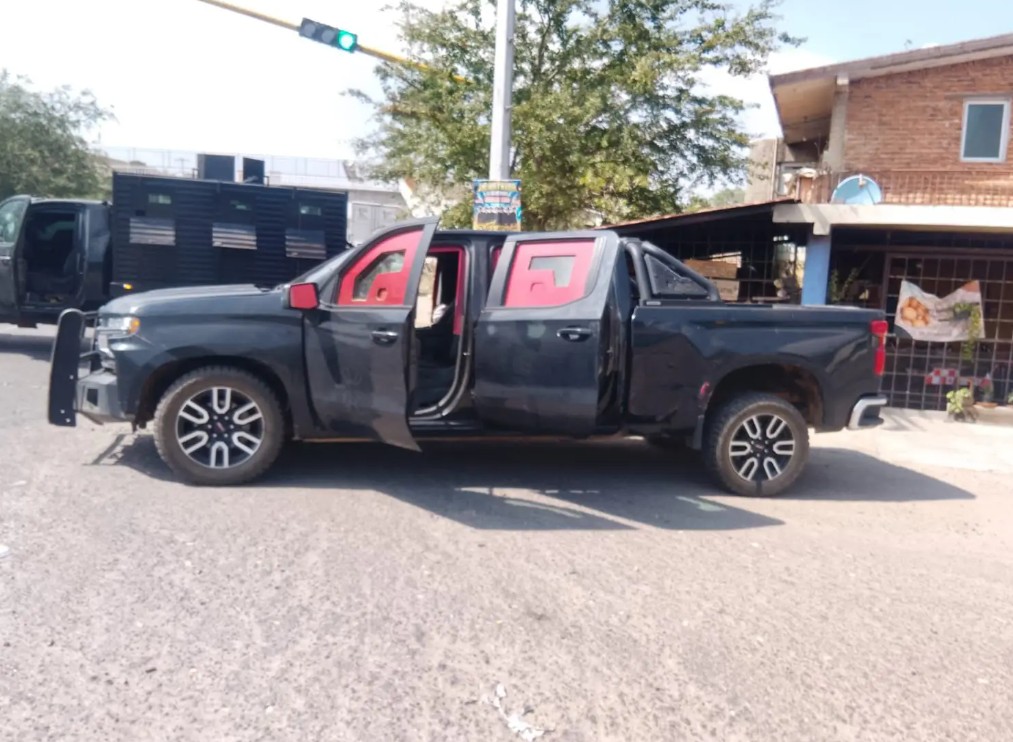
The Mexican Security Cabinet reported that 25 people had been arrested in connection with the unrest—11 for alleged participation in violent acts and 14 for looting and pillaging. Authorities gradually reduced the number of active blockades in Jalisco to four.
The rapid deployment of security forces helped contain some of the immediate chaos. However, the scale of the retaliation underscored the operational strength and territorial reach of CJNG.
International Warnings and Diplomatic Implications
The violence prompted swift international reactions. The United States issued shelter-in-place warnings for its citizens in Jalisco, Tamaulipas, parts of Michoacán, Guerrero, and Nuevo León.
The United Kingdom government also warned of “serious security incidents” in Jalisco and advised travelers to exercise extreme caution and follow local authorities’ guidance.
The operation’s reliance on US intelligence highlights the growing cross-border collaboration between Washington and Mexico City in combating drug trafficking. It also reflects the urgency of addressing fentanyl flows, which have fueled a public health crisis in the United States.
A Turning Point or the Start of a New Conflict?
While El Mencho’s death represents a major symbolic victory for authorities, questions remain about what comes next. Historically, the removal of powerful cartel leaders can lead to fragmentation and internal power struggles, sometimes intensifying violence rather than reducing it.
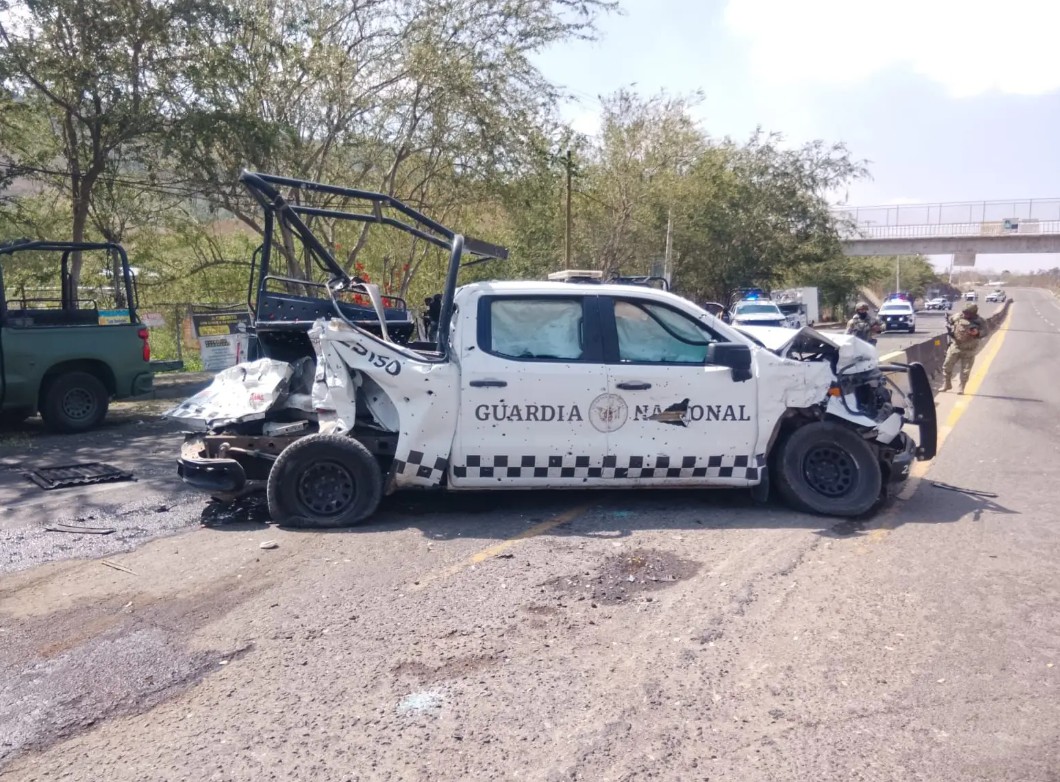
CJNG’s future leadership remains uncertain. A succession battle could destabilize territories under its control, potentially leading to clashes with rival organizations. Alternatively, the cartel may consolidate under new leadership and continue operations with minimal disruption.
Security analysts warn that while high-profile operations disrupt criminal networks, they rarely eliminate the structural drivers of organized crime, including poverty, corruption, and demand for illicit drugs.
The killing of Nemesio Oseguera Cervantes marks a defining moment in Mexico’s ongoing struggle against organized crime. The operation demonstrated unprecedented cooperation between Mexican and US authorities and removed one of the world’s most wanted drug traffickers from the global stage.
Yet the violent backlash that followed highlights the immense power and reach of the CJNG. Roadblocks, arson attacks, and gun battles across more than a dozen states serve as a stark reminder that dismantling cartel leadership does not automatically dismantle cartel infrastructure.
As Mexico moves forward, the challenge will be not only to maintain security but also to prevent further escalation. Whether this moment becomes a turning point in the fight against organized crime—or the beginning of another volatile chapter—will depend on sustained coordination, institutional resilience, and long-term strategies addressing the roots of cartel power.
For now, the country remains on high alert, navigating the fragile aftermath of one of the most consequential anti-cartel operations in its history.
News –