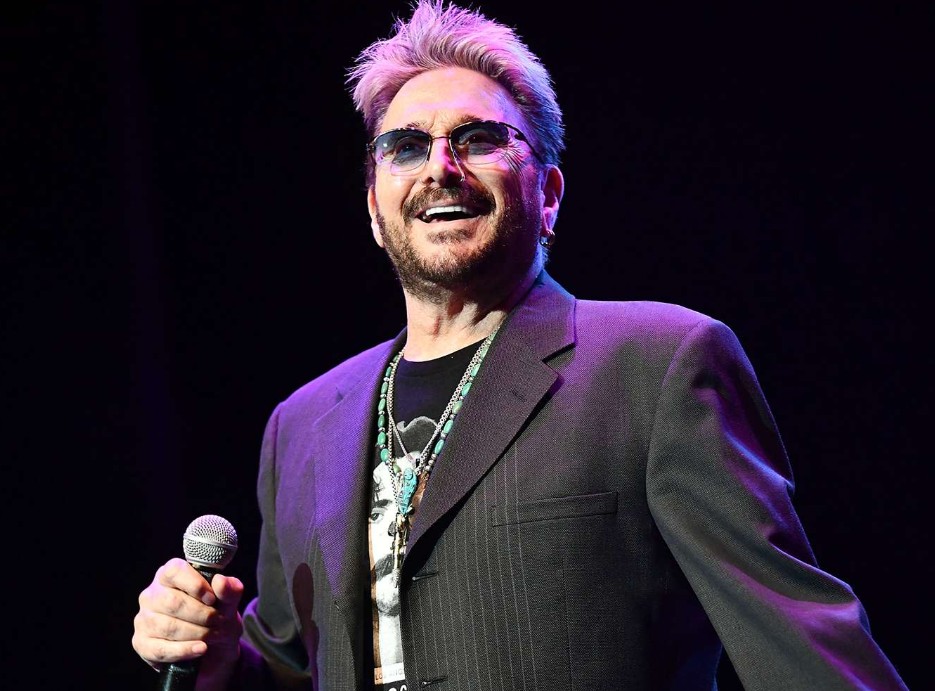
Chuck Negron, the unmistakable voice behind some of the most enduring hits of late-1960s and early-1970s rock, has died at the age of 83. As a founding member and lead vocalist of Three Dog Night, Negron helped power a string of chart-topping songs that defined an era, including “Joy to the World,” “One,” and “An Old Fashioned Love Song.” His soaring, emotional delivery became one of the most recognizable sounds on American radio during the band’s commercial peak.
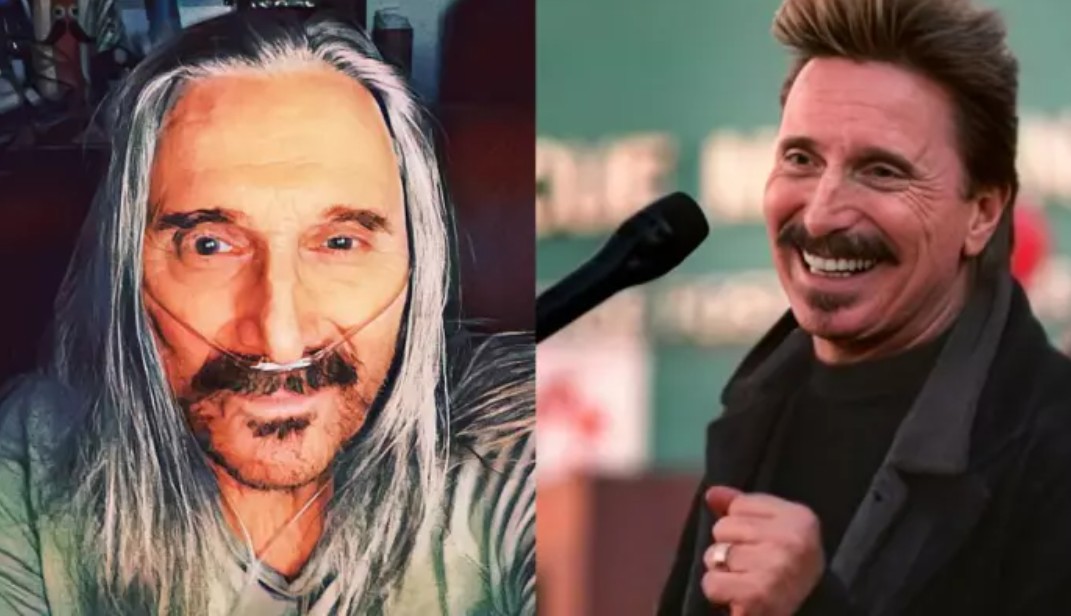
Negron died Monday at his home in the Studio City neighborhood of Los Angeles due to complications from heart failure and chronic obstructive pulmonary disease, according to his publicist, Zach Farnum. His passing marks the end of a life that mirrored the extremes of rock stardom itself extraordinary success, devastating personal collapse, and a hard-won redemption.
A Band That Defined an Era and Video
Three Dog Night emerged at a time when American rock music was undergoing rapid transformation. Formed in 1967, the group began as a vocal trio consisting of Chuck Negron, Danny Hutton, and Cory Wells. Drawing on roots in rhythm and blues, rock ’n’ roll, and urban doo-wop, the trio distinguished itself through intricate harmonies and emotionally charged lead vocals roles that Negron often carried with commanding intensity.
Close-up video of Chuck Negron’s final moments before his death
The band’s breakthrough arrived in 1969 with “One,” a song written by Harry Nilsson. The single became Three Dog Night’s first million-seller and announced the arrival of a major new force in popular music. Negron’s voice, raw yet controlled, gave the song its dramatic weight and instantly set him apart as one of the era’s great rock vocalists.
Chart-Topping Success and Cultural Impact
Following the success of “One,” Three Dog Night embarked on a remarkable run of hits that made them one of the most successful American bands of their time. Negron delivered lead vocals on several of the group’s most iconic songs, including “Joy to the World,” which became a cultural phenomenon and remains one of the best-selling singles in history. Other standout performances included “An Old Fashioned Love Song,” “Easy to Be Hard,” and “The Show Must Go On.”
The band’s broader catalog also featured classics such as “Mama Told Me (Not to Come),” “Black and White,” “Never Been to Spain,” and “Shambala.” Collectively, these songs dominated radio playlists and helped Three Dog Night become one of the most frequently played bands on American airwaves during the early 1970s.
In December 1972, the group reached another cultural milestone when they hosted and performed on the inaugural edition of Dick Clark’s “New Year’s Rockin’ Eve.” By that point, Three Dog Night was not just successful they were emblematic of mainstream American rock.
Fame’s Dark Side
Behind the scenes, however, Negron’s life was unraveling. As the band’s fame skyrocketed, so did his drug use. The pressures of constant touring, recording, and public expectation took a heavy toll, and Negron turned increasingly to substances to cope. What began as excess soon became addiction.
At the height of his success, Negron spent much of his fortune on drugs. His addiction ultimately stripped him of financial stability, personal relationships, and professional security. At one of his lowest points, he found himself living on Los Angeles’ Skid Row a staggering fall for a man whose voice once dominated the charts.
Decline and Breakup
By the mid-1970s, Three Dog Night’s momentum began to slow. Album sales declined, and in 1975 the band scored its final Billboard Hot 100 hit with “Til the World Ends.” Internal conflicts, creative disagreements, and personal struggles fractured the group, leading to its breakup in 1976.
The band reunited in 1981, raising hopes for a sustained comeback. Negron initially returned to the fold, but his ongoing struggles with substance abuse proved too damaging. In late 1985, he was dismissed from the band due to recurring drug issues, deepening rifts between him and his former bandmates particularly Danny Hutton.
Sobriety and a Second Chance
Negron’s turning point came in 1991, when he finally achieved sobriety after numerous stints in rehabilitation. Free from addiction, he began the long process of rebuilding his life and career. Unlike many artists whose post-addiction years fade into obscurity, Negron carved out a meaningful and productive second act.
Between 1995 and 2017, he released seven solo albums, showcasing a more reflective and mature artist while retaining the emotional power that had defined his earlier work. His performances during this period resonated deeply with audiences who saw his survival as a testament to resilience.
In 1999, Negron published his memoir, “Three Dog Nightmare,” an unflinching account of fame, addiction, and recovery. The book offered readers an honest look at the darker realities of rock stardom and reshaped public understanding of his troubled years.
Reconciliation and Reflection
For decades, Negron remained estranged from Danny Hutton, a relationship fractured by years of conflict and misunderstanding. In a quiet but deeply meaningful development, the two men reconciled last year, closing a painful chapter shortly before Negron’s death. Today, Hutton and guitarist Michael Allsup are the lone surviving members of Three Dog Night.
Early Life and Path to Music
Born Charles Negron II on June 8, 1942, in the Bronx, New York, Negron’s life was shaped early by instability. His parents divorced when he was just two years old, and music became both an escape and an identity. He began singing in doo-wop groups as a child, honing the vocal skills that would later define his career.
A basketball scholarship brought him to California State University, a move that relocated him to Los Angeles and altered his life’s trajectory. It was there that he began working in the music industry, eventually leading to the formation of Three Dog Night.
Later Years and Health Struggles
In his later years, Negron battled chronic obstructive pulmonary disease for more than three decades. Despite his illness, he continued touring for as long as his health allowed. The COVID-19 pandemic ultimately sidelined him permanently, marking the end of his performing career.
Family and Legacy
Chuck Negron is survived by his wife, Ami Albea Negron, and five children. Among them is Berry Oakley Jr., the son of Allman Brothers Band bassist Berry Oakley, who died in a motorcycle accident in 1972. Negron was previously married to Julia Negron, Oakley’s mother, and helped raise Berry Jr. from infancy, forming a lasting familial bond.
Negron’s legacy extends far beyond chart positions and album sales. His voice aching, powerful, and unmistakable helped define a generation of rock music. More than that, his life story stands as a stark reminder of the costs of fame and the possibility of redemption.
From the heights of superstardom to the depths of addiction and back again, Chuck Negron lived a life as dramatic as the songs he sang. In the end, he leaves behind not only a catalog of timeless music, but also a story of survival, forgiveness, and second chances that continues to resonate.
News –