

Students at the University of Queensland received a rude shock ahead of their first classes on Monday, with in-semester exam timetables extended to Friday nights and Sundays.
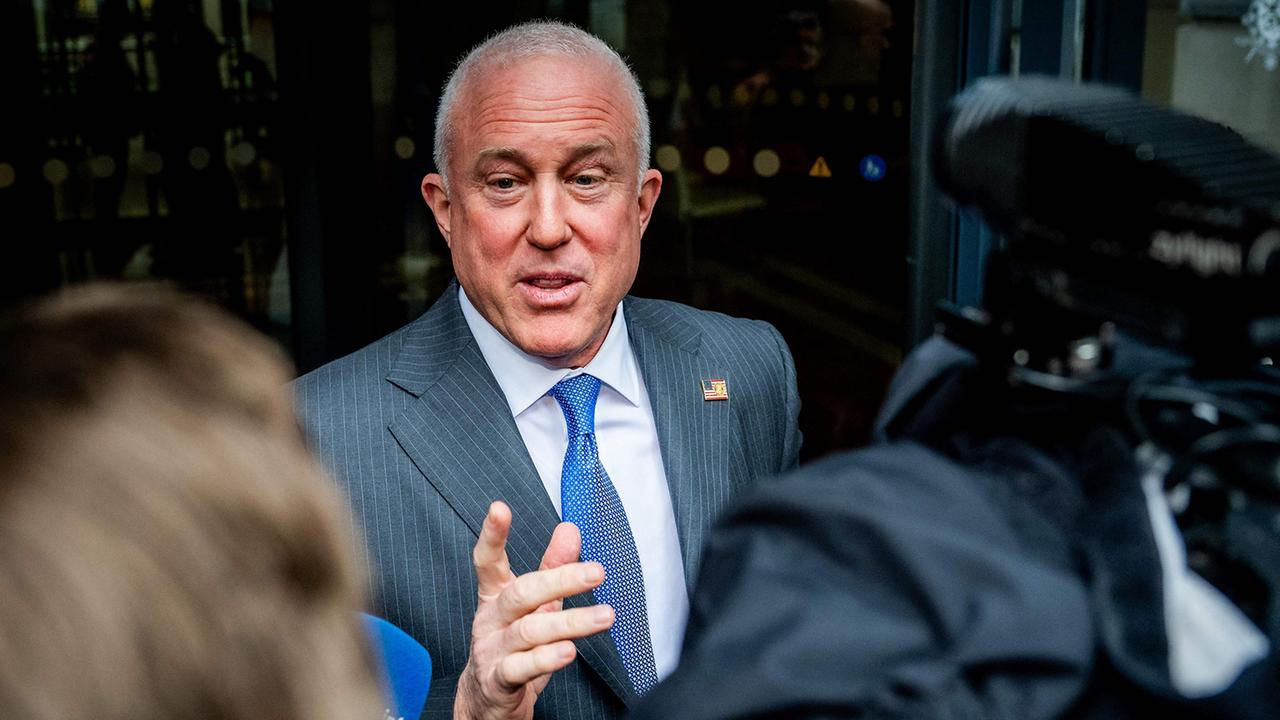
A memo sent to students pointed to the need for more in-person exams, which Deputy Vice-Chancellor Professor Kris Ryan attributed to the increasing use of artificial intelligence.
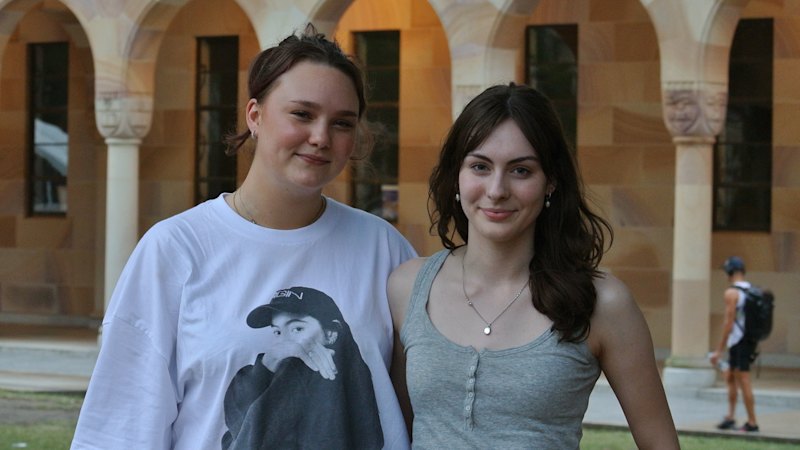
First-year music and law students Ciara and Izzy said discussions among fellow students online had centred on the desire to confine university attendance to weekdays.
“I guess the growing trend is that it’s not any more, but people need to work, people need time off, and I agree with all of that,” Ciara said.
“They were pretty upset [online] that some of the exams were being held over the weekend.”
The in-semester exams – which are held in addition to end-of-semester testing – precede larger assessment tasks in the middle of the year, and were previously held between Monday and Saturday.
Under the new timetable, exams could be scheduled as late as 7.15pm on Fridays, Saturdays and Sundays, or as early as 8am on all three days.
The memo sent to students said there would be a “significant increase in the number of in-semester examinations”. In semester one, this would include two complete weekends across March and April, and Saturday, May 2.
Second-year advanced humanities student Ethan said the change reduced flexibility across those weekends.
“Last year, I had in-semester exams for all my subjects, and I think a lot of people have professors and teachers who have said there’s going to be an increase in exams,” Ethan said.
The deputy vice-chancellor said the AI response formed part of teaching redesigns for all of the university’s courses.
“As part of this change, we are moving to more in-person, secure assessments,” Ryan said.
“We understand that extending these times may create challenges for some students.”
He said the University of Queensland was prepared to work with students to offer support and ensure the expanded timetable did not disadvantage them.
The institution was also “actively exploring longer-term approaches to better accommodate the increasing need for in-person exams”.
Professor Niusha Shafiabady, head of the Australian Catholic University’s information technology discipline, said in-person exams were an “interim solution” to AI.
“The problem, when the assessment can be tackled with AI so easily, might be that the assessment itself is not authentic,” Shafiabady said.
“It’s not really measuring the student’s learning and the thinking process.”
Parts of the higher education sector, Shafiabady said, had remained reluctant to use the technology, despite ethical AI use being a teachable skill.
“We are not avoiding AI any more, and I don’t think anybody is, but there is still the kind of fear about AI,” she said.
“We think AI is a magic box, and we think it’s something we don’t understand.”
Start the day with a summary of the day’s most important and interesting stories, analysis and insights. Sign up for our Morning Edition newsletter.