The British Academy Film Awards (BAFTAs) have long been regarded as one of the most prestigious nights in global cinema, celebrating artistic excellence and creative achievement. This year’s ceremony, held Sunday evening at London’s Royal Festival Hall, was expected to spotlight major film accomplishments and rising talent. Instead, the event became the center of an unexpected controversy after a guest shouted a racial slur and other profanities during the televised ceremony language that was later broadcast unedited.
The incident quickly sparked debate not only about broadcast responsibility but also about disability awareness, public understanding of Tourette syndrome, and the delicate balance between harm and intent.
The Moment That Sparked Controversy and Video
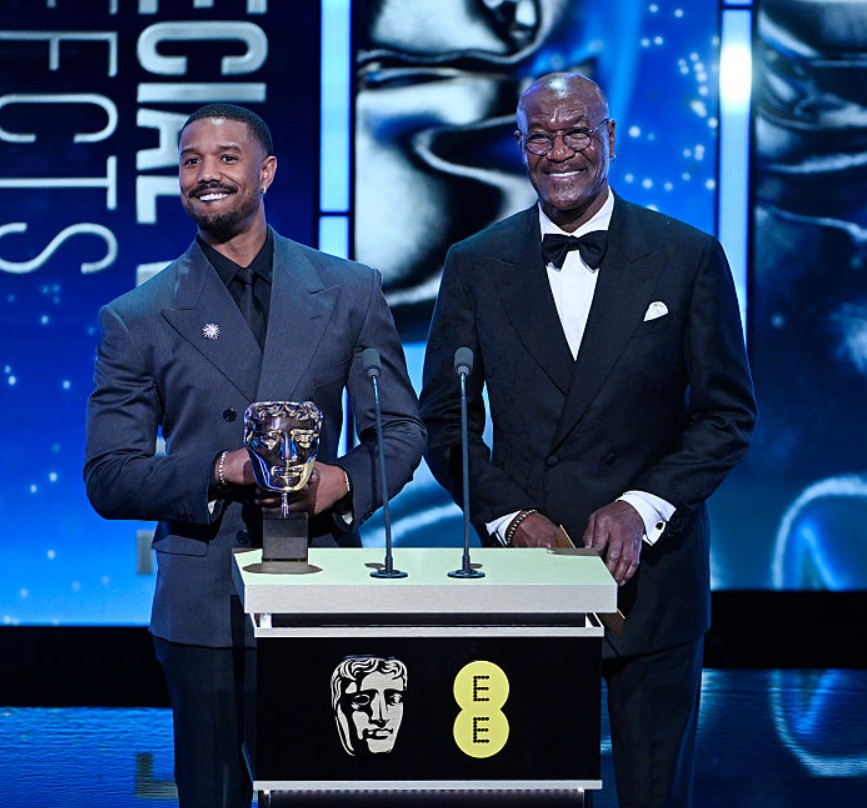
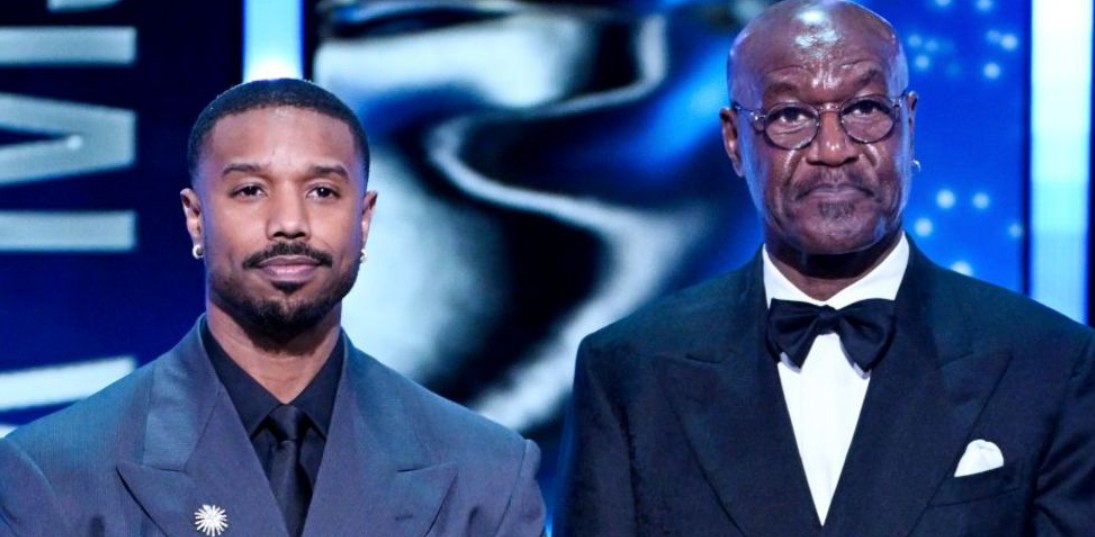
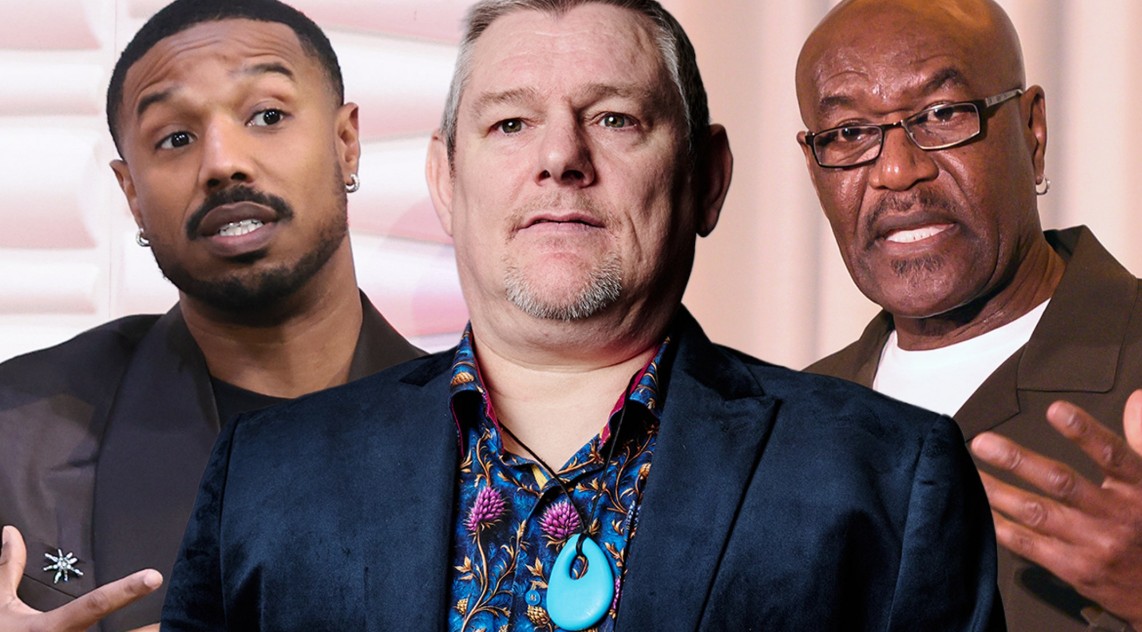
The outburst occurred while actors Michael B. Jordan and Delroy Lindo were on stage presenting the award for Visual Effects. As the presenters addressed the audience, a voice from within the auditorium loudly shouted the n-word, followed by additional insults and profanity at various points during the evening.
BAFTA N Tourette Full Video
The source of the outbursts was later identified as John Davidson, a guest at the ceremony and the real-life inspiration behind the biographical film I Swear, which chronicles his life with Tourette syndrome.
Jordan and Lindo did not visibly react to the slur in the moment, maintaining composure and professionalism as they continued with the presentation. Their restraint was later praised by organizers.
What might have remained an uncomfortable in-room moment became a national controversy because the BAFTAs are broadcast on a tape delay. Despite the delay which typically allows time for editing the offensive language was not removed from the televised version.
The Broadcast Decision
In the United Kingdom, the ceremony aired on BBC, including on BBC One, while U.S. audiences could view the event on E!. The slur was audible in these broadcasts. Furthermore, the unedited version was initially made available on the BBC’s streaming platform, BBC iPlayer.
Because the BAFTAs are not aired live but rather with a delay of approximately two hours, many viewers questioned why the language had not been removed before broadcast. The presence of the slur one widely recognized as carrying deep historical trauma and racial harm intensified public criticism.
The following day, the BBC issued a written statement acknowledging the error. The broadcaster explained that the language arose from involuntary verbal tics associated with Tourette syndrome and was not intentional. Nevertheless, it apologized for failing to edit the slur prior to transmission and confirmed that the archived version on BBC iPlayer would be updated to remove the offensive language.
The situation raised difficult questions: Should the BBC have edited the moment regardless of context? Does transparency justify airing harmful language? And how should broadcasters navigate situations involving medical conditions that can produce socially unacceptable speech?
John Davidson and “I Swear”
At the center of the controversy is John Davidson, who has lived with Tourette syndrome and has spent years advocating for better understanding of the condition. His life story inspired the film I Swear, which received six BAFTA nominations and won two awards during the ceremony.
The film’s star, Robert Aramayo, earned a leading actor award for portraying Davidson. Aramayo also won the EE Rising Star Award, marking a significant milestone in his career.
In his acceptance speech, Aramayo directly addressed the broader context of the evening. He described Davidson as “the most remarkable man I’ve ever met” and emphasized that people living with Tourette syndrome need public support and understanding. His remarks shifted the tone from shock to reflection, encouraging viewers to consider the human story behind the headlines.
Understanding Tourette Syndrome
Tourette syndrome is a neurodevelopmental disorder characterized by involuntary movements and vocalizations known as tics. These can range from subtle throat-clearing sounds to sudden physical gestures or shouted words.
According to the Tourette Association of America, between 10 and 15 percent of people living with Tourette syndrome experience vocal tics that may include socially inappropriate language, a phenomenon known as coprolalia. These vocalizations can involve swearing or, in rare cases, racial or offensive slurs.
Medical experts stress that such utterances are involuntary. They do not reflect the beliefs, values, or intentions of the individual. For many people with Tourette syndrome, the possibility of saying something inappropriate in public can cause anxiety and social isolation.
BAFTA’s official statement underscored this distinction. The organization clarified that Tourette syndrome causes involuntary verbal tics beyond the individual’s control and that these tics are not a reflection of personal beliefs or intentional harm.
However, acknowledging lack of intent does not erase the emotional impact of hearing a racial slur. This tension between medical explanation and social harm became central to public reaction.
BAFTA’s Apology and Response
On Monday, BAFTA released a detailed written apology. The organization acknowledged that guests heard “very offensive language that carries incomparable trauma and pain for so many.” It specifically apologized to Michael B. Jordan and Delroy Lindo, who were on stage at the time of the outburst, as well as to all viewers affected.
BAFTA also noted that Davidson chose to leave the auditorium during the ceremony and watch the remainder from a separate screen. The statement thanked him for his “dignity and consideration of others” on what was meant to be a celebratory night recognizing a film based on his life.
The ceremony’s host, Alan Cumming, addressed the situation from the podium during the event itself. He acknowledged that viewers may have heard “strong and offensive language” and attributed the shouts to Davidson’s condition, offering an apology if anyone was offended.
These responses attempted to balance empathy for Davidson with accountability to audiences. Yet the incident sparked ongoing discussion about whether more proactive measures could have been taken.
Media Responsibility in a Delayed Broadcast
One of the most pressing questions concerns the responsibility of broadcasters in delayed programming. Tape delay exists precisely to allow for editing unexpected or inappropriate content. Critics argue that regardless of medical context, a racial slur should never be broadcast on national television.
Supporters of transparency counter that removing the moment might have led to confusion or speculation. Still, given the availability of time to edit, many media observers believe the BBC had both the opportunity and obligation to prevent the language from reaching viewers.
The broadcaster’s subsequent apology suggests recognition of that responsibility. By removing the slur from its streaming archive, the BBC signaled a commitment to preventing further harm.
The incident may prompt networks to revisit editorial protocols for award ceremonies and other large-scale events. Clearer guidelines could help ensure that context is preserved without amplifying harmful language.
A Broader Conversation About Disability and Public Perception
Beyond questions of media ethics, the controversy has ignited a broader discussion about disability awareness. High-profile moments such as the BAFTAs can either reinforce stigma or promote understanding.
Davidson’s advocacy work and the success of I Swear were meant to highlight resilience and education around Tourette syndrome. Instead, the involuntary nature of his condition collided with the reality of live public events.
For many disability advocates, the incident underscores the need for nuanced conversations. People can acknowledge the real pain caused by certain words while also recognizing that some utterances stem from neurological conditions beyond personal control.
Aramayo’s acceptance speech captured this complexity. By focusing on empathy and support, he reframed the evening not solely as a controversy but as an opportunity for greater awareness.
Moving Forward
The 2026 BAFTAs will likely be remembered as much for this incident as for the awards themselves. Yet the response from organizers, broadcasters, presenters, and actors demonstrates an effort to navigate an exceptionally delicate situation with dignity.
Michael B. Jordan and Delroy Lindo continued their presentation without escalation. Alan Cumming addressed the issue directly. BAFTA and the BBC issued apologies. And Robert Aramayo used his platform to call for compassion.
Ultimately, the controversy serves as a reminder that live cultural events exist at the intersection of art, humanity, and unpredictability. In moments when harm occurs even unintentionally institutions must respond transparently and responsibly. At the same time, society must strive to deepen its understanding of neurological conditions that remain widely misunderstood.
The BAFTAs are meant to celebrate storytelling. This year, an unscripted moment became part of that story one that challenges audiences to consider empathy, accountability, and the complexities of living with conditions that the public may not fully comprehend.
News –