Swiss franc banknotes in Lausanne, Switzerland, on Dec. 23, 2025.
Fabrice Coffrini | Afp | Getty Images
Ask an investor to name safe-haven currencies, and most will say the U.S. dollar, the Swiss franc, and the Japanese yen.
Investors historically expected them to hold their value during geopolitical or economic turbulence.
But more recently, these currencies have experienced volatility themselves. The dollar and yen saw sharp declines over 2025 and into 2026. The franc has strengthened, but this is challenging for a country with unusually low inflation and a reliance on exports.
Declining dollar
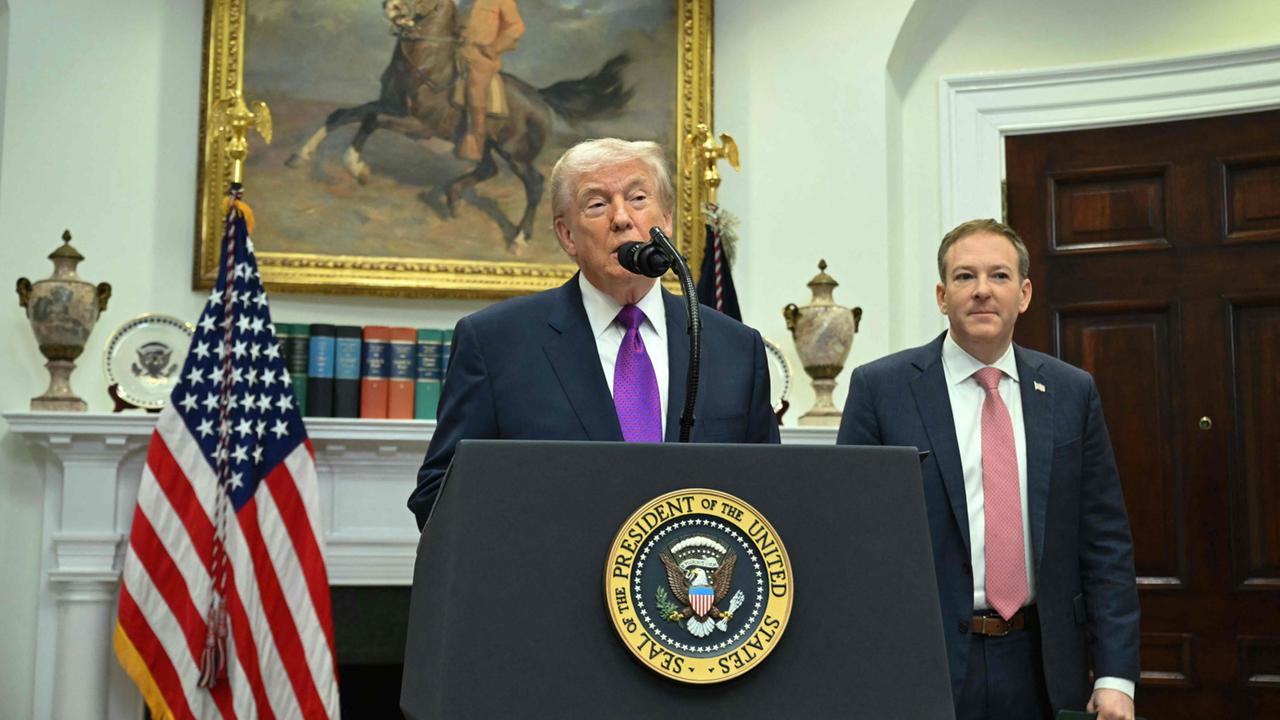
U.S. President Donald Trump reordered global trade with tariffs in 2025, sparking a “sell America” trade: a sell-off of U.S. assets, including the dollar, the world’s reserve currency.
The suddenness with which other tariffs have been imposed and withdrawn kept the pressure up.
In a December note, Swiss private bank Julius Baer stated that “erratic trade policies” were just one cause of the dollar’s woes, adding that Trump’s “One Big Beautiful Bill Act” put the U.S. on “an unsustainable debt trajectory.”
Trump’s pressure on U.S. Federal Reserve chair Jerome Powell also undermined investors’ confidence in the dollar, the note said.
The dollar index, which tracks the greenback against a basket of peers, tumbled 1.3% on Jan. 29 after Trump said the dollar is “doing great,” its sharpest drop in a day since Trump first announced tariffs in April. It took the greenback to its lowest level in almost four years.
The index plunged 9.37% in 2025, and it has fallen further in 2026.

In a Wednesday note, George Saravelos, head of FX research at Deutsche Bank, said the dollar’s safe-haven status was “myth.”
He challenged the notion that the dollar “rallies during risk-aversion,” adding: “A simple chart of the dollar-equity relationship shows this not to be true. The average USD-equity correlation has historically been closer to zero, and over the last year the dollar has once again de-correlated from the S&P.”
Cole Smead, CEO and portfolio manager at Smead Capital Management, told CNBC’s “Squawk Box Europe” at the end of January that he sees further weakness ahead for the dollar.
“We’re in a dollar bear market longer term,” he said. “If you go back and look at these ‘American manias’ [in markets], if you go back and look at the telecom bubble and tech bubble the late 1990s, the dollar peaked in 2002 and within six years, you saw the dollar go to a low it hadn’t seen for [a] very, very long time.”
The U.S. dollar index nosedived by around 41% between 2002 and its 2008 low.
Yieldless Yen
The Japanese yen has seesawed across 2025, and rumors of intervention now swirl around Asia’s safe-haven currency.
At the start of 2025, the yen was worth about 156 against the dollar. It strengthened as the Bank of Japan started to signal it would continue to raise rates, but remained around 150 for most of the second and third quarters.
It started to weaken sharply after October, when Sanae Takaichi became prime minister. Her expansionary fiscal policy stance prompted a selloff in the yen, pushing up long-term yields of Japanese government bonds.
The yen has declined 5.9% between Takaichi’s accession to Jan. 23, before a reported “rate check” by the New York Federal Reserve on the dollar/yen pair on Jan. 23 saw the currency strengthen sharply to about 152.
However, the yen had started to weaken, heading toward the 157 level, before strengthening again after the LDP saw a landslide victory in Sunday’s Lower House election.
Citi analysts have said the yen is unlikely to weaken far beyond the 160 level, given this could prompt intervention by Japanese or U.S. authorities.
“The yen will approach the 160 level once more, but there will likely be a struggle between the market and the authorities near the 159 mark,” Dutch bank ING said in a Feb. 9 note. U.S. Treasury Secretary Scott Bessent has denied that the U.S. had intervened before the January rate check.
Faltering Franc
Unlike the dollar and yen, the Swiss franc’s home country isn’t big, but Switzerland’s political stability, low debt and diversified economy make it a safe-haven asset. The hunt for stable assets over the last year has benefited it. It has held its value far more clearly than either the dollar or the yen.
Over 2025, the franc gained almost 13% against the U.S. dollar. It has extended those gains into 2026, hitting an 11-year high against the greenback. It also touched on an 11-year high against the euro earlier this month.
U.S. dollar/Swiss franc exchange rate
The franc’s path has been completely turbulence-free. On Jan. 30, as gold and silver were gripped by a historic sell-off that wiped as much as 30% from the latter’s value, investors also pivoted out of the Swiss franc, with the currency shedding about 1.2% versus the greenback.
But this was one of only 10 trading days over the last year where it moved lower against the dollar. But that strength is causing problems in Switzerland — and, if it gets stronger, it could force an intervention from officials as they try to rein in the impact of a hot currency on the wider economy.
Unusually among developed economies, Switzerland is battling sluggish price growth, and a strengthening franc could add further disinflationary pressure to the country’s export-driven economy.
The country’s inflation rate is just 0.1%, and the Swiss National Bank’s key interest rate is at 0%. With officials trying to avoid reinstating the unpopular negative rates policy of 2015 to 2022, the strengthening franc complicates the SNB’s monetary policy picture.

Swiss officials have previously intervened in the foreign exchange market by selling the franc and buying foreign currencies to help cool theirs.
But doing this now comes with risks, with the Trump administration — in both its first and second iteration — taking issue with the SNB’s interventions.
SNB Chairman Martin Schlegel told CNBC’s Karen Tso on the sidelines of the World Economic Forum in Davos, Switzerland, last month that the bank is “ready to intervene in the FX market if necessary.”
Economists at Swiss investment bank UBS — which forecasts the franc will lose around 2% against the dollar by the end of the year — said in a note on Wednesday that the SNB was unlikely to “react forcefully” to the rising currency.
“Sporadic foreign exchange interventions are possible, but broad-based action is not warranted, in our view, given limited deflation risks, an optimistic global growth outlook, and moderate overvaluation of the CHF,” they said.
However, the bank also said in a separate report that it sees limited upside ahead for the franc.
Economists polled by Reuters earlier this month said they saw the dollar clawing back 2.2% against the franc by the end of April.
Matthew Ryan, head of market strategy at global financial services firm Ebury, told CNBC on Wednesday that the dollar and the yen “have undoubtedly lost some of their sheen of late,” while the Swiss franc has “solidified itself as the premier safe-haven currency of choice.”
Lee Hardman, a UK-based currency analyst for Japanese bank MUFG, agreed that the safe haven appeal of both the yen and the dollar had been “undermined” by political turbulence.
“Over the long-term the [Swiss franc] has proven to be the best store of value among other G10 currencies including the JPY and USD,” he said.