
Shiloh Hendrix Video and The Minnesota Park Incident

A Minnesota woman whose confrontation with a child at a Rochester playground became the focus of nationwide attention says she intends to challenge criminal charges filed against her, maintaining that her actions are protected by the U.S. Constitution. The case, which has sparked widespread debate about free speech, public behavior, race, and online fundraising, continues to generate strong reactions months after the original incident.
The Rochester City Attorney’s Office recently announced three misdemeanor disorderly conduct charges against Shiloh Hendrix in connection with an incident that allegedly occurred at Roy Sutherland Playground in Soldiers Field Park in late April. Authorities allege the charges stem from Hendrix’s conduct during a confrontation that was captured on video and later circulated extensively across social media platforms.
Shiloh Hendrix Video
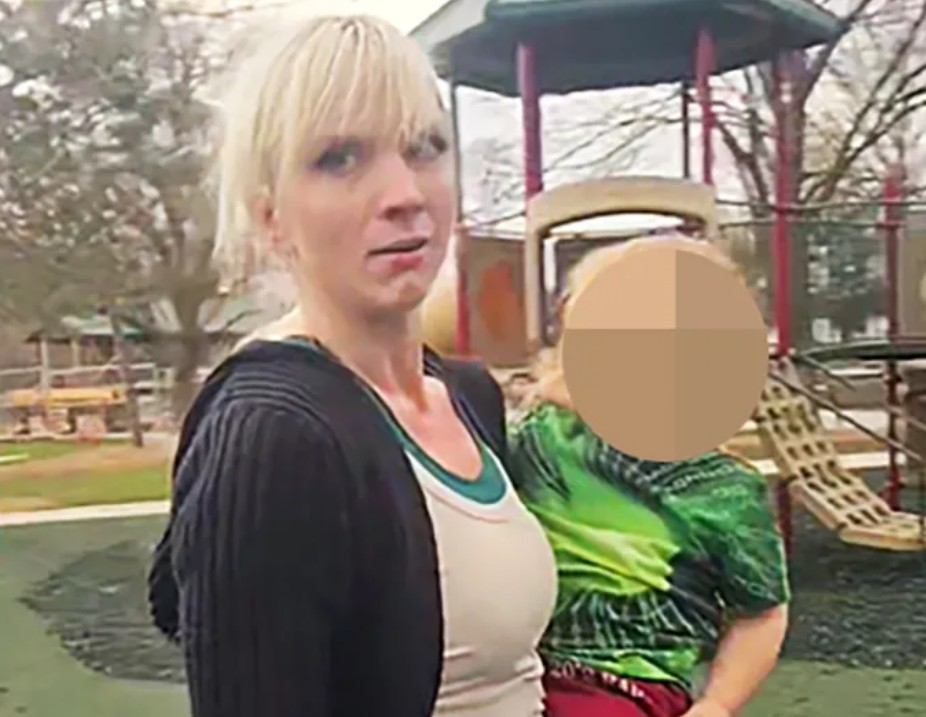
The video quickly attracted millions of views and prompted intense public discussion. In the footage, Hendrix is seen arguing during an encounter involving a young Black child. According to reports surrounding the incident, Hendrix claimed the child had taken something belonging to her own child. During the confrontation, she directed racial slurs toward the child, who has also been described in reports as having a disability. The recording spread rapidly online, drawing criticism from civil rights advocates, community members, and internet users across the country.
Although prosecutors have now filed criminal charges, Hendrix has publicly stated that she has no plans to accept the allegations without a fight. In a message published on her online fundraising page, she criticized Minnesota authorities and argued that the legal action represents an attack on her constitutional rights rather than a legitimate criminal case.
According to her statement, Hendrix believes she has assembled a capable legal team that will vigorously defend her in court. She expressed confidence that her attorneys understand the legal issues involved and said she expects a favorable outcome. Rather than apologizing or signaling a willingness to resolve the matter quickly, Hendrix made it clear that she intends to challenge the charges through the legal system.
Central to her public response is her interpretation of the First Amendment. Hendrix argues that the U.S. Constitution protects speech that many people may find offensive or hurtful. She maintains that government officials should not pursue criminal penalties simply because members of the public disagree with or are offended by what someone says. Whether that argument ultimately becomes a significant part of her legal defense remains to be seen, as constitutional free speech protections and disorderly conduct laws often involve complex legal analysis that depends on the specific facts of each case.
The incident itself has remained controversial since the day it occurred. Supporters of Hendrix argue that the original confrontation has been widely misunderstood and that social media presented only part of the encounter. Critics, however, contend that the language captured in the viral video crossed clear ethical and social boundaries regardless of the events leading up to it. The differing interpretations have fueled months of online debate, with discussions extending far beyond the local Minnesota community.
As public attention intensified, Hendrix said she and her family became the target of significant online harassment. She claimed that widespread exposure brought unwanted attention, threats, and pressure that affected her family’s daily life. Those claims eventually became one of the reasons she sought financial assistance through the crowdfunding platform GiveSendGo.
The fundraising campaign soon became another major source of controversy. While many online campaigns receive modest attention, Hendrix’s fundraiser attracted significant financial support from donors who believed she deserved assistance. Some contributors viewed the campaign as a way to help a family facing intense public scrutiny, while others said they supported what they viewed as broader free speech principles.
At the same time, many critics questioned why such a campaign should remain active following the widespread condemnation surrounding the viral video. The fundraiser became part of a larger conversation about the responsibilities of crowdfunding platforms when campaigns involve individuals facing public controversy or potential legal action.
In a later update posted to the fundraising page, Hendrix disclosed that the donations had enabled her family to purchase a new home. She described the property as offering more privacy and space than their previous living situation and stated that her family had relocated to an area where they felt safer. According to Hendrix, the move represented an opportunity to rebuild their lives following months of public attention and online criticism.
Her comments about relocating also generated additional discussion online. Some observers questioned the extent of the financial support received through the campaign, while others debated whether donors intended their contributions to be used for purchasing property. Interest in the total amount raised has remained high, although updated payout figures have not been publicly confirmed in connection with recent reporting.
GiveSendGo has previously addressed questions surrounding Hendrix’s campaign. During an earlier interview, company co-founder Jacob Wells explained that the existence of legal proceedings does not automatically prevent funds from being distributed to campaign organizers. He said the platform conducts internal reviews before approving campaigns and emphasized that legal allegations alone do not necessarily disqualify users from receiving donations. That position reflects the platform’s stated approach to balancing fundraising access with its own review policies.
Meanwhile, the criminal case will proceed through Minnesota’s legal system, where prosecutors will seek to prove the disorderly conduct allegations beyond a reasonable doubt. Hendrix and her attorneys will have the opportunity to challenge the evidence, present their own arguments, and contest the charges before the court. As with any criminal proceeding, the outcome will ultimately depend on the evidence presented and the applicable law.
Beyond the courtroom, the case continues to highlight broader issues that frequently emerge in the digital age. Viral videos can transform local incidents into national conversations within hours, often leading to public judgment long before legal proceedings begin. Social media platforms amplify both criticism and support, while crowdfunding websites provide new ways for individuals involved in controversial events to receive financial backing from strangers around the world.
The situation also illustrates the continuing national debate over the relationship between free speech and public accountability. Some view offensive expression as constitutionally protected even when it provokes widespread condemnation. Others argue that certain conduct, particularly when directed at children or occurring in public settings, should carry legal consequences independent of broader political debates about speech.
As court proceedings move forward, additional details are expected to emerge regarding the evidence, legal arguments, and circumstances surrounding the playground encounter. Prosecutors, defense attorneys, and the court will each play a role in determining how the case is resolved. Until then, the controversy surrounding Shiloh Hendrix remains a closely watched example of how viral social media incidents, criminal law, constitutional questions, and online fundraising can intersect in modern America.