Clavicular Overdose Video and The Cost of Clout

The line between digital entertainment and real-life tragedy blurred once again on Tuesday night as Braden Peters, known to millions online as “Clavicular,” was rushed to a Miami hospital. The incident, which unfolded in front of a live audience of hundreds of thousands, has reignited a fierce debate over the dark side of “looksmaxxing” culture, the ethics of livestreaming, and the mental health crisis currently gripping the influencer industry.
The Emergency in Brickell and Video
The scene at the corner of 9th Street and South Miami Avenue in the upscale Brickell neighborhood of Miami was a stark contrast to the neon-lit, high-energy world Peters usually inhabits. On Tuesday night, instead of camera flashes and fans, there were sirens and flashing blue-and-red lights.
Clavicular Overdose Full Video
Miami Fire Rescue confirmed to CBS News Miami that crews were dispatched to the area following reports of a medical emergency involving a 20-year-old man. While the official department statement remained cautious, a source close to Peters later confirmed the grim reality: the influencer was suspected of suffering a severe drug overdose.
Brickell, known as the “Wall Street of the South,” is a hub for the young, wealthy, and internet-famous. For Peters, it was supposed to be just another backdrop for his content. Instead, it became the site of a life-threatening crisis that has left his future—both online and off—in a state of profound uncertainty.
The “Final” Livestream: A Digital Audience to a Disaster
What makes the hospitalization of Clavicular particularly haunting is that it was witnessed by a massive, global audience. In the era of the “24/7 creator,” Peters was live, interacting with followers when the situation began to deteriorate.
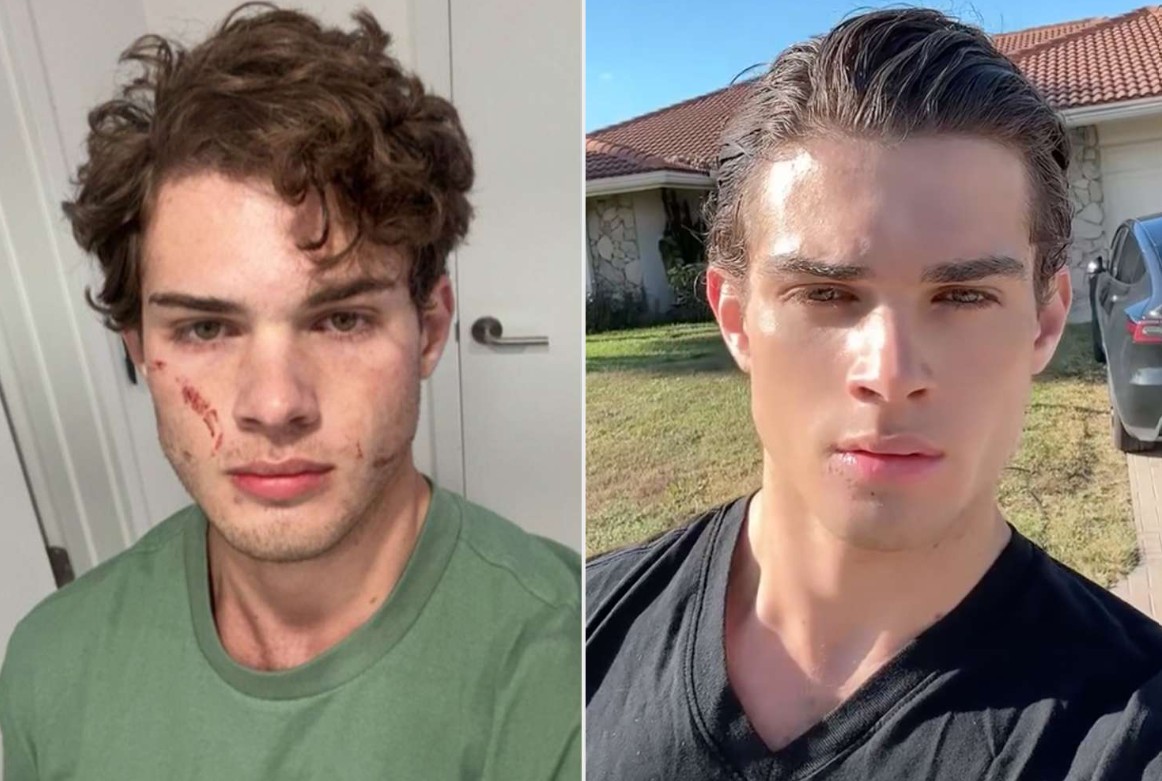
Followers who tuned into the Tuesday night stream described a visible shift in Peters’ demeanor. Usually known for his high-strung energy and hyper-fixation on physical aesthetics, Peters began to appear lethargic and “out of it.” Comments began to flood the chat:
“Is he okay?”
“His eyes look glazed.”
“Someone call for help.”
Despite the mounting concern, the stream continued for several minutes as Peters drifted in and out of lucidity. Then, without warning or a sign-off, the video abruptly ended. The screen went black, leaving hundreds of thousands of viewers in a vacuum of silence and speculation. In the minutes that followed, “Clavicular” began to trend on X (formerly Twitter) and TikTok, as fans scrambled to piece together whether the “stunt” was part of his provocative brand or a genuine cry for help.
Who is Clavicular? The Face of “Looksmaxxing”
To understand why this incident has sent shockwaves through the internet, one must understand the subculture that Braden Peters helped popularize: Looksmaxxing.
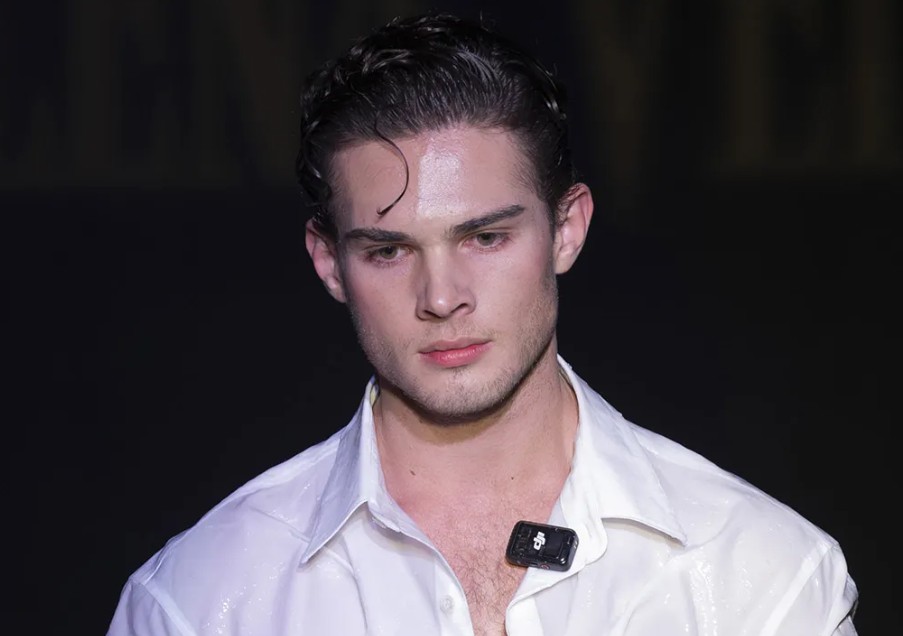
At its core, looksmaxxing is a movement—often found in “manosphere” corners of the internet—dedicated to maximizing one’s physical attractiveness through any means necessary. While some of it involves basic grooming and fitness, the extreme end of the spectrum, where Peters operated, involves:
Bone Smashing: A dangerous pseudoscientific practice of hitting one’s facial bones to create “micro-fractures” in hopes they heal into a more masculine shape.
Hardmaxxing: Engaging in plastic surgery, steroid use, or extreme pharmaceutical interventions to alter one’s appearance.
Orthodontic Extremism: Using specialized gear to change jaw alignment.
Peters, under the moniker Clavicular, became a poster child for this obsession. His content revolved around the idea that one’s value is entirely tied to “SMV” (Social Market Value). He documented his journey toward “perfection” with a zeal that many found inspiring and others found deeply pathological.
However, the pursuit of perfection came with a high price. Peters has been shockingly open in the past about his drug use, at one point admitting to using methamphetamine as a tool for weight loss. This “transparency” was often framed by his followers as “being real,” but in hindsight, it served as a flashing warning sign for the medical emergency that occurred this week.
A History of Legal Troubles: From Clout to Crime
The suspected overdose is not the first time Braden Peters has made headlines for the wrong reasons. His rise to fame has been shadowed by a series of legal incidents that suggest a pattern of escalating volatility.
Just last month, Peters was arrested in Fort Lauderdale on a battery charge stemming from an incident in February in Osceola County. The details provided by the Osceola County Sheriff’s Office paint a disturbing picture of how Peters allegedly viewed the people around him.
According to investigators, Peters rented an Airbnb in Kissimmee on February 2nd. During his stay, a violent fight broke out between two women at the property. However, the investigation revealed that this was no random dispute. Detectives determined that Peters had intentionally instigated the fight, pitting the two women against each other for the express purpose of filming the violence. He then allegedly posted the footage to social media to exploit the situation for views and engagement.
This “content at any cost” mentality highlights a dangerous trend in the influencer economy: the commodification of conflict. For Peters, a violent altercation wasn’t a tragedy or a legal liability—it was “content.” This latest medical crisis may be the ultimate conclusion to a lifestyle that prioritized digital metrics over human safety.
The Dark Reality of the Influencer “Gold Rush”
The hospitalization of Clavicular serves as a grim case study of the pressures facing modern creators. For influencers like Peters, the “algorithm” is a relentless master. To stay relevant, they must constantly escalate their behavior. If they were extreme yesterday, they must be “more extreme” today.
In the looksmaxxing community, this translates to a dangerous feedback loop. When Peters admitted to using meth for weight loss, he wasn’t met with universal condemnation; he was met with thousands of views and a surge in his follower count. When an audience rewards self-destruction with attention, the creator is incentivized to continue destroying themselves.
The livestreaming format adds another layer of danger. Unlike edited YouTube videos, livestreams offer no safety net. There is no producer to step in, no editor to cut out the moments of vulnerability or overdose. The audience becomes a “digital bystander,” watching a tragedy unfold in high definition, often unsure if what they are seeing is real or a scripted bid for viral fame.
A Wake-Up Call for the Digital Age
As of Wednesday afternoon, no additional information regarding Braden Peters’ condition has been released by the hospital or his representatives. The digital world remains in a state of suspended animation, waiting to hear if the 20-year-old will recover or if he will become another cautionary tale in the annals of internet history.
The story of Clavicular is not just about one man’s struggle with substance abuse; it is about a culture that celebrates the “grind” to the point of physical and mental collapse. It is about the “looksmaxxing” trend that convinces young men they are never “enough” without surgical or chemical intervention. And finally, it is about a legal system and social media platforms that often struggle to keep up with creators who view the world—and the people in it—as nothing more than props for their next viral post.
Whether Peters returns to the screen or chooses a path of recovery away from the limelight, the events in Brickell on Tuesday night should serve as a sobering reminder: The “likes” and “shares” are temporary, but the damage done in pursuit of them can be permanent.
As the investigation into the suspected overdose continues, one thing is certain: the conversation surrounding the safety of influencers and the ethics of the content they produce is far from over.
News –