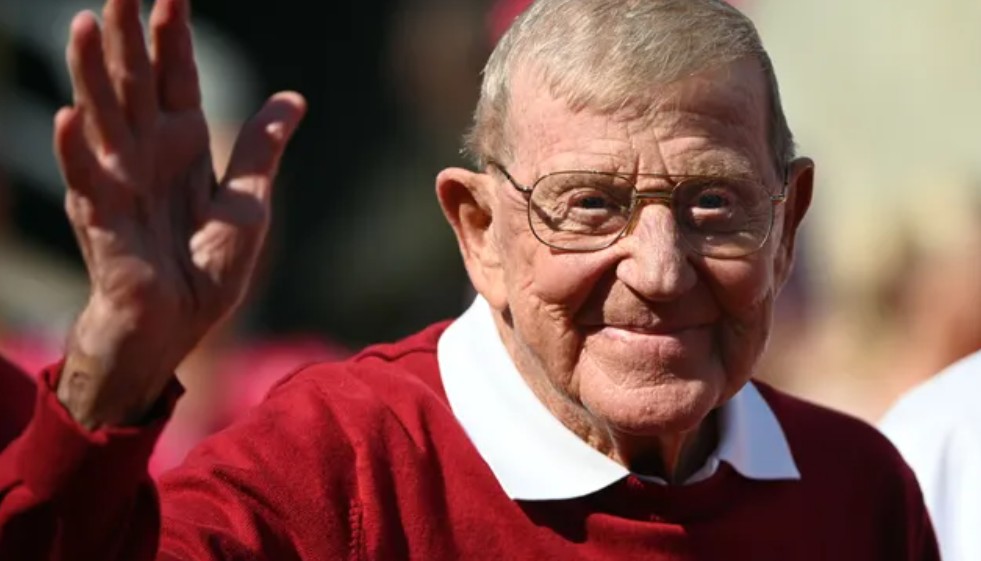
Lou Holtz Cause of Death Video and Legendary Notre Dame

The world of college football is mourning the loss of one of its most iconic figures. Lou Holtz, the legendary coach best known for leading the University of Notre Dame to a national championship and later becoming a beloved television analyst, has died at the age of 89. His passing marks the end of an era for a man who spent more than five decades shaping the sport and inspiring generations of players.
Holtz’s family and the Notre Dame football program confirmed the news Wednesday afternoon. He passed away in Orlando, surrounded by loved ones. In a heartfelt statement, his family reflected on a life defined not only by football achievements but also by faith, dedication, and service to others.
For millions of fans, Holtz was more than a coach. He was a mentor, a motivational speaker, and a symbol of what college athletics could represent at its best.
A Humble Beginning in West Virginia and Video
Lou Holtz’s journey to becoming one of the most respected figures in college football began in a small town. He was born on January 6, 1937, in Follansbee, a community where hard work and perseverance were essential parts of daily life.
Lou Holtz Cause of Death Full Video
Growing up in a working-class environment, Holtz developed the values that would later define his coaching philosophy—discipline, determination, and belief in oneself. Though he faced challenges early in life, he always dreamed of pursuing a career in sports.
That dream began to take shape when he attended Kent State University, where he played college football as a linebacker. While he was not the most physically dominant player on the field, his intelligence and leadership qualities stood out. Even as a young athlete, many who knew him believed he possessed the mindset of a future coach.
After graduating, Holtz quickly set his sights on coaching, beginning what would become one of the most remarkable careers in the history of college football.
Building a Coaching Career from the Ground Up
Holtz began his coaching journey in 1960, taking assistant coaching positions and learning the intricacies of the profession. His early years were spent studying the game, observing successful programs, and developing a philosophy centered on preparation and accountability.
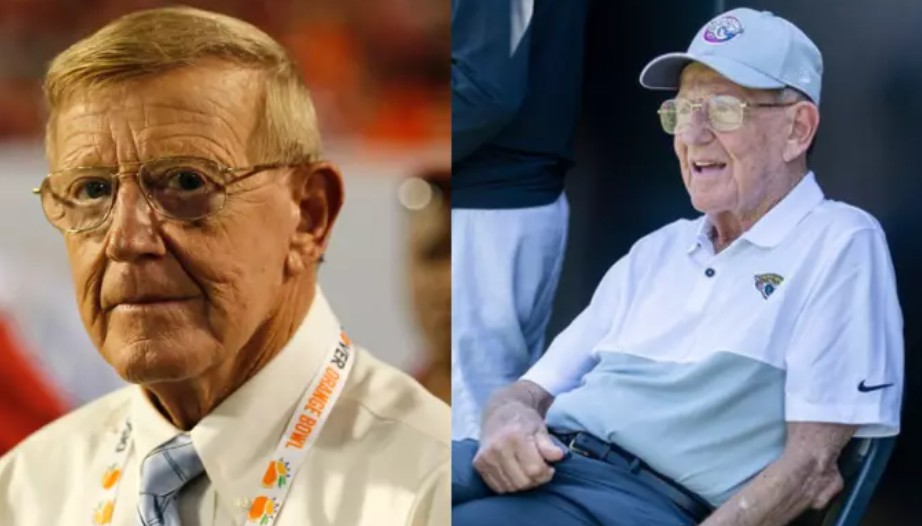
His first major opportunity as a head coach came at the College of William & Mary. From the beginning, Holtz demonstrated a unique ability to transform struggling teams into competitive programs. His attention to detail, relentless work ethic, and motivational leadership quickly gained attention across the college football landscape.
Throughout his career, Holtz became known as a “program builder.” Wherever he went, he focused not only on improving on-field performance but also on strengthening team culture and academic discipline.
This reputation opened the door to opportunities at larger and more prestigious universities.
Success at Multiple Universities
Over the next several decades, Holtz coached at numerous major college football programs. His career included influential stops at:
North Carolina State University
University of Arkansas
University of Minnesota
University of Notre Dame
University of South Carolina
At each institution, Holtz left a lasting impact. He often inherited teams that were struggling or underperforming, yet he consistently managed to rebuild them into competitive forces.
Players frequently credited him with changing their lives. His coaching style emphasized character and personal responsibility, encouraging athletes to grow both on the field and in the classroom.
By the time he reached the peak of his coaching career, Holtz had established himself as one of the most respected leaders in the sport.
The Golden Era at Notre Dame
Holtz’s most famous and successful tenure came at the University of Notre Dame, one of the most storied programs in college football history.
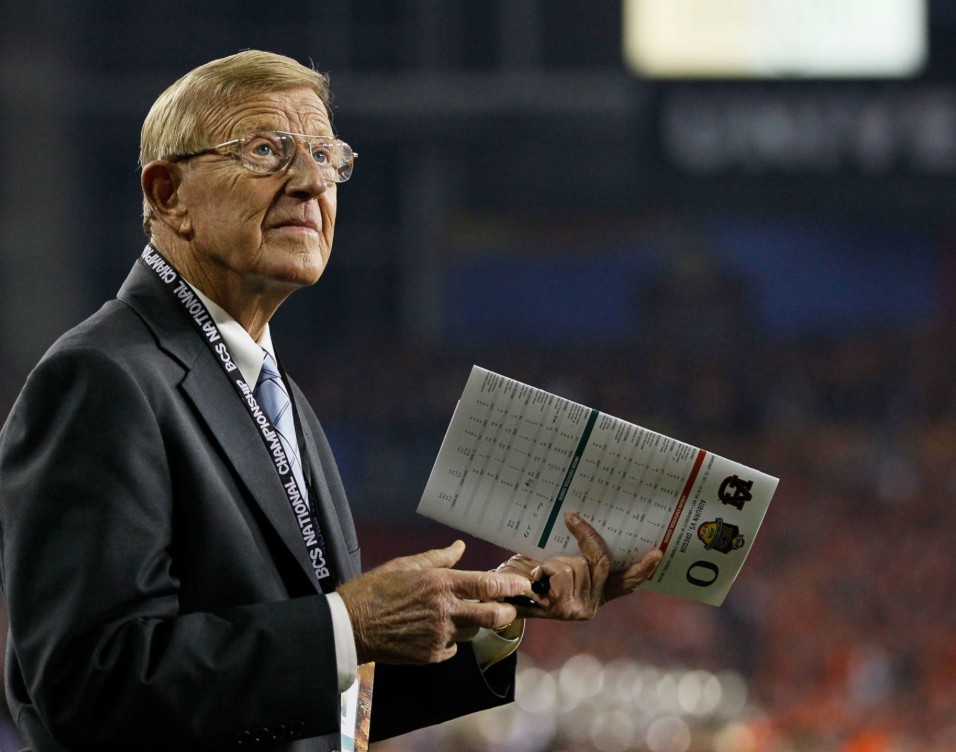
When he arrived in 1986, the Fighting Irish program was struggling to reclaim its former dominance. Holtz immediately began rebuilding the team with a focus on discipline, hard work, and confidence.
His efforts paid off in spectacular fashion.
In 1988, Notre Dame completed an undefeated season and won the 1988 NCAA Division I-A National Championship, cementing Holtz’s place among the sport’s greatest coaches. That season remains one of the most celebrated campaigns in college football history.
The championship not only restored Notre Dame’s national prominence but also solidified Holtz’s legacy as a master strategist and motivator.
A Philosophy Built on Leadership and Faith
Holtz was widely known for his inspirational speeches and powerful leadership style. He believed that success came from preparation, discipline, and self-belief.
However, his philosophy extended far beyond football strategy.
Holtz often spoke openly about the importance of faith, family, and service. He encouraged players to pursue excellence not just in sports but also in their personal lives and careers.
Many former athletes have described Holtz as a life-changing mentor who taught them lessons that lasted long after their playing days were over.
His motivational talks and leadership principles eventually made him a sought-after speaker across the country.
Career Achievements and Historic Record
By the time he retired from coaching in 2004, Holtz had compiled an extraordinary record.
Across his career, he achieved a 249–132–7 record in college football. His teams consistently appeared in major bowl games, and he became one of the few coaches to lead multiple programs to significant turnarounds.
His achievements were eventually recognized with induction into the College Football Hall of Fame, one of the highest honors in the sport.
For many fans and analysts, Holtz’s success was not simply about wins and losses—it was about the lasting culture he created wherever he coached.
A Beloved Voice on Television
After retiring from coaching, Holtz found a new way to stay connected to the game. He joined ESPN as a college football analyst.
On programs such as College GameDay, Holtz quickly became a fan favorite. His distinctive voice, energetic personality, and deep knowledge of the game made him one of the most recognizable figures in sports broadcasting.
Fans appreciated his honesty and humor, while younger viewers enjoyed his storytelling and insights into the sport’s traditions.
Even after decades in football, Holtz’s passion for the game remained as strong as ever.
Health Challenges in His Final Years
In recent years, Holtz faced several serious health challenges.
He had been diagnosed with throat cancer in 1997 but managed to recover and continue his career. Later, in 2014, he was diagnosed with prostate cancer, another battle he confronted with determination.
Reports in late January indicated that Holtz had entered hospice care at the age of 89 after battling a serious illness.
Despite these challenges, those close to him say he remained optimistic and deeply connected to his family until the end of his life.
A Devoted Family Man
While Holtz was known worldwide for his football career, those closest to him often said his greatest pride was his family.
He shared more than five decades of marriage with his wife, Beth Holtz, who passed away in 2020 following a long battle with throat cancer.
Together they built a life centered on faith and service. Holtz is survived by four children, nine grandchildren, and two great-grandchildren.
His family has announced that funeral arrangements will include a Mass of Christian Burial at the Basilica of the Sacred Heart at the University of Notre Dame, a fitting location for a man who helped define the university’s football legacy.
A Legacy That Will Endure
Lou Holtz’s impact on college football cannot be measured solely in championships or records.
He transformed struggling programs, mentored countless players, and inspired millions of fans with his words and leadership. His work through the Holtz Charitable Foundation also reflected his lifelong commitment to helping others.
For decades, Holtz represented the very best of college athletics—passion, integrity, and dedication to personal growth.
Though he is gone, the lessons he taught and the legacy he created will continue to influence the sport for generations to come.
In the history of college football, few figures have left a mark as deep and lasting as Lou Holtz. His story—from humble beginnings in West Virginia to national championship glory—remains one of the most inspiring journeys the sport has ever known.
News –