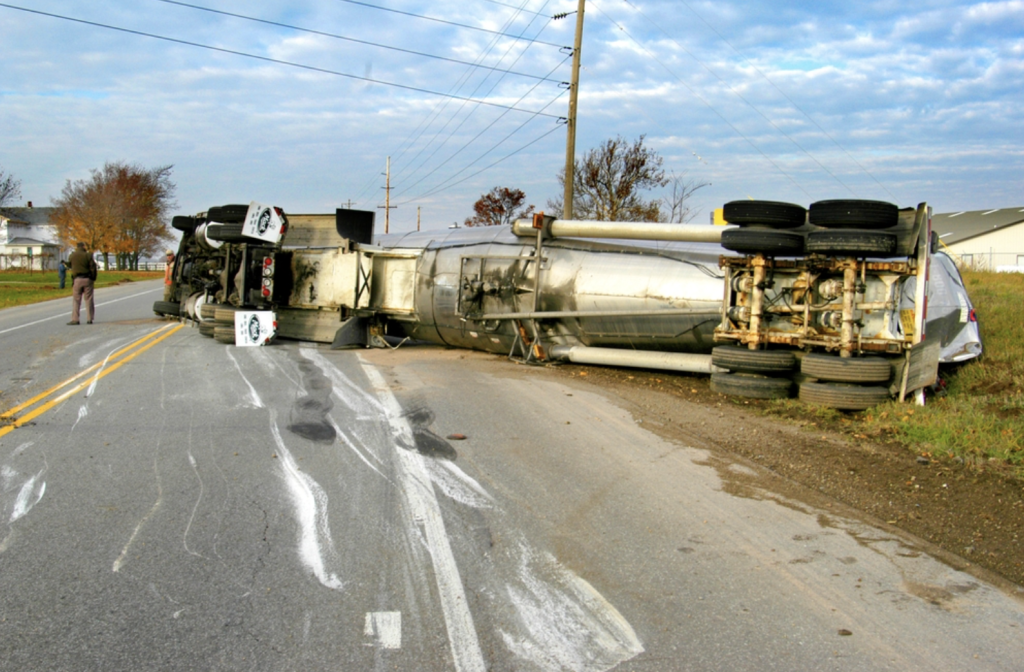

Truck accidents are a world of their own. The size of the vehicles, the weight, and the momentum mean the consequences are often far more serious than regular car crashes. Most victims of truck accident cases think only the truck driver is responsible, but the reality is much more complicated. Companies behind the trucks have rules, safety practices, and legal responsibilities that can play a huge role in determining who is accountable.
If you are navigating a truck accident claim, understanding what often goes unnoticed can make a big difference.
Let’s take a closer look at what most people don’t realize about trucking company liability.
The Truck Driver Is Not Always the Only Responsible Party
Employers Can Be Liable for Their Drivers
Many accident victims assume the driver alone is to blame. That is rarely the full story. If the driver was working at the time of the accident, the company can be held responsible through a legal concept called vicarious liability. This means the employer may be accountable for the driver’s actions because the driver is acting within the scope of employment.
Poor Hiring Practices Can Create Liability
Trucking companies are responsible for hiring safe drivers. When companies fail to check driving records, previous violations, or patterns of unsafe behavior, they open themselves up to liability. Accident victims rarely consider that a simple oversight in hiring can be a key factor in a crash.
Inadequate Training and Supervision
Even a skilled driver can make mistakes without proper training. Companies that do not enforce safety programs or supervise drivers adequately may share liability for accidents. This can include failing to train drivers on load handling, defensive driving, or hours-of-service compliance.
Maintenance and Equipment Issues Are Often Overlooked
Failure to Maintain Trucks Properly
Truck maintenance is not optional. Brakes, tires, lights, and mechanical systems must be inspected regularly. When companies neglect maintenance, accidents caused by worn equipment become the responsibility of the company, not just the driver.
Defective Parts and Third-Party Responsibility
Sometimes crashes are caused by faulty parts or contractors who perform maintenance improperly. Liability may extend beyond the trucking company to manufacturers or third-party service providers. This makes the chain of responsibility complex, and it is easy for accident victims to miss these connections.
Federal Regulations Play a Major Role
Hours-of-Service Violations
Federal rules limit how long truck drivers can operate without rest. Fatigue is a serious factor in crashes, yet many companies push drivers to meet schedules. Violating hours-of-service regulations can create direct liability for the trucking company, even if the driver was technically in control at the moment of impact.
Logbooks and Electronic Records
Companies must maintain accurate logbooks and electronic records. These documents reveal driving hours, rest periods, and compliance with federal safety rules. Accident victims often do not know these records exist or how important they can be in proving company liability.
Insurance Policies Are More Complex Than You Think
Higher Coverage Limits
Commercial trucks carry higher insurance coverage than personal vehicles. This matters because serious injuries or property damage often exceed standard auto insurance limits. Understanding the scope of coverage is essential in pursuing full compensation for truck accident cases.
Aggressive Insurance Defense Strategies
Trucking companies often have specialized teams that respond immediately to accidents. They gather statements, examine evidence, and attempt to limit company liability. Accident victims may assume the initial settlement offer is fair, not realizing the company is protecting itself aggressively.
Why Proving Trucking Company Liability Is Different
Multiple Layers of Responsibility
Unlike car accidents, truck crashes can involve many parties. The driver, trucking company, maintenance provider, and even parts manufacturers may all bear some responsibility. Accident victims often focus only on the driver, missing other avenues for compensation.
Evidence Disappears Quickly
Electronic data, maintenance logs, and internal communications can vanish fast. Accident victims need to act quickly to preserve evidence that proves the company’s liability. This is a critical step that many people overlook when filing claims for truck accident cases.
Final Word
Trucking accidents are not just about the driver. The company behind the wheel often carries significant responsibility for hiring, training, maintenance, and compliance with federal rules. Recognizing these factors can make a major difference in the outcome of a claim.
Reviewing all angles of responsibility and preserving critical evidence can ensure that truck accident cases result in outcomes that truly reflect the severity of the accident and the impact on those affected.
Published by HOLR Magazine.