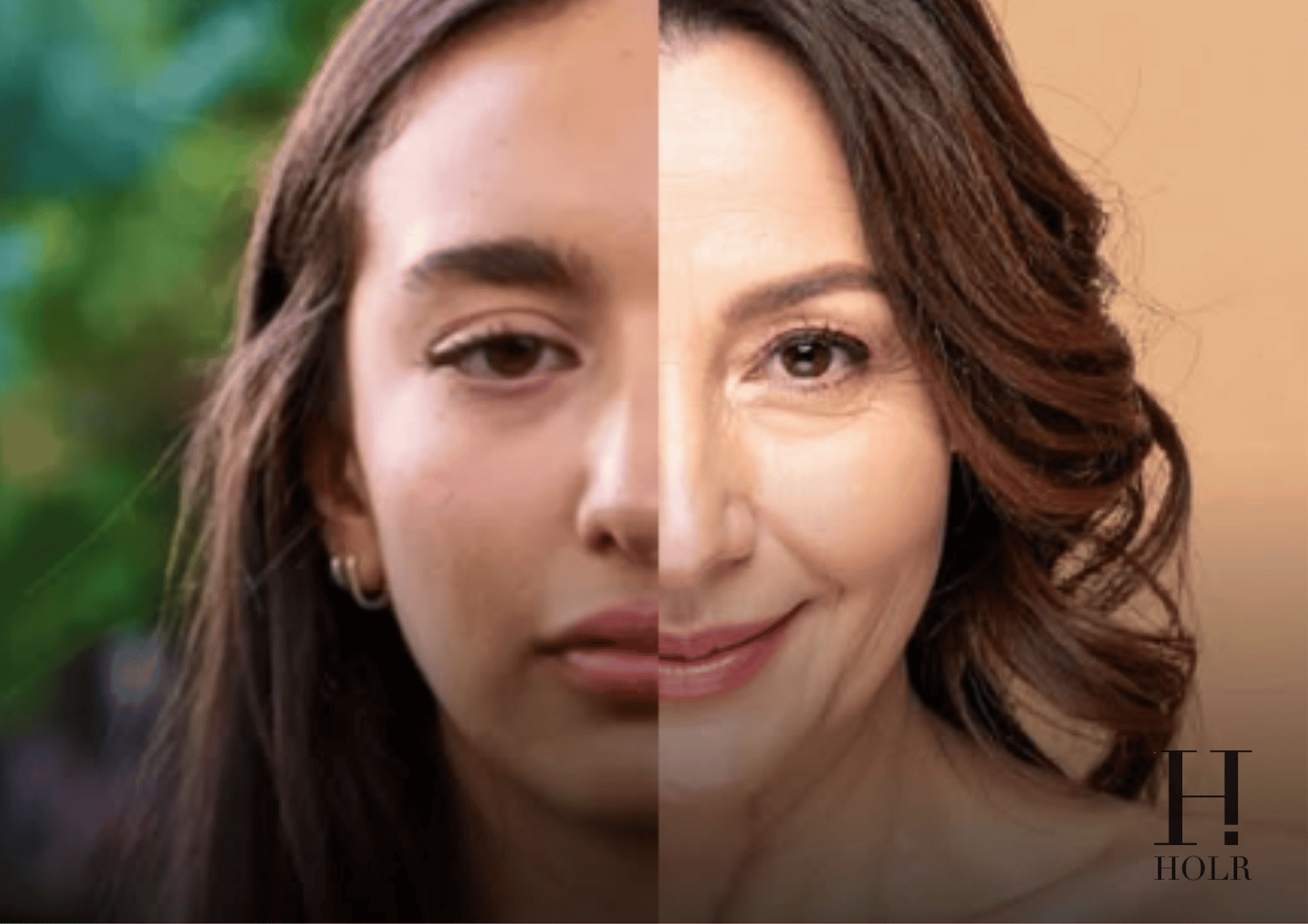
Why Millennials May Appear Younger Than Gen Z –

Experts Say Lifestyle, Stress Levels, and Environmental Habits May Explain Why Millennials Often Look Younger
February 24, 2026: For years, millennials have joked that they are “aging backwards.” But according to dermatologists and social scientists, the observation may not be entirely anecdotal. Emerging research suggests that individuals born between 1985 and 1995 may often appear younger than some members of Gen Z — and the reasons have less to do with genetics and more to do with habits, stress exposure, and environment.
While aging is ultimately biological and individualized, visible aging markers are heavily influenced by lifestyle factors. Experts point to skincare awareness, smoking trends, stress levels, and even digital exposure as contributors to how each generation presents physically.
The Sunscreen Generation
Millennials are often described as the first generation to widely embrace preventive skincare. Daily sunscreen use — once inconsistently practiced — became mainstream during their teenage and young adult years. Dermatologists consistently emphasize that ultraviolet (UV) exposure is one of the leading causes of premature wrinkles, hyperpigmentation, and loss of skin elasticity.
Regular SPF application reduces cumulative sun damage, which directly impacts visible aging. In addition, the rise of skincare education through early beauty blogs and YouTube tutorials introduced millennials to moisturizers, retinoids, and anti-aging serums earlier than previous generations.
Lower smoking rates also played a role. Research has long associated smoking with reduced collagen production and increased fine lines. Millennials, statistically, smoked less than prior generations, contributing to healthier skin outcomes over time.
Experts note that preventative care, rather than corrective treatments later in life, makes a measurable difference in long-term appearance.

Image Credit: chatgpt
Delayed Milestones and Lifestyle Shifts
Beyond skincare, social scientists point to broader lifestyle patterns. Millennials were more likely to delay childbirth and marriage compared to previous generations. While there is no universal rule, delayed parenthood often correlates with extended periods of uninterrupted sleep and reduced physical strain during early adulthood — factors that can influence outward appearance.
Work culture also shifted. Although millennials faced economic challenges, many were part of the early wave embracing flexible work arrangements and wellness culture. Gym memberships, yoga classes, and mental health awareness campaigns gained traction during their formative adult years.
The emphasis on hydration, balanced diets, and fitness — even if imperfectly practiced — marked a cultural pivot toward preventative health.

Image Credit: chatgpt
The Gen Z Stress Factor
In contrast, researchers highlight that Gen Z faces distinct environmental pressures. Chronic stress is one of the most cited contributors to accelerated aging. Elevated cortisol levels — the body’s primary stress hormone — are associated with inflammation, breakouts, dullness, and collagen breakdown.
Gen Z has grown up in an era of constant connectivity. Social media comparison, academic pressures, and global uncertainty have been linked to higher reported stress levels and sleep disruption. Poor sleep quality directly affects skin regeneration, leading to dark circles and uneven tone.
Vaping exposure is another concern. While traditional smoking declined overall, vaping became more prevalent among younger demographics. Some dermatologists warn that nicotine — regardless of delivery method — may still impact circulation and skin health.
Screen-related skin aging has also entered the conversation. Blue light exposure from prolonged device use is being studied for its potential role in pigmentation and oxidative stress, although research is still evolving.

Image Credit: sciencephoto
It’s Not About Age — It’s About Habits
The perception that millennials look younger than Gen Z does not suggest that one generation is biologically aging differently. Instead, experts emphasize that daily habits accumulate over time.
Consistent sunscreen use, reduced nicotine exposure, balanced sleep, and stress management all influence how aging presents externally. Meanwhile, chronic stress, sleep deprivation, and environmental factors can accelerate visible signs regardless of chronological age.
Importantly, these patterns are not universal. Many Gen Z individuals prioritize skincare even earlier than millennials did, and wellness awareness continues to expand across all age groups. Genetics, socioeconomic factors, and individual health histories remain central components in the aging process.
The Psychology of Perception
There is also a psychological dimension. Millennials often reference nostalgic pop culture and fashion trends, creating a perception of youthfulness that transcends physical traits. Gen Z, by contrast, has adopted aesthetics that sometimes lean into maturity or minimalism, influencing how age is perceived visually.
Additionally, makeup trends differ between generations. Heavier contouring, matte finishes, and bold brow styles can sometimes create sharper facial contrasts that read as older, while dewy, minimal makeup tends to enhance a youthful glow.
The way generations present themselves online further shapes public perception. Lighting, filters, and editing tools can either soften or emphasize features, blurring the line between natural aging and curated imagery.

Image Credit: chatgpt
The Bigger Picture
Ultimately, visible aging is multifactorial. Environment, lifestyle, stress, diet, sleep, and skincare routines all interact over time. The emerging research suggests that millennials benefited from early adoption of preventative skincare and lower smoking rates, while Gen Z navigates higher stress exposure and digital saturation.
However, experts caution against turning generational comparisons into competition. Aging is a universal process, and healthy habits can be adopted at any stage of life.
Looking younger is less about birth year and more about consistent self-care, balanced stress management, and environmental awareness.

Image Credit: chatgpt
FAQs
Why do millennials sometimes appear younger than Gen Z?
Experts suggest millennials widely adopted daily sunscreen, skincare routines, and had lower smoking rates, which are linked to slower visible aging.
Does stress affect visible aging?
Yes. Chronic stress elevates cortisol levels, which can contribute to inflammation, collagen breakdown, and premature skin changes.
Is vaping linked to accelerated aging?
Research indicates nicotine exposure may impact circulation and skin health, potentially influencing visible aging markers.
Does screen time affect skin aging?
Blue light exposure from devices is being studied for potential links to pigmentation and oxidative stress, though research is ongoing.
Is aging determined by generation?
No. Aging is influenced by individual habits, genetics, environment, and lifestyle choices rather than generational labels.
The takeaway remains clear: appearance is shaped by habits, stress levels, and environment — not just the year you were born.