Tripling in sales drives emissions reduction in transport sector

Australians’ new-found love for electric vehicles has cut the carbon emissions of the transport sector for the first time since COVID lockdowns forced people to stay indoors, marking a significant turning point in the green energy transition.
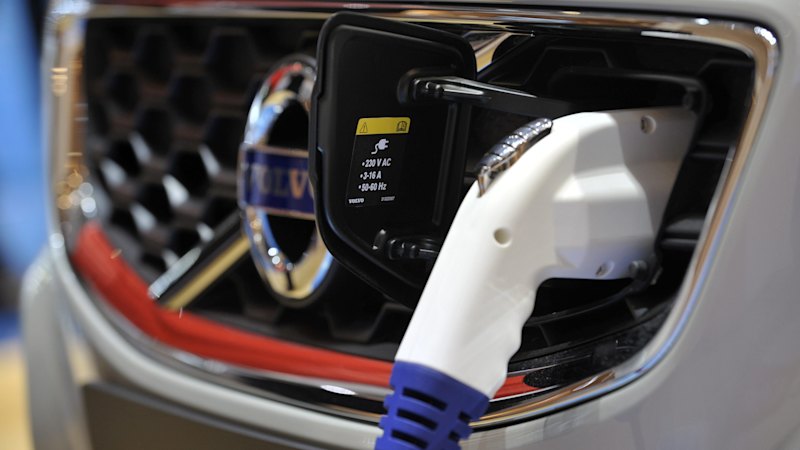
Official figures released on Tuesday night reveal a tripling in sales of electric vehicles in the past three years to make up 13 per cent of all new cars sold in 2025.
The rise in clean cars was a driving factor in the 1.9 per cent overall reduction in the country’s greenhouse gas emissions over the year to September 30.
Australia’s transport sector, a heavy user of petrol, diesel and jet fuel, generates about one-fifth of the nation’s greenhouse pollution. It has been notoriously difficult to decarbonise and since mid-2005 its emissions have risen 23 per cent, the largest increase of any sector.
Climate Change and Energy Minister Chris Bowen on Tuesday seized the official figures as proof that its “commonsense” policies were working.
“We are on track to meet our climate targets if we stay the course and continue to lift our efforts,” Bowen said.
Data from the Department of Climate Change and Energy shows that transport sector emissions fell 0.4 per cent across the year to September 2025, due to a decrease in petrol consumption for road transport.
Across the entire economy, emissions were 2 per cent lower than the previous year, the first sustained fall in greenhouse pollution since the pandemic. This is due mainly to zero-emissions renewable energy increasingly outcompeting polluting coal plants in the electricity sector.
Other drivers of emissions cuts included record contributions from the switch from household gas appliances to electric alternatives and the use of carbon capture and storage to trap and bury carbon pollution from oil and gas production.
Australia is committed to ambitious goals under the Paris Agreement to cut emissions 43 per cent by 2030 from 2005 levels and by at least 62 per cent by 2035. At the current rate, it would achieve cuts of around 36 per cent by 2030.
The emissions data lands at a critical time for the Albanese government, which can now point to progress on its policies to boost electric vehicle uptake, support the construction of wind and solar farms and boost uptake of household batteries.
However, with the two large coal plants set to shut in the next four years, and more closures expected to be announced in the interim, the government claims it will reach its goal.
The Climate Change Authority calculates that a near-quintupling of clean car sales is needed, with every second light vehicle sold over the next decade required to be electric for the Albanese government to meet its 2035 emissions reduction target.
This equates to about 9 million electric vehicles sold in the next 10 years.
Electric vehicle sales have increased rapidly in the past five years, up from around 7000 in 2020 to 157,000 in 2025.
The federal government’s tax cuts for leasing EVs have proved wildly popular, with of tens of thousands of dollars in savings on fringe-benefit taxes on offer to workers who buy an electric vehicle worth less than $91,387 through a novated lease.
However, the Productivity Commission has urged the government to drop the generous subsidy, which is forecast to cost $1.35 billion this financial year.
The Coalition’s policy is to scrap the discount.
The Electric Vehicle Council said cutting the subsidy would reduce clean car uptake and increase the risk of Australia missing its climate targets.
“If the goal is 9 million EVs by 2035, you don’t get there by making them more expensive in 2026,” said EV Council chief executive Julie Delvecchio.
Cut through the noise of federal politics with news, views and expert analysis. Subscribers can sign up to our weekly Inside Politics newsletter.
 Mike Foley is the climate and energy correspondent for The Age and The Sydney Morning Herald.Connect via email.
 Nick Toscano is a business reporter for The Age and Sydney Morning Herald.Connect via X or email.
From our partners