Ted Sarandos Slams James Cameron Over Warner Bros. Deal –

Netflix chief calls claims “part of a disinformation campaign”
A sharp rebuttal from Netflix
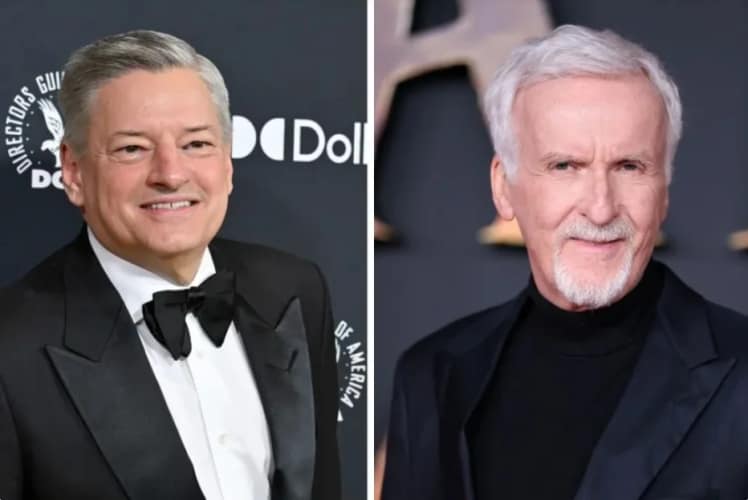
February 21, 2026 – Ted Sarandos has pushed back forcefully against James Cameron, accusing the filmmaker of being “part of the Paramount disinformation campaign” surrounding the proposed Warner Bros. deal. Sarandos’ comments escalate an already heated debate over consolidation and power within the entertainment industry.
Tensions escalate.

Image Credit: WireImage
What Sarandos is responding to
Cameron recently warned that a Netflix-linked Warner Bros. acquisition would be “disastrous” for theatrical filmmaking, urging lawmakers to scrutinize the deal. Sarandos rejected that framing, arguing the criticism reflects rival studio interests rather than an accurate assessment of Netflix’s intentions or track record.
Claims challenged.
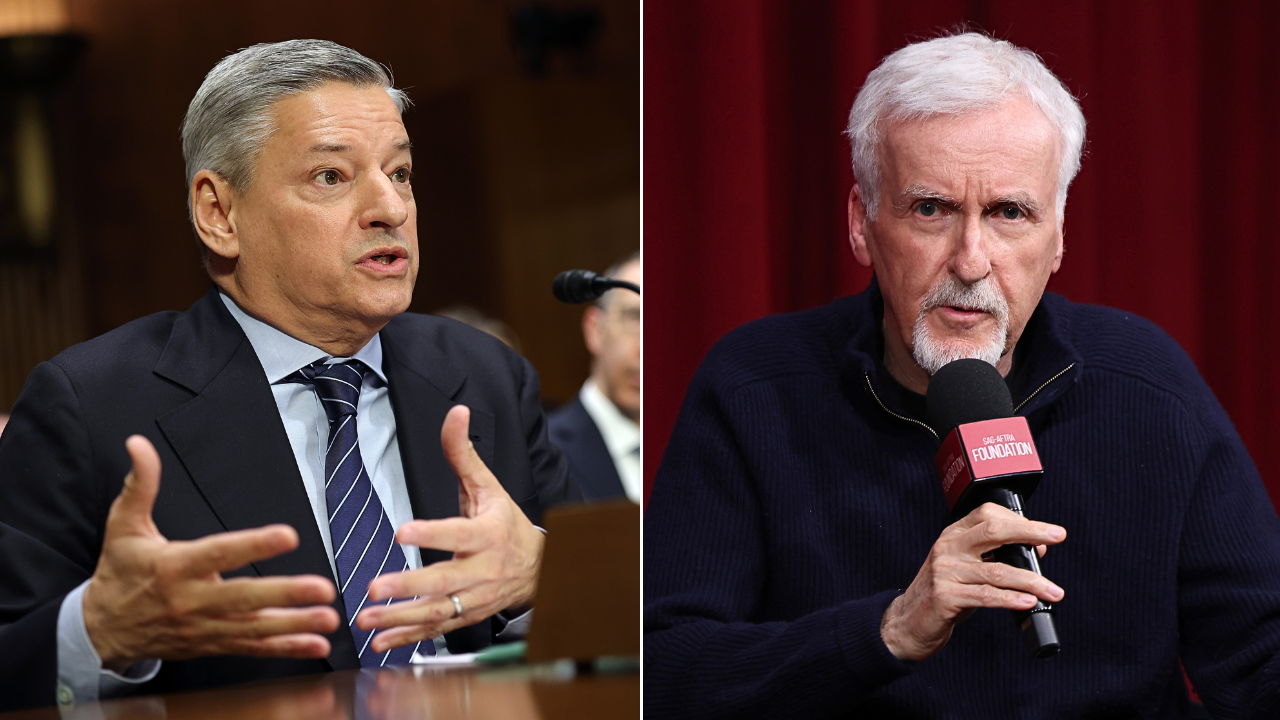
Image Credit: Getty Images
The Paramount angle
By invoking Paramount, Sarandos suggested that competing studios are shaping public narratives to influence regulators and public opinion. He implied Cameron’s intervention aligns with those interests, framing the debate as less about art and more about market positioning.
Motives questioned.

Image Credit: Getty Images
Industry reaction grows
The exchange has sharpened divisions in Hollywood, with some creatives backing Cameron’s concerns about theatrical erosion, while others side with Sarandos’ view that streaming-led ownership doesn’t preclude cinema-first strategies. The clash underscores how deeply personal and political studio deals have become.
Lines drawn.
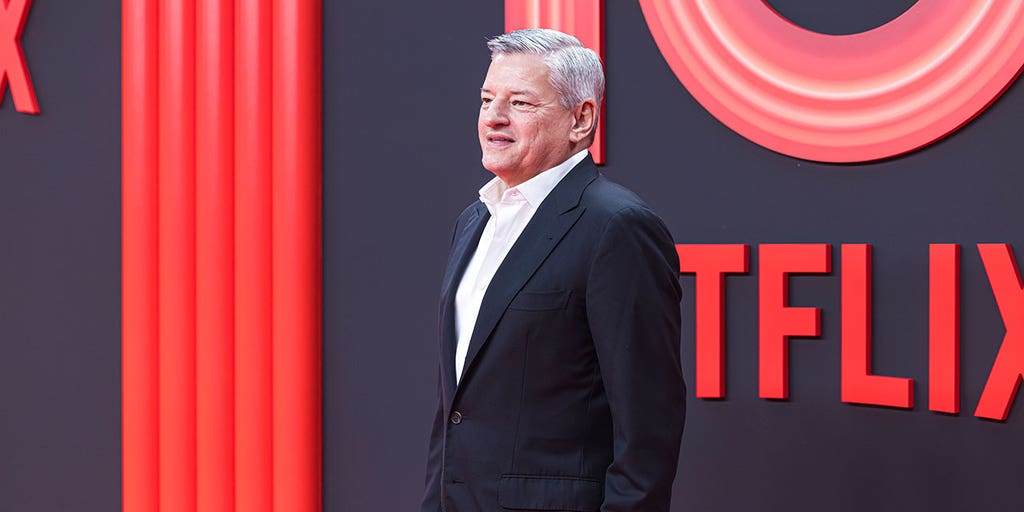
Image Credit: FilmMagic
Final thoughts
Sarandos’ remarks signal that the Warner Bros. debate is no longer just corporate — it’s cultural. As major players stake out opposing visions of Hollywood’s future, the fight over who controls the narrative may prove as consequential as the deal itself.
FAQs
Q1: What did Ted Sarandos say about James Cameron?
He said Cameron is part of a “Paramount disinformation campaign.”
Q2: What deal is at the center of the dispute?
A proposed Warner Bros. transaction involving Netflix.
Q3: Why did Cameron criticize the deal?
He warned it could harm theatrical filmmaking.
Q4: How did Sarandos respond?
He dismissed the criticism as competitor-driven misinformation.
Q5: Why is this significant?
It highlights deep divisions over Hollywood’s future and studio consolidation.