How John D. Rockefeller Sr. reinvested his fortune in America

This Q&A is part of America: 250 Years Bold, a CNBC multiplatform series highlighting the leaders, institutions, and ideas that have shaped the United States over the past 250 years.
Dr. Rajiv J. Shah, president of The Rockefeller Foundation, leads one of the nation’s most influential philanthropic institutions. Founded in 1913, the organization has invested more than $26 billion worldwide to advance public health, expand access to opportunity and tackle global challenges at scale. In this conversation, Shah reflects on the foundation’s legacy — from pioneering breakthroughs in science and medicine to shaping modern philanthropy — and discusses how its mission continues to evolve to address inequality, strengthen resilience and expand economic opportunity in the United States and around the world.
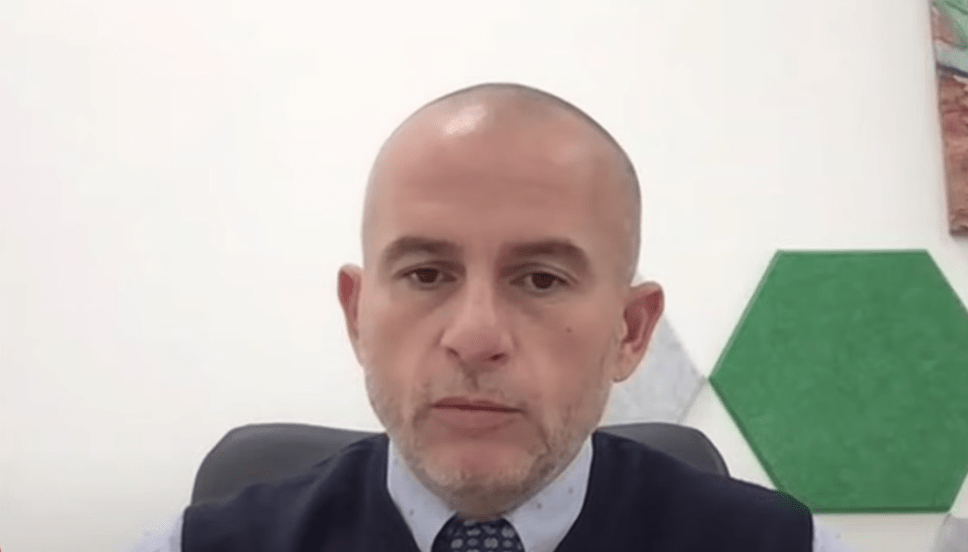
Dr. Rajiv Shah has led The Rockefeller Foundation since 2017, focusing on climate change, global health, and economic equity.
CNBC
Q: Who was John D. Rockefeller Sr.?
Dr. Rajiv J. Shah: John D. Rockefeller Sr. was a titan. He built America during the Industrial Revolution, and helped, together with others, create the modern country we have. He was one of the pioneers who shaped that economic transformation that gave us railways and automobiles and gasoline and the power to go about improving our quality of life. In doing so he, of course, went from being someone who came from modest resources to the world’s wealthiest individual, and decided he would use that wealth to give back to society and help shape a future that was hopeful and optimistic, not just for the winners of that age, but for everybody.
We need to recreate a pathway to the American Dream for kids across this country that we are otherwise leaving behind. That’s the mission of the Rockefeller Foundation going forward.
Dr. Rajiv J. Shah
Rockefeller Foundation President
Q: How did the Rockefeller Foundation first get started?
Shah: The Rockefeller Foundation was created in 1913, although long before that, John D. Rockefeller, when he was 16 years old and got his first job, started tithing to his church. He was a devout Baptist who believed in charitable giving. When he created the foundation, he did it with a partner, Frederick Gates, who was his advisor and an early trustee, and they decided the foundation would be used specifically to invest in those areas where science and innovation could transform life on this planet.
Q: What was the foundation’s original mission?
Shah: The Rockefeller Foundation was established more than 100 years ago to take on major global projects that would transform life and the nature of opportunity for the world’s most vulnerable people. We were founded to do scientific philanthropy because John D. Rockefeller believed that science applied to health, agriculture, energy and even social sciences applied to governance could really help transform society and make it an environment where everyone flourishes, not just the select few. The very first big project the foundation took on was eradicating hookworm in the American South. They built a reference lab, they created the county-based American public health system, and they successfully eradicated hookworm. Went on to tackle malaria, and that process created both huge successes in modern public health, but also seeded the American public health system county by county across this country, and presented the antecedents of the Centers for Disease Control based in Atlanta.
Q: What does the Rockefeller Foundation focus on today?
Shah: We focus today on bringing science, innovation and partnership to lift up vulnerable populations across the planet. We have four major areas of work and investment — health, food, energy and jobs — and we engage in large-scale public-private partnerships to deliver those outcomes. We invest all the time in core science around food, nutrition, energy, energy storage, battery technology, things that we think can make a difference, especially for those people who are vulnerable across this planet. One example of a risk we took is we issued a social impact bond, raised $500 million and put that entire amount of capital into one project to help make sure we could get more people out of energy poverty using renewable energy technologies. Today, we’ve mobilized more than $50 billion to reach more than 300 million people with energy access in Africa through an initiative we call “Mission 300.”
Q: As America approaches its 250th birthday, what gives you optimism about the future?
Shah: America has always been a frontier nation, and when John D. Rockefeller created the Rockefeller Foundation, it was during a time of economic transformation. Our history teaches us we can innovate and partner and collaborate and solve the challenges we face. My parents came here in the late 1960s as immigrants from India. I was raised to understand almost every day at the dinner table that America is a country where, if you worked hard and played by the rules, you and your kids would get a chance to thrive. What has changed is that today fewer than half of America’s kids are predicted to do better than their parents, and so we need to recreate a pathway to the American Dream for kids across this country that we are otherwise leaving behind. That’s the mission of the Rockefeller Foundation going forward.