Chef Jonathan Brincat reimagines Maltese cuisine at Noni


Malta should be an easy sell. This island nation is blessed with such an overabundance of attractions, it is hard to narrow down the highlights. Like history? Malta’s includes everything from prehistoric sites to palaces built by medieval warrior knights to a key role in World War II, thanks to its strategic location.
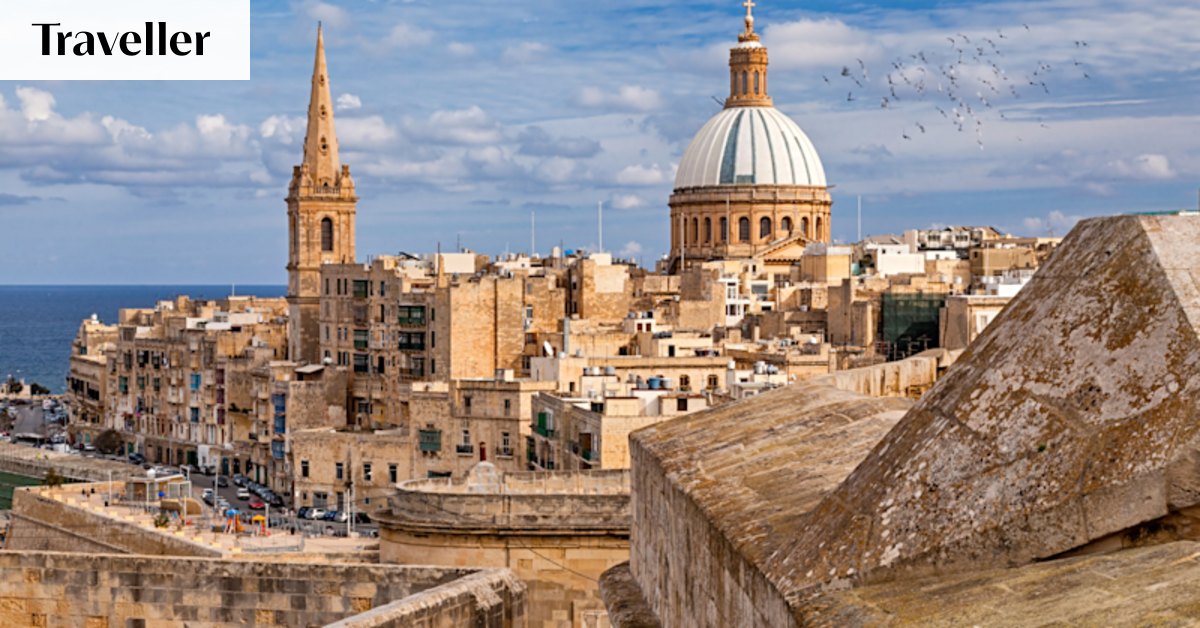
Enjoy a city break? In the beautiful baroque capital, Valletta, you can visit mighty monuments such as the gloriously over-the-top St John’s Co-Cathedral, or go exploring down the narrow, sloping city streets. Prefer some downtime on the beach? Malta has plenty of those, all washed by clear Mediterranean waters.
In fact, it’s a simpler task to narrow down the things that Malta isn’t known for. Top of that list would be food. Malta never laid claim to being a great dining destination, but that is now changing. The food scene has been transformed in the past few years, and there is now plenty to enjoy for food lovers who know where to look.
When I first came here 20 years ago, Malta’s most famous culinary contribution to the world was the flaky, diamond-shaped pastizzi pastry. These days, other traditional favourites are stepping into the spotlight, even as a new generation of chefs takes Maltese cuisine to fresh heights.
“The refined and the rustic sit very comfortably together [in Malta],” says chef Jonathan Brincat, whose Michelin-starred restaurant, Noni, is one of Valletta’s most memorable dining experiences.
Sign up for the Traveller Deals newsletter
Get exclusive travel deals delivered straight to your inbox. Sign up now.
“High-end restaurants can show you how far Maltese cuisine has evolved, how traditional flavours can be reimagined with new techniques. But the roots of our food live just as strongly in the simple things, like a good pastizz eaten by hand, a fenkata [garlic- and herb-studded rabbit stew] shared with friends.”
Visitors who book a degustation dinner at Noni – housed in a former bakery in Valletta – can expect a full-flight dining experience where elegantly plated morsels packed with delicate flavours may include anything from amberjack cured in seaweed to suckling pig teamed with white onion, persimmon and a sauce of roasted bones. Each dish on the menu relates to a Maltese tradition.
Take Brincat’s version of aljotta, or fish stew. As the son of a fisherman, the dish is close to his heart. “It was always the first thing my mother prepared when my father came home with the bycatch,” he says.
Brincat has taken the ingredients his mother used – lemon, mint and rice – to create an aromatic sauce that elevates a gently cooked piece of wreckfish.
“It carries the same soul as the dish from my childhood, but with a cleaner, more focused expression,” he says.
Noni is popular with food-loving travellers, but locals also appreciate seeing traditional flavours on a menu. Over on the smaller neighbouring island of Gozo, George Larry Zammit, chef-owner of the popular Maldonado restaurant, weaves both innovation and nostalgia through his seasonally updated menu.
“Our eating habits have changed over the years, but people remember the smell and the taste of their grandmother’s food,” Zammit says. His menu always includes a couple of local favourites such as balbuljata: scrambled eggs made with an Italian-style sofrito blending tomatoes, capsicum, onion and garlic.
Malta’s food, like its architecture, reflects its turbulent history; this island nation has been governed by everyone from Romans to Arabs, from the Normans to the British, all of whom left a culinary legacy.
Trying to get your tongue around the names of some of the dishes can be tricky for English speakers, as the Maltese language blends Arabic with Sicilian influences. One easy rule: if you encounter a dish you don’t know on a menu, ask – it’s probably a local favourite.
That strategy was how I got to try my first ftira, a moreish snack of a bread roll stuffed with tuna, tomatoes, capers, olives and onions.
“Everyone loves the flavour,” says Charles Bugeja, who hosts cooking classes specialising in dishes such as ftira and balbuljata at his Ta’ Xmun olive farm, which is halfway between the cities of Mdina and Valletta. “You can eat it for breakfast, you can eat it for lunch – it works any time.”
THE DETAILS
FLY
Airlines that offer connections from Australia include Emirates, Qatar Airways, Etihad Airways and Turkish Airlines. You can also fly to Malta from European hubs.
STAY
With a prime location just outside the Valletta city gates, the Phoenicia blends a rich history with contemporary cool and outstanding service, from €350 ($595). See phoeniciamalta.com
Built with local limestone, Gozo’s elegant Kempinski Hotel San Lawrenz offers a free shuttle to the island’s capital, Victoria, and the popular Ramla Beach, from €160 ($270). See kempinski.com
EAT
Michelin-starred Noni serves up tasting menus in an intimate, barrel-vaulted cellar in Valletta. See noni.com.mt
Maldonado Bistro on Gozo offers cooking classes as well as contemporary takes on Mediterranean classics. See maldonado.com.mt
Ta’ Xmun Olive Grove has cooking classes and olive oil tastings in a rural setting. See facebook.com
MORE
visitmalta.com
The writer was a guest of Visit Malta.
 Ute Junker is a freelance writer and editor who has been covering travel for more than 20 years.
Traveller Guides
From our partners