Book publishers feared shared universes until Marvel showed success –

Brandon Sanderson on why the industry shifted its thinking
A billion-dollar blueprint changes publishing perspectives
February 3, 2026: Brandon Sanderson says that for decades, book publishers were cautious about creating shared fictional universes — a model where multiple stories, characters, and authors intersect within the same world. That caution started to break down after the extraordinary success of the Marvel Cinematic Universe (MCU), which proved that interconnected storytelling could generate massive engagement and sustained audience interest.
Industry recalibration.
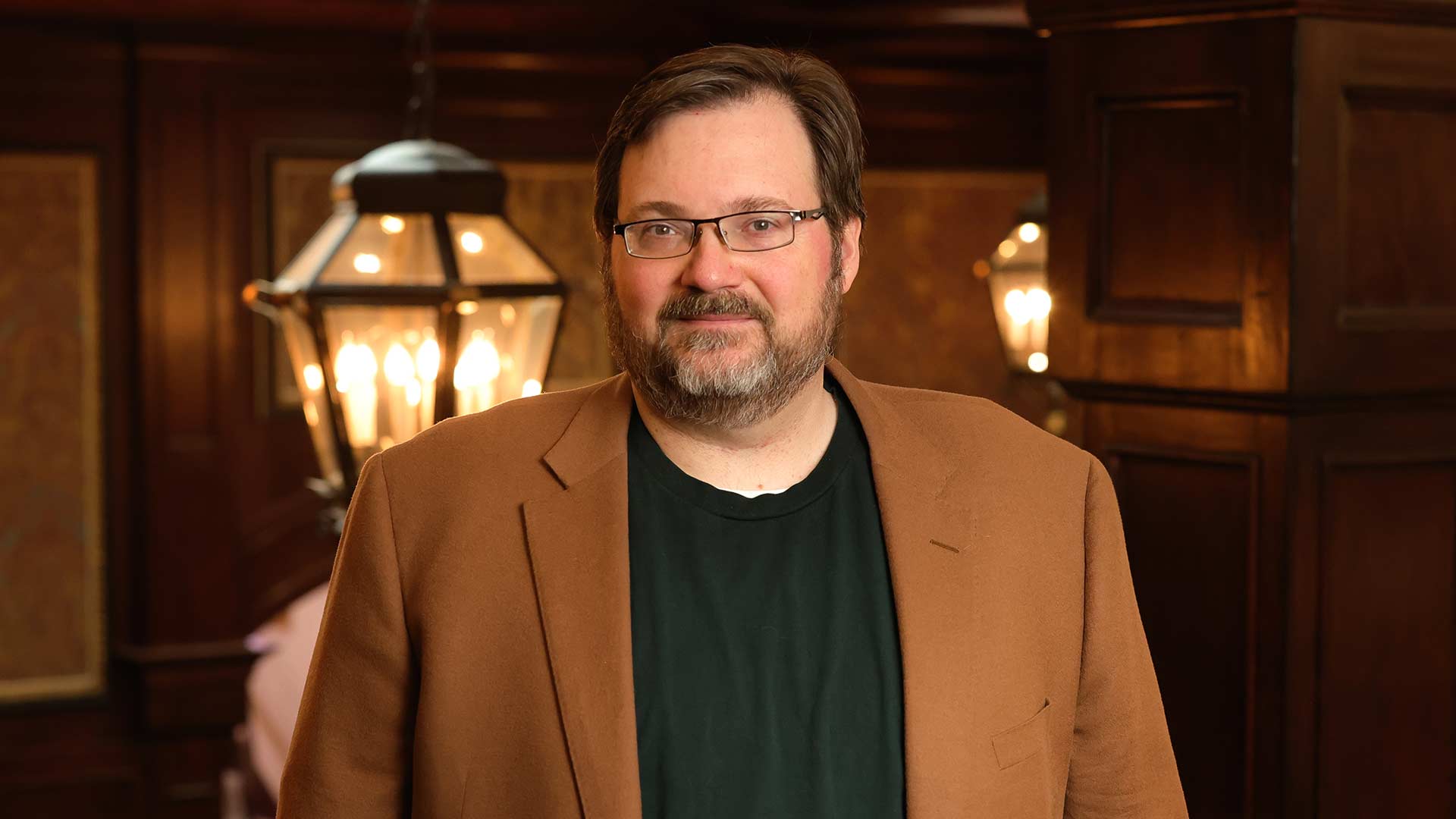
Image Credit: Octavia Escamilla
From single titles to sprawling sagas
Sanderson explained that traditional publishing focused on standalone books or series tied to a single author’s voice and vision. The idea of multiple writers contributing to one evolving universe felt risky, both creatively and commercially. But when the MCU demonstrated long-term fan loyalty and financial performance, publishers began to rethink their approach to worldbuilding and franchise expansion.
Market influence.

Image Credit: Getty
Lessons taken from Marvel’s playbook
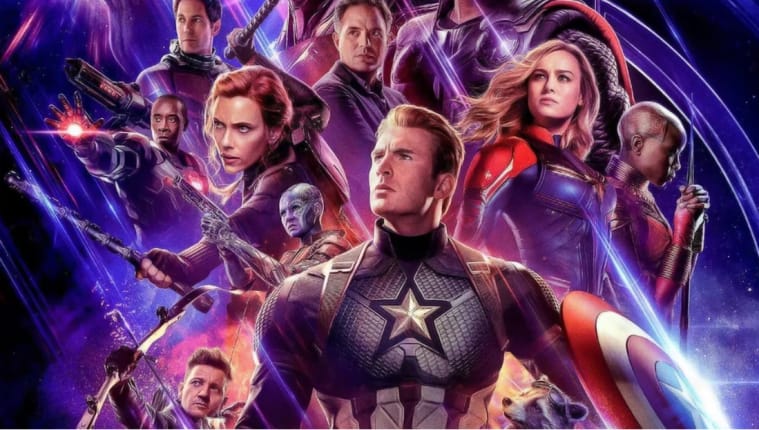
The MCU’s success — from Iron Man to Avengers: Endgame — showed that audiences embraced continuation, crossover events, and recurring characters across years of storytelling. Sanderson said this pattern encouraged publishers to consider shared worlds such as Brandon Sanderson’s Cosmere, Star Wars expanded fiction, and other collaborative projects where multiple narratives strengthen a single ecosystem.
Proof of concept.

Image Credit: Marvel Studios
Writers and creative collaboration
Sanderson also noted that shared universes demand a new kind of collaboration among authors, editors, and rights holders. Where once an author guarded their creation in isolation, today many are open to expansive frameworks that let other storytellers build alongside them, provided the core brand stays true to its identity.
Creative evolution.

Image Credit: Marvel Studios
Final thoughts
The Marvel Cinematic Universe didn’t just reshape movies — it reshaped how the book world thinks about imagination, investment, and long-term storytelling across mediums.
Universe mindset.
FAQs
Q1: What did Brandon Sanderson say about shared universes?
He said book publishers were once hesitant to build shared universes until seeing how successful the Marvel Cinematic Universe became.
Q2: Why were publishers originally afraid of shared worlds?
They worried shared universes could dilute creative control and pose commercial risks.
Q3: How did the MCU change that view?
The MCU demonstrated that interconnected storytelling can sustain audience interest and financial success over many years.
Q4: What book universes reflect this influence?
Examples include Sanderson’s own Cosmere framework and authorized extensions in the Star Wars publishing world.
Q5: Does shared-universe publishing demand different collaboration?
Yes — authors, editors, and rights holders must work together to preserve consistency while expanding the world.