Australian becomes Spanish citizen in honour of father Michael Economides who fought against Franco


In 1936, when Michael Economides signed up to fight against Francisco Franco’s fascists in the Spanish Civil War, he accepted he might die for the cause.
“He would say, ‘I knew that my chances of coming back were very slim, and I that probably wasn’t going to survive’,” said his son, Kim Economides. “But he felt that it was important for him to make a stand.”
Kim said his dad – who was born in Cyprus, migrated to England in 1929 and joined the communist party – had a keen sense of justice. “He was a very moral person.”
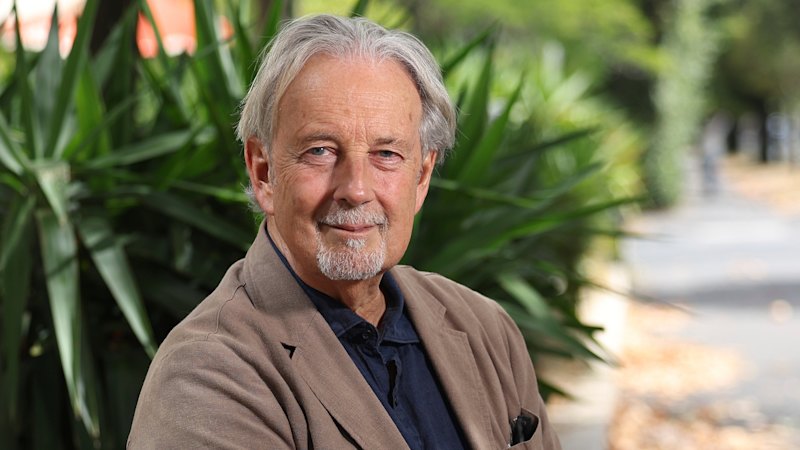
On Monday, at the Spanish consulate in Melbourne’s St Kilda Road, 71-year-old Kim was confirmed as a Spanish citizen, signing a statement pledging allegiance to their king, constitution and laws, as a way of honouring Michael’s memory.
The citizenship is available through Spain’s Democratic Memory Law, which was introduced in late 2022 and allows the descendants of those who fought in the International Brigades against Franco to apply.
Kim believes he is the first Australian to be granted Spanish citizenship under the law, and was among the first 170 descendants from around the world listed in a royal decree issued last November. His children, Zoe and Alex, are also applying.
Though Franco won the civil war in 1939 and ruled Spain until his death in 1975, Kim said his father always believed he and his comrades made a difference.
“They would argue that they contributed to the ultimate defeat of fascism in the Second World War. My father used to say that Spain was the first battle of World War II,” Kim said.
Michael was ultimately shot twice during his two years of service in Spain – in the leg and in the lung. While the shot to his leg went through the limb and didn’t hit bone, the chest wound caused breathing trouble later in life.
But Michael, who died aged 86 in 1996, had no regrets, Kim said.
A retired law professor from Adelaide, Kim already has EU citizenship via his Cypriot heritage, but said the Spanish citizenship was “a way of honouring the memory of not only my father, but others who went to Spain”.
“And it’s a recognition by the current Spanish government of the values that the International Brigades fought for, which, I think, are incredibly relevant today,” he said.
“Values like defence of democracy, standing up against fascism, and against totalitarianism. I think there are lots of signs of those dangers recurring today.”
Melbourne historian Jim Claven welcomed the citizenship offer, saying 72 people are known to have left Australia between 1936 and 1939 to fight or act in other roles such as nurses and drivers in support of the Spanish Republic. Among those, 16 people died.
Claven said it was “an amazing story” that thousands of volunteers made their own way to Spain, often defying policies not to intervene in the war held by their own governments, such as Australia and the UK.
Start the day with a summary of the day’s most important and interesting stories, analysis and insights. Sign up for our Morning Edition newsletter.
From our partners