Sydney protest ban partially lifted, paving way for January 26 march

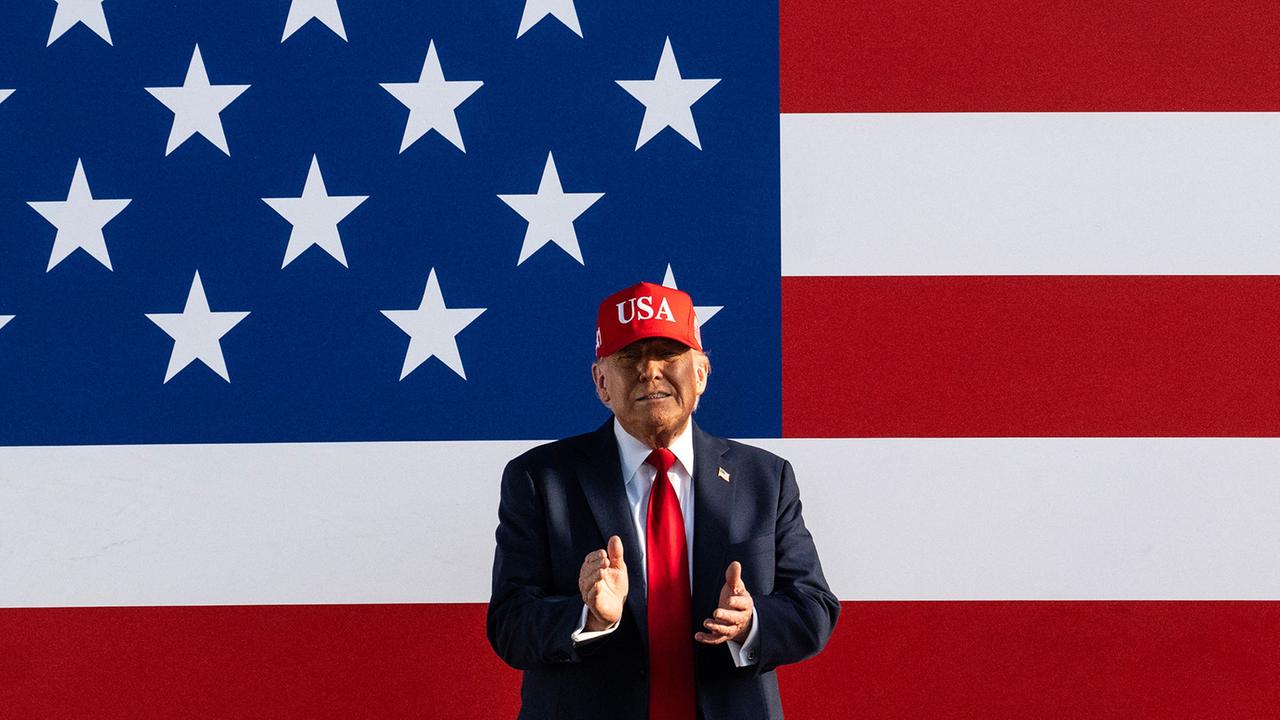
A man wearing a “Make Australia Safe Again” cap, replicating the stylised merchandise made popular by US President Donald Trump, was arrested about 5.30pm for breaching the peace. The man brandished a cardboard sign that read “Blame Hamas”, and was jeered by some protesters as he was led from Town Hall by several police officers, before being released without charge.
Three other people were spoken to for similar breach of the peace incidents, and left the scene without any further action.
One protester was pictured wearing a T-shirt that bore the slogan “globalise the intifida” – a phrase NSW Premier Chris Minns wants to outlaw.
The prospect of banning such hateful slogans will be examined by a NSW parliamentary inquiry this month, ahead of new legislation being tabled in February.
Earlier this month, a 53-year-old woman was arrested after wearing a shirt that government sources said read “globalise the intifada” at a Town Hall demonstration staged following the US capture of ousted Venezuelan President Nicolas Maduro.

Supporters of the Venezuelan opposition celebrate in Sydney on Sunday following the fall of President Nicolas Maduro on January 4.Credit: AAPIMAGE
A coalition of activists, including the Palestine Activist Group and Jews Against the Occupation, has launched a constitutional challenge against the legislation restricting public assemblies.
Constitutional law expert Anne Twomey said the Minns government made “a big mistake” in how the laws were portrayed, finding it was “trying to have their cake and eat it too”.
“If they had just gone out and banned protests, undoubtedly it would have been unconstitutional … In practice, people have been deterred from protesting because they have been told things that are not actually true,” Twomey said.
Elizabeth Ann Jarrett, a member of the First Nations-led political organising group The Blak Caucus, has sued the state over the laws.
A short direction hearing on January 8 set down a timetable, with Justice Julia Lonergan fixing another hearing on January 29.
It will consider whether the case goes directly to the Court of Appeal, under the assumption any decision will be subsequently appealed anyway.
It also has allowed time for other Australian states and territories to weigh in on any arising constitutional issues.
Twomey said the laws passed in December were more likely to survive the legal challenge than legislation that actually banned protests.
“There is still this problem that it’s a very unclear connection between what you’re actually doing, and what your legitimate purpose is and how you’re achieving that,” she said.
“It’s very messy.”