Meet the woman flagged by Albanese government to lead antisemitism royal commission

Loading
Her time at the Redfern Legal Centre was spent “representing the poor, campaigning for prison reform, marching against injustice while remaining, somehow, the most respectable demonstrator in the crowd,” he said.
A University of Wollongong profile of Bell said she represented the dozens of people arrested at the first Sydney Gay and Lesbian Mardi Gras in 1978 and prepared a video for the following year’s march advising people how to avoid arrest.
The daughter of a navy captain, Bell grew up in part on the Garden Island naval base in Sydney. John Bell told The Australian that as a child she was “a bit impetuous and very much of an inquiring mind, always”.
Bell became the fourth woman to be appointed to the High Court in 2009, and the court’s 48th judge.
She later quipped that entering the legal profession at a time when the bench lacked female representation “had the capacity to make women advocates feel somewhat exotic, even if they weren’t rumoured to be go-go dancers”.
Her reputation as having a strong sense of social justice made her an appropriate replacement to the High Court for Justice Michael Kirby, who was known for his interest in human rights, professor George Williams of the University of NSW said at the time. She was “one of the most experienced and well-regarded criminal lawyers,” he said.
Bell served on the High Court for 12 years, and she is no stranger to royal commissions, government inquiries, or presiding over the case of a religiously motivated attack.
Bell assisted as counsel to the Wood Royal Commission into NSW police corruption between 1994 and 1997, and in 2022 led the inquiry into former prime minister Scott Morrison’s scandalous self-appointment to several ministries, after which she said his actions were “corrosive of trust in government”.

Virginia Bell addressing an abortion rights rally in 1994, before she became a judge. Credit: Barry Newberry/Fairfax Media
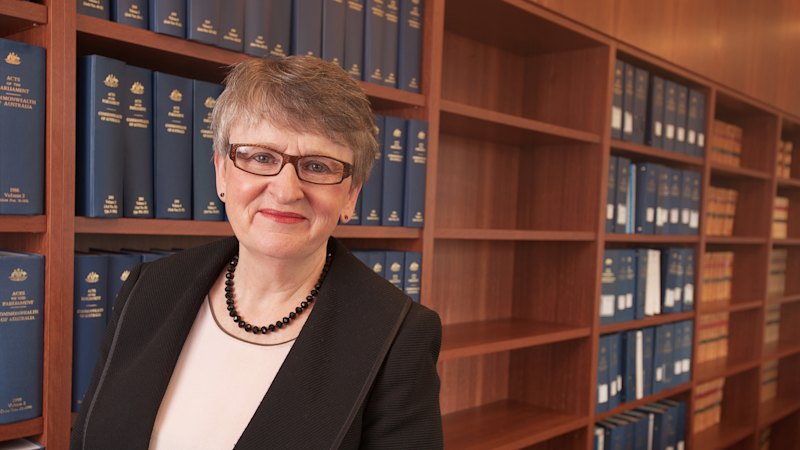
Prime Minister Anthony Albanese said there was “no one of the stature of Virginia Bell, a former high court judge, a former head or senior person in the New South Wales Supreme Court, someone with a background in the criminal law, someone who is widely respected right across the board”.
In 2014, Bell was on the bench when the High Court rejected an appeal made by two men who planned to shoot as many Australian soldiers as possible on a Sydney army base because they believed Islam was under attack from the West.

Justice Virginia Bell at the official farewell ceremony when she left the NSW Court of Appeal for the High Court. Credit: Lindsay Moller
The pair had been convicted in the Victorian Supreme Court of conspiring to commit a terrorist attack, SBS reported at the time.
Bell and then chief justice Robert French, who has publicly called for a royal commission following the Bondi killings, upheld the decision, despite lawyers appealing it should have been open to the jury to find that one of the men had only been reckless when he asked a sheikh whether the planned attack would be in line with Islamic teaching.
Bell was part of a High Court ruling, Brown v Tasmania, which found Tasmanian laws restricting protest were invalid because they violated the implied freedom of political communication in the Australian Constitution.
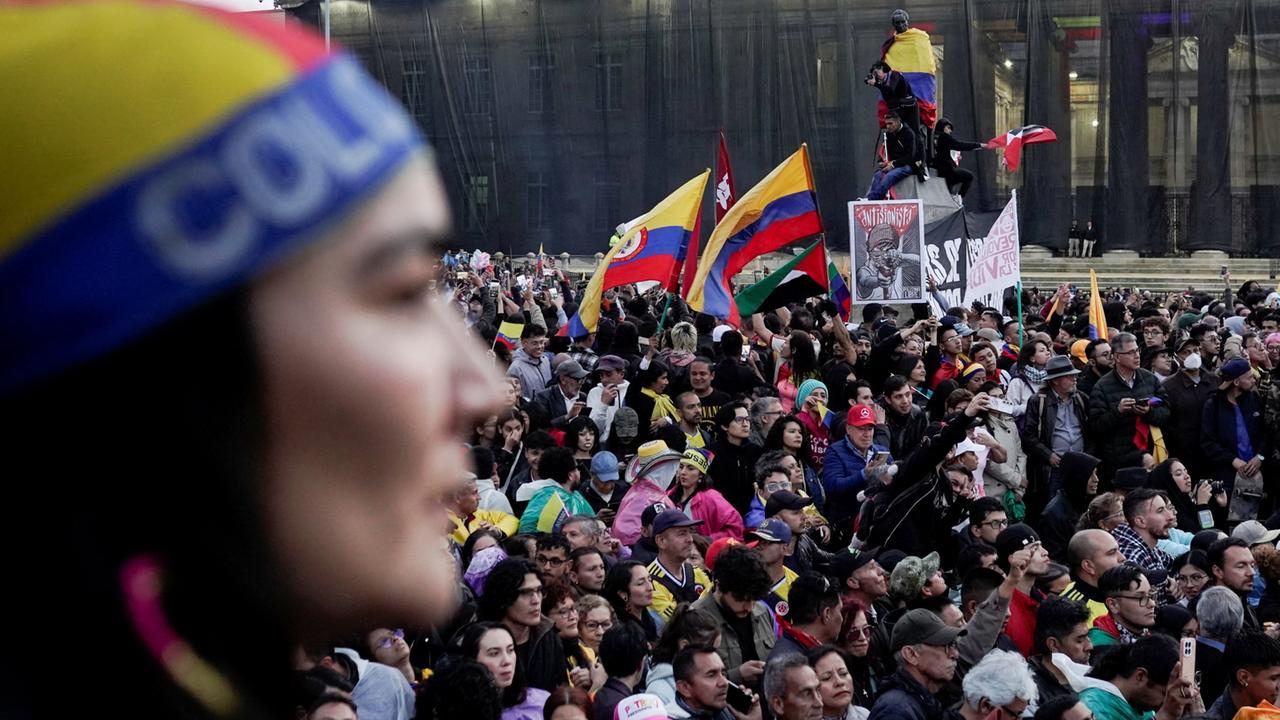
That ruling was directly cited as part of the NSW Supreme Court’s decision to overturn the Minns government’s ban on pro-Palestine march across the Sydney Harbour Bridge last year.
Bell was one of three High Court justices, along with former chief justice Susan Kiefel and Patrick Keane, who found that the implied freedom of political communication “protects the free expression of political opinion, including peaceful protest, which is indispensable to the exercise of political sovereignty by the people of the Commonwealth”.
Cut through the noise of federal politics with news, views and expert analysis. Subscribers can sign up to our weekly Inside Politics newsletter.