Heatwave to kick off as heat threatens hospitals

As much of the country swelters – including Canberra, which is expected to suffer a triple-run of 38-degree days – newly released research has warned extreme heat drives more people into the emergency room.
One in 15 emergency department visits were linked to extreme weather between 2000 and 2021 in the ACT, the analysis published in The Australian and New Zealand Journal of Public Health on Thursday found.
“When daily maximum temperature is more than 30 degrees, we can see there’s significant increase in these hospital emergency department visits,” the study’s lead author Dr Michael Tong said. About 2.5 per cent of all visits in the ACT were linked to heat, and 4 per cent for extreme cold.

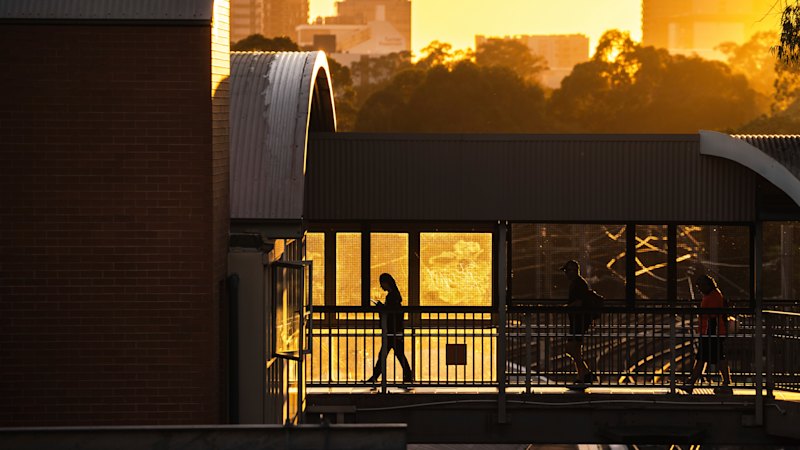
Emergency department presentations increase during heatwaves.Credit: Kate Geraghty
The rates of heat-related emergency department visits are even higher in Sydney and Perth at between 5 and 10 per cent, Tong, from the Australian National University, said.
Heatwaves can exacerbate heart stress, kidney disease and mental health conditions.
NSW Health Minister Ryan Park warned of heat-related illness on Wednesday, urging Sydneysiders to avoid the heat of the day.
Ambulances and hospitals will be stocked with water and roster additional staff to deal with an expected surge in medical treatment, Park said.
Along with inflaming underlying health issues, extreme heat also inflicts 78 per cent of direct injuries requiring hospitalisation relating to weather events, according to government data. Injuries can include acute dehydration and severe sunburn.
All age groups are at risk, Tong said, but “young people under 20 are significantly more likely to end up in hospital emergency department on hot days,” because smaller bodies are more vulnerable to extreme temperatures and children usually spend more time outside.
Tong urged people of all ages to stay indoors during the heatwave and be aware that a scorching day can have a lagged health effect in the two or three days after exposure to extreme heat.
Heat-related healthcare costs just in Sydney could surpass half a billion dollars by 2050 as climate change drives hotter temperatures and more days above 30 degrees, Tong’s previous research warned.
Start the day with a summary of the day’s most important and interesting stories, analysis and insights. Sign up for our Morning Edition newsletter.