The age-old question raised by horrific Bondi massacre

The horrific tragedy at Bondi two weeks ago raises again one of the most significant challenges non-believers level at the three monotheistic faiths – the so-called question of theodicy.
That is, if God is all-powerful and all-good, how can he allow suffering, not only in large-scale events, but in every individual life?

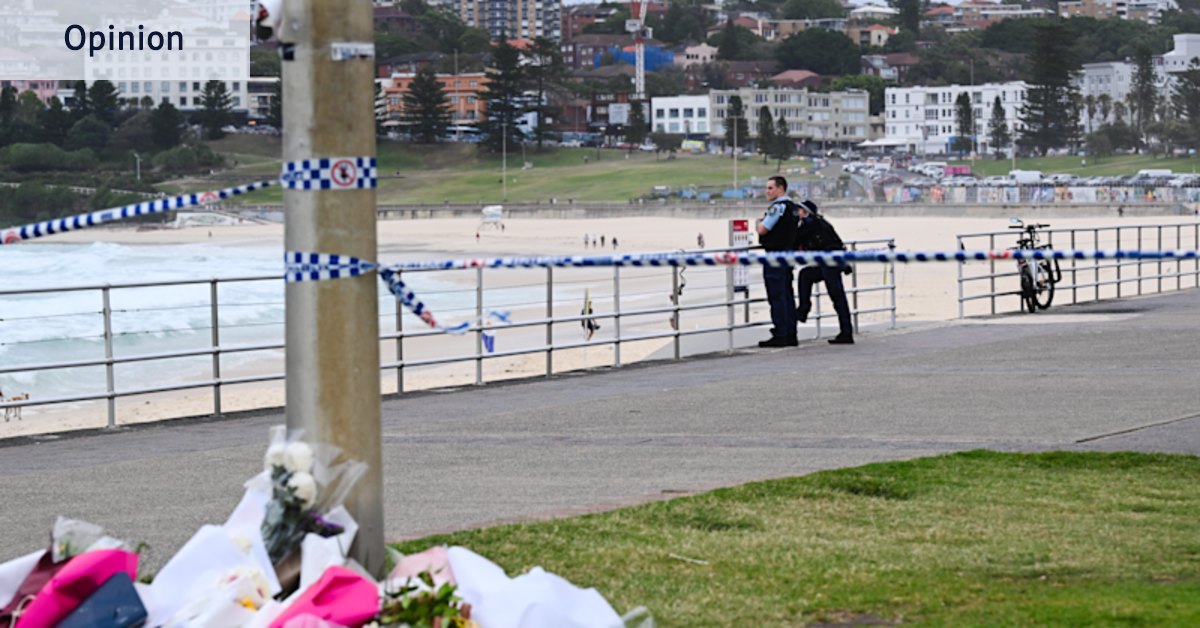
The Bondi massacre has raised theological questions about evil – and elicited the finest human characteristics in the actions of those who responded. Credit: Janie Barrett
Fact is, there is no all-encompassing answer to this question, no simple truth. Christians offer many defences, but they all finally fall short, for the simple reason that God is infinite and we are not.
We cannot comprehend all his purposes – as the prophet Isaiah puts it: “For as the heavens are higher than the earth, so are my ways higher than your ways and my thoughts than your thoughts.”
Loading
One obvious point is that in giving humans free will, God has allowed the certainty that we will sometimes be cruel, callous, exploitative and the whole catalogue of human failings. These were evident in the devastating massacre at Bondi.
I understand and share the revulsion at the rising tide of antisemitism – for the protesters who have been calling to “globalise the intifada”, Bondi is exactly what it looks like. Also evident were some of the finest human traits of courage and compassion, as seen in people’s responses.
Suffering is not new; it is as old as humanity, and as constant as the sun. The people of God ask about their suffering many times in the Bible, particularly in the Old Testament book of Job. And Psalm 42 says: “My tears have been my food day and night, while people say to me all day long, ‘Where is your God?’”
Indeed, lament is a prominent theme throughout the Bible, both the Hebrew Scriptures (Old Testament) and the New Testament. The people cry out to God about their anguish and distress because of who he is, and what he has promised. But their protests are also an act of faith, an expression of trust in God.