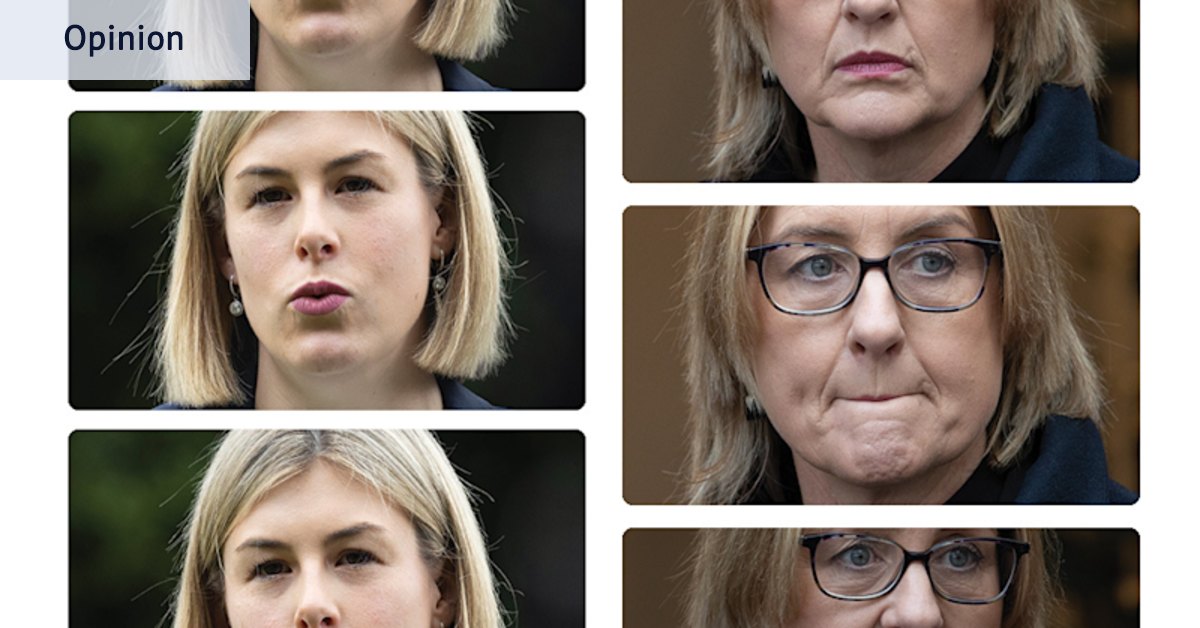
“Anywhere But Melbourne” hints at a deeper malaise.

The latest Bureau of Statistics figures show the Victorian economy grew just 1.1 per cent last financial year, which is about half the rate treasury officials assumed at the time of the May budget. This isn’t flash but it is better than NSW, which at 0.9 per cent recorded the most anaemic economic growth of any state or territory.
The reason for the difference is that, in the year leading up to March 2025, Victoria again had the largest population growth, when measured in raw terms, of any state or territory.
You can argue about whether this is a good or bad thing. Economists like Saul Eslake rightly point out that when Victoria’s population is growing faster than its economy, as has been the case since 2004, it means we are becoming poorer on average, not richer. But population growth, if taken as a vital sign of any city, indicates Melbourne remains an appealing place to work, study, live and raise a family.
ABM is a worrying term nonetheless. As the CEDA trustee noted in their discussion with Wilson, once this kind of sentiment creeps into boardroom and investment committee conversations, it can become self-fulfilling. It saps confidence and erodes opportunity. You only need to follow the money to realise this is already happening.
The Property Council of Australia this month published a Mandala Partners report it commissioned showing offshore investment in Victorian property had halved over the past three years. That is $5 billion a year less sunk into big housing developments, shopping centres and industrial parks than when Victoria was first emerging from the pandemic.
The report blamed the investment crunch on the cascading effect of land tax surcharges on foreign buyers of residential and commercial property, as well as other property taxes and levies that were introduced and increased by Labor since it came to power more than 10 years ago.
Some of these measures, such as the early decision of the Andrews government to impose a 3 per cent foreign purchaser duty on residential property, were done for sound policy reasons. There were too many property investors, particularly from China, parking their money in off-the-plan developments and neither living in nor renting out the completed flats.
Loading
There is also a point – for the sake of argument let’s make it the 2019 budget, which ramped up the foreign purchaser duty to 8 per cent, and the 2020 decision to jack up the absentee owner surcharge – where once sound policy becomes a gratuitous money grab by a state government running out of things to tax.
According to analysis done by property advisory firm Charter Keck Cramer, 46 cents from every dollar raised in Victoria through state taxes comes from the property industry. The risk for the Allan government, which to its credit has not added to this burden and has taken baby steps to ease it, is these taxes risk draining the life from an industry it needs to flourish for the sake of its own bottom line and to address the housing shortage.
There is, ultimately, a bigger problem here that is more difficult to measure.
ABM hints at a deeper malaise, a sense that Melbourne, a city rated for seven years straight as the world’s most liveable, has lost its mojo. It is a glib but troubling acronym that suggests a crisis of confidence and perhaps, purpose, as we reach the midway point of a difficult decade and one year to go until the next state election.
Chip Le Grand is state political editor.
The Opinion newsletter is a weekly wrap of views that will challenge, champion and inform your own. Sign up here.