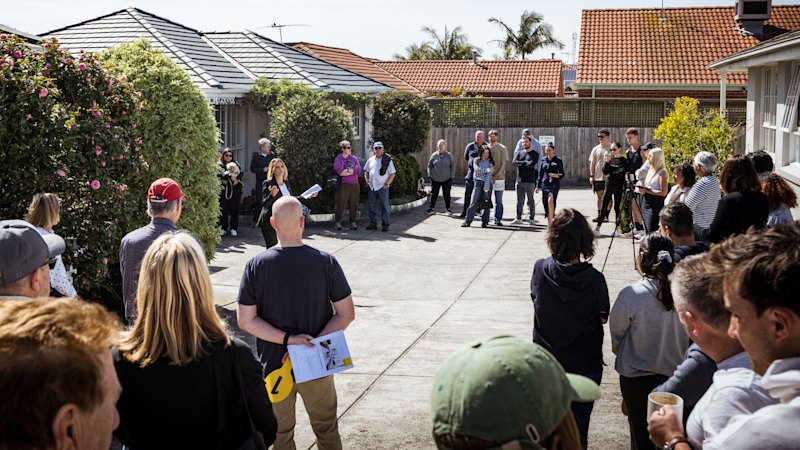
Discounts shrink to lowest since 2021 as market recovers

Owen said the data pointed to Melbourne continuing to have an “affordability advantage” into 2026, while other markets “may be stalled by a hold in the cash rate”.
Loading
The Melbourne market, which, according to Cotality data, is 1.5 per cent under its record highs with a median dwelling value of $819,000 (about $12,000 down from its peak), was poised to be fairly resilient in 2026 in what would be a challenging market in other cities, Owen added.
Melbourne is tipped to hit fresh highs in 2026, according to Domain’s Forecast Report 2026, which predicts a 6 per cent rise in median house prices to $1,170,168.
The figures came as the Victorian government this week proposed laws to make real estate agents publish a seller’s reserve price at least seven days before auction day or fixed-date sale.
Kristy Caskey, property advocate at The Property Bureau, said lower interest rates and the Australian Government 5% Deposit Scheme had made it easier for people to borrow “the amount you couldn’t get your hands on a year ago”.
“It’s a lot harder to buy at the moment – buyers are more aggressive and wanting to make a sale even before an auction,” she said. Good quality stock, especially a freestanding house under a $1 million, was especially sought after.
“The pretty properties get the dollars,” Caskey said, adding that interstate investors, mainly from Sydney, were also looking to get into the Melbourne market and cash in on its relative affordability.
Nerida Conisbee, chief economist at Ray White, agreed increased buyer activity was making it easier for vendors to get the price they wanted.
“Melbourne is strengthening … we’re finally seeing some pretty good price growth, which is a lot to do with the fact we’ve had three interest rate cuts, and Melbourne is looking relatively affordable to the rest of the country,” she said.
A surge in buyers is also promoting people to put their homes up for sale. “Melbourne is quite different to the rest of the country in that we are seeing a lift in the number of properties for sale,” Conisbee said.

Cool, unique properties such as converted warehouses are selling quicker than homes that require more work. Credit: Domain
But Joseph Luppino, director at Village Real Estate in Melbourne’s inner west, believes the lower discounting rate is a reflection of vendors matching their expectations to a very different market to four years ago.
“November 2021 was the tipping point of the market, when Melbourne went from a COVID boom to seeing prices decline,” he said.
Thirteen consecutive interest rate rises from May 2022, combined with a cost of living crisis, forced sellers to discount as buyers struggled to get finances for property, he said.
“We went from people buying properties that were just being seen from a video [during COVID] … to buyers today who want to buy,” Luppino said. “Our buyer pool … is picky about what they buy – they only buy if they love the property, no compromises.”
Like Caskey, Luppino said “cool” properties – such as converted warehouses – were going gangbusters, while less turnkey houses in need of work were languishing on the market.
“Property ownership today is expensive – it wasn’t as expensive five years ago,” Luppino said.