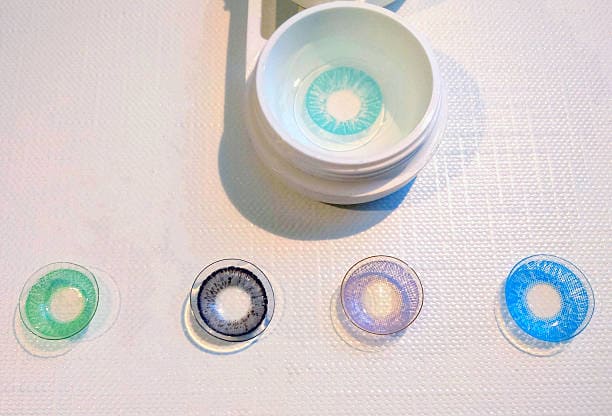

Colored contact lenses have gone from niche novelty to mainstream beauty accessory. You see them everywhere now, from social media and fashion editorials to everyday street style. Changing your eye color, even temporarily, can feel like an easy way to refresh your look or experiment with a new version of yourself.
That said, colored contacts are not something to jump into blindly. While they can be fun and expressive, they also sit directly on your eyes, which means a little knowledge goes a long way. Before trying them for the first time, it’s worth understanding how they work, what they require, and how to use them safely.
Here are nine practical things to know before you try colored contact lenses.
1. Colored Contact Lenses Aren’t Just Cosmetic
It’s easy to think of colored contacts as makeup for your eyes, but that’s not quite accurate.
Colored contact lenses are medical devices, even when you’re wearing them purely for appearance. They sit on the surface of your eye and interact with tear film, oxygen flow, and the natural movement of your eye throughout the day.
That’s why eye health always comes first. Poor-quality lenses or improper use can lead to irritation, infections, or more serious issues. Treating colored contacts with the same care as regular lenses is essential, no matter how subtle or bold the color may be.
2. You Still Need an Eye Exam
One of the biggest misconceptions about colored contacts is that you can skip the eye exam if you don’t need vision correction.
In reality, an eye exam is still important. Even non-prescription lenses need to fit your eyes properly. Everyone’s eyes are slightly different in size and shape, and lenses that don’t fit well can feel uncomfortable or cause damage over time.
An exam helps determine:
- The correct lens size and curvature
- Whether your eyes are suitable for contact lens wear
- How long you can safely wear lenses each day
Proper fitting improves comfort and significantly reduces risk.
3. There Are Different Types of Colored Contact Lenses
Not all colored lenses create the same effect. Understanding the difference helps you choose a look that matches your expectations.
Enhancing lenses are semi-transparent and designed to intensify your natural eye color. They work best if you already have light-colored eyes and want a subtle boost.
Opaque lenses are more pigmented and designed to completely change eye color. These are ideal if you have darker eyes or want a more dramatic transformation.
Choosing the right type depends on whether you want a natural enhancement or a bold, noticeable change.
4. Comfort Depends on Material and Fit
Comfort is not guaranteed just because a lens looks good.
Lens materials vary, and some allow more oxygen to reach the eye than others. Breathability and moisture retention play a major role in how lenses feel after several hours of wear.
Signs a lens may not be right for you include:
- Persistent dryness or irritation
- Redness that doesn’t fade
- A scratchy or heavy feeling
- Blurred vision that comes and goes
If lenses don’t feel right, that’s your cue to stop wearing them and speak to an eye care professional.
5. Not All Lenses Are Designed for All-Day Wear
Colored contact lenses come in different replacement schedules, and this affects how long you can wear them comfortably.
Daily lenses are designed to be worn once and discarded. They’re convenient, hygienic, and often a good choice for beginners or occasional wear.
Monthly lenses are reused over several weeks and require consistent cleaning and proper storage. While cost-effective, they demand more discipline.
No matter the type, every lens has recommended wear-time limits. Exceeding them increases the risk of dryness, irritation, and infection.
6. Hygiene Is Non-Negotiable
Good hygiene is the foundation of safe contact lens use.
This includes:
- Washing and drying hands before handling lenses
- Using fresh solution every time you store lenses
- Never sleeping in lenses unless approved by your eye care provider
- Avoiding water contact, including swimming or showering
One of the most common mistakes first-time wearers make is cutting corners with cleaning. Even small lapses can lead to eye problems that take weeks to resolve.
7. There Are Risks You Should Be Aware Of
Like all contact lenses, colored contacts come with potential risks if misused.
Possible issues include:
- Dry eyes and irritation
- Infections caused by bacteria or fungi
- Corneal scratches or inflammation
If you experience pain, persistent redness, discharge, or sudden vision changes, stop wearing the lenses immediately and seek professional help. Ignoring symptoms often makes problems worse, not better.
8. Choosing the Right Color for Your Look Matters
Picking a color isn’t just about what looks interesting online. Your natural eye color, skin tone, and overall style all influence how a lens looks in real life.
For a more natural effect:
- Choose shades close to your natural eye color
- Softer tones often blend better for daily wear
For bold or creative looks:
- High-contrast colors stand out more
- Dramatic shades can be great for events, photos, or fashion statements
Lighting also changes how lenses appear, so what looks subtle indoors may appear stronger in daylight.
9. Where You Buy Colored Contact Lenses Really Matters
Where you buy your lenses has a direct impact on comfort, safety, and how natural the color looks. Reputable retailers work with manufacturers that follow medical standards, use breathable materials, and design lenses with clear optical zones. Lower-quality sellers often focus on appearance alone, cutting corners on fit and eye safety.
When shopping for colored contact lenses, look for retailers that provide clear product details, prescription guidance, and lenses intended for regular contact lens wear, not novelty use. Trusted sources help ensure the lenses are designed to sit properly on the eye, feel comfortable during wear, and reduce the risk of irritation or infection.
Final Thoughts
Colored contact lenses can be a fun and confidence-boosting way to change your look, whether you’re aiming for something subtle or striking. But they deserve the same respect as any other contact lens.
With the right information, proper care, and quality products, you can enjoy colored contacts safely and comfortably. Style is important, but clear, healthy eyes matter more. When you balance both, experimenting with eye color becomes an experience you can enjoy with confidence.
Published by HOLR Magazine.


